
8 Top Causes of Roadside Breakdowns
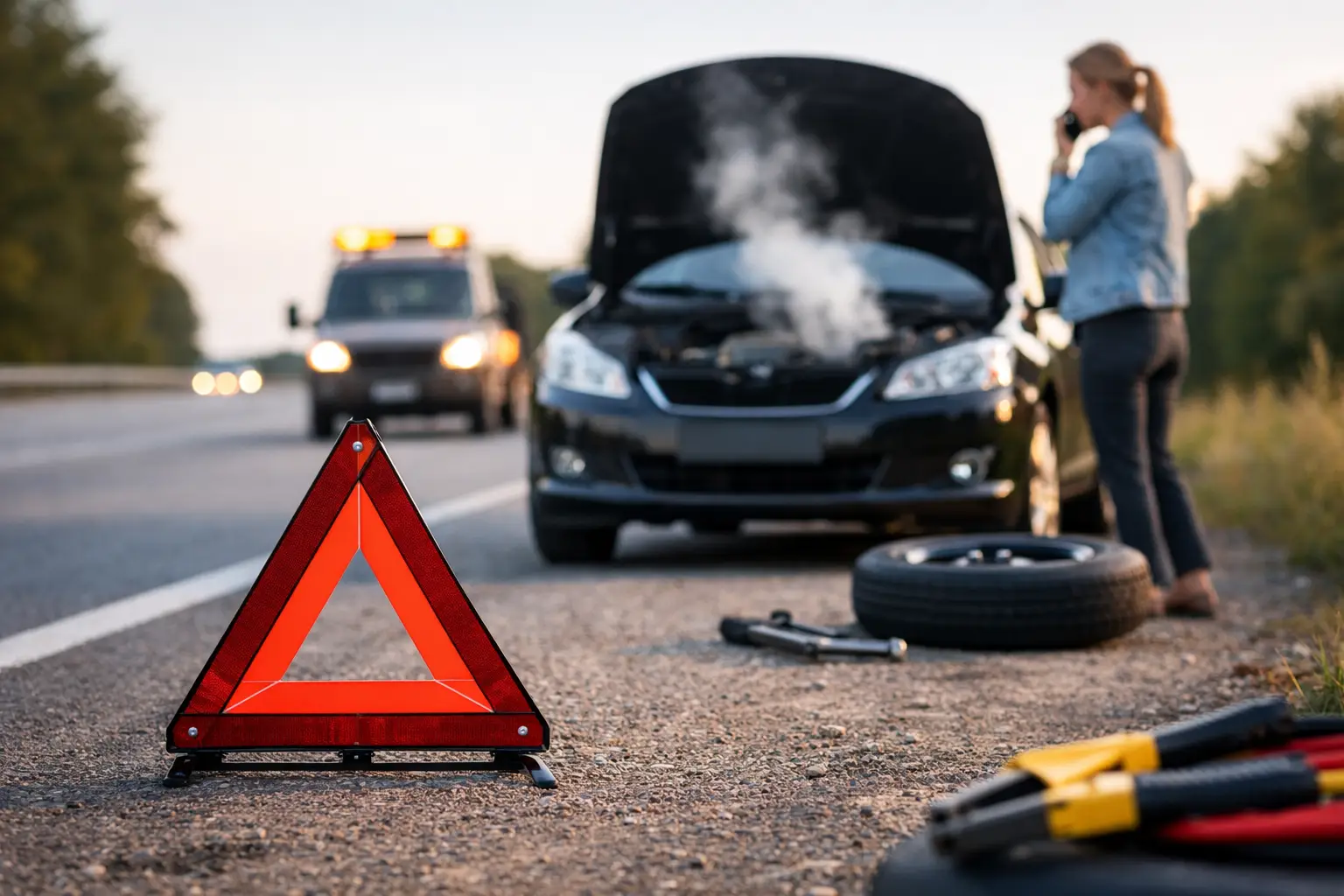
A car rarely quits at a convenient time. It happens on I-10 before work, in a grocery store parking lot with kids in the back seat, or late at night when traffic is thin and stress hits fast. The top causes of roadside breakdowns are usually not dramatic failures. Most start with small warning signs drivers miss, delay, or hope will go away.
If you know what tends to strand vehicles, you have a much better chance of avoiding the call for emergency help. And if your car does stop, you can react faster, stay safer, and make a better decision about whether you need a jump-start, tire service, or a tow.
The top causes of roadside breakdowns drivers see most
Breakdowns usually come down to a handful of common issues. Some are tied to maintenance. Others come from wear, weather, road hazards, or simple bad timing. Around Kenner and New Orleans, heat, stop-and-go traffic, heavy rain, and long daily driving can speed up wear on parts that already have limited life.
1. Dead or weak battery
A failing battery is one of the most common reasons a vehicle will not start. Sometimes the signs show up early - slow cranking, dim lights, electrical glitches, or needing more than one turn of the key or push of the button. Other times, the battery seems fine until the day it is not.
Louisiana heat can be hard on batteries. Many drivers think cold weather is the main battery problem, but high temperatures can shorten battery life by speeding up internal damage. If your battery is more than a few years old, it is smart to have it tested before it leaves you stranded.
There is a trade-off here. Replacing a battery a little early can feel wasteful. Waiting too long can mean being stuck in a parking lot, driveway, or roadside shoulder when you need to be somewhere.
2. Flat tires and blowouts
Tire trouble is another one of the top causes of roadside breakdowns, and it happens for more than one reason. A nail or screw can cause a slow leak. Potholes, road debris, sidewall damage, and underinflation can turn into a sudden flat or blowout.
Many flats are preventable. Tires that are worn, cracked, or consistently low on air are at much greater risk. The problem is that most people do not look closely at their tires until one goes down.
Even when a spare is available, changing a tire on the shoulder is not always the safest move. Traffic speed, poor lighting, soft ground, or a bad location can make roadside tire service the better option.
3. Engine overheating
An overheating engine can go from warning sign to full shutdown quickly. It often starts with a temperature gauge climbing higher than normal, steam from under the hood, a coolant smell, or a warning light on the dash.
Common causes include low coolant, a leaking hose, a bad radiator, a failing water pump, or a thermostat problem. In hot weather and heavy traffic, the cooling system has to work harder, so small issues show up faster.
This is one problem drivers should not try to push through. Continuing to drive an overheating vehicle can turn a manageable repair into major engine damage. If the temperature spikes, pull over somewhere safe as soon as you can and shut the engine off.
4. Alternator or charging system failure
A lot of people assume a no-start problem is always the battery. Sometimes the real issue is the alternator or another part of the charging system. If the alternator fails, the battery may drain while you are driving, and the vehicle can lose power to lights, electronics, and ignition.
Warning signs can include dim headlights, flickering dashboard lights, electrical accessories acting strangely, or a battery warning light. In some cases, the vehicle will still run for a short time. In others, it can stop without much warning.
That is what makes charging system problems tricky. A jump-start may get the engine on for the moment, but if the alternator has failed, the fix is temporary at best. Often the safer choice is towing to a repair shop rather than risking another shutdown in traffic.
Breakdowns caused by neglected maintenance
Not every roadside failure comes out of nowhere. Some happen because a car has been giving warnings for weeks or months.
5. Low or dirty engine oil
Oil keeps the engine lubricated and helps control heat. If the oil level gets too low, or if oil changes have been delayed too long, the engine runs under much more stress. That can lead to overheating, poor performance, knocking, and in worst cases, severe engine damage.
Modern vehicles may give an oil pressure warning light, but waiting for that light is not a great strategy. By then, the problem may already be serious. Regular oil checks matter, especially for older vehicles or engines that burn oil between services.
6. Brake problems and seized components
Brake issues do not always cause a classic breakdown, but they can make a vehicle unsafe to continue driving. A seized caliper, damaged brake line, worn pads, or failing wheel bearing can create noise, pulling, vibration, or a burning smell. If ignored, the vehicle may need to stop immediately and be towed.
This is one of those situations where "it still moves" does not mean "it is safe." If braking feels different, the car pulls hard to one side, or you hear metal-on-metal grinding, getting off the road and arranging help is the smart move.
7. Starter failure
If you turn the key or press start and hear a click - or nothing at all - the starter may be the issue. Unlike a dead battery, a bad starter often gives more specific symptoms. You may have power to lights and electronics, but the engine still will not crank.
Starter problems can build slowly. Maybe the car only starts after a second try. Maybe it struggles more when hot. Those details matter. Drivers often blame the battery first, but if the battery tests fine, the starter should be checked.
8. Fuel-related mistakes and system issues
Running out of gas happens more often than people admit. A faulty fuel gauge, long commute, or one more errand before filling up can leave a vehicle dead on the roadside.
Fuel system problems can look similar. A failing fuel pump, clogged filter, or injector issue can cause sputtering, hard starts, stalling, or loss of power. Sometimes the vehicle restarts after sitting for a few minutes, which can tempt a driver to keep going. That is risky if the car stalls again in a worse location.
How to lower your chances of a roadside breakdown
You do not need to be a mechanic to catch the most common problems early. Paying attention to a few basics makes a big difference.
Check tire pressure regularly and look at tread wear, cracking, and visible damage. Replace batteries before they are well past their useful life. Keep up with oil changes and fluid checks. If the temperature gauge starts acting differently, do not ignore it. And if your lights dim, the car struggles to start, or warning lights stay on, get the vehicle checked before a short trip turns into a tow.
It also helps to keep your gas tank from running too low, especially if you drive long stretches, commute daily, or sit in heavy traffic with the AC running. Waiting for empty gives you less margin if traffic, weather, or a bad gauge works against you.
What to do when a breakdown happens
If your car breaks down, safety comes first. Move to the shoulder or another safe area if the vehicle can still roll. Turn on your hazard lights. Stay inside the vehicle if traffic is moving fast and it is safer to remain buckled in than to stand near the road.
Then assess the symptom without guessing too much. A flat tire, dead battery, lockout, or empty tank may call for roadside assistance. Smoke, overheating, accident damage, steering trouble, brake issues, or a vehicle that dies in traffic often call for a tow.
For drivers in this area, quick help matters. Waiting too long on a busy road, in summer heat, or after dark adds risk fast. That is why many local drivers call a licensed, insured operator who can dispatch the right truck and handle the vehicle safely. Zain Towing LLC is built for those moments - 24/7 response, trained operators, and secure transport when getting back on the road is not the safe option.
The good news is that most breakdowns leave clues before they leave you stranded. Pay attention to those small changes, act early, and if your vehicle does stop, get help before a minor problem turns into a bigger one.
Need help right now?
Zain Towing runs 24/7 in Kenner, New Orleans, Metairie, Harahan and Gretna. Call (504) 666-9099 or see our towing service, roadside assistance and New Orleans pages.