8 Top Signs You Need Towing Now
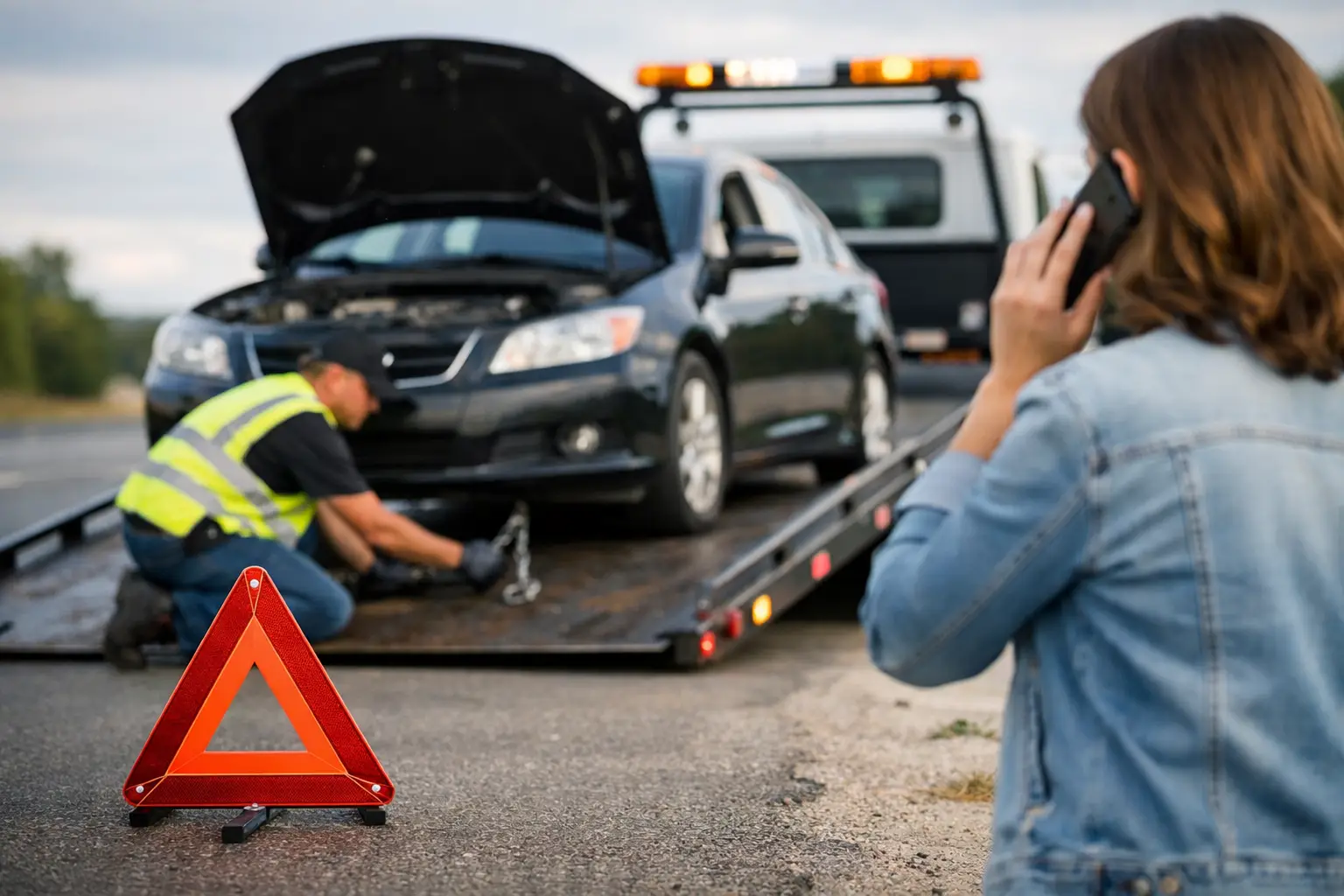
A stalled car on I-10 or a sudden breakdown on a Kenner side street usually gives you one question, not ten: can you keep driving, or is it time to stop and call for a tow? Knowing the top signs you need towing can save you from turning a small problem into major engine damage, a traffic hazard, or an unsafe roadside situation.
A lot of drivers wait too long because the vehicle still moves. That is the trap. A car that starts, rolls, or creeps forward is not always a car that should stay on the road. When warning signs show up, the safest move is often to stop driving and get professional help.
Top signs you need towing instead of pushing your luck
Some problems are obvious. Others are easy to ignore for another mile or two. The issue is that many mechanical failures get worse fast, especially in Louisiana heat, heavy traffic, and stop-and-go driving.
If any of the situations below sound familiar, towing is usually the smarter call.
Your engine overheats and the temperature keeps climbing
If steam is coming from under the hood or your temperature gauge is pinned high, shut the vehicle down as soon as it is safe. An overheating engine can mean low coolant, a failed water pump, radiator trouble, or a broken hose. In any case, continuing to drive can lead to warped components or complete engine failure.
Sometimes drivers think letting the engine cool for ten minutes is enough. It depends on the cause. If there is an active leak or a failed cooling system part, the problem will come right back. If the engine overheated once and you do not know why, towing is the low-risk option.
You hear grinding, banging, or metal-on-metal noises
A new noise is your vehicle trying to tell you something. Loud grinding from the brakes, clunking from underneath, or sharp knocking from the engine are not sounds to test on the highway.
Brake grinding may mean your pads are gone. A heavy clunk could point to suspension or drivetrain damage. Engine knocking can signal internal failure. In some cases, the car may still move, but each mile can increase repair costs and make the vehicle harder to control. If the noise is severe or sudden, stop driving and arrange a tow.
You have a flat tire and no safe roadside fix
Not every flat means you need towing. If you have a usable spare, the right tools, and a safe place well off the road, a tire change may be enough. But that is not every situation.
If you are on a narrow shoulder, in fast traffic, during bad weather, or missing the equipment to change the tire safely, do not force it. The same goes for blowouts that damaged the rim, multiple flat tires, or larger vehicles where roadside tire changes are harder and riskier. Safety comes first. If the setup is unsafe, towing is the right move.
Your car will not start and a jump-start does not solve it
A dead battery is common, and sometimes a jump gets you moving again. But if the vehicle still will not start, clicks repeatedly, loses power again right after a jump, or shows electrical issues across the dashboard, the problem may be bigger than the battery.
It could be the alternator, starter, wiring, ignition system, or another electrical fault. Driving with unstable electrical power is a gamble. Modern vehicles depend on electronics for engine control, charging, steering support, and safety systems. If the car will not restart reliably, towing prevents you from getting stranded a second time in a worse spot.
Signs you need towing after damage or fluid loss
Mechanical trouble is one reason to call. Visible damage and leaking fluids are another. These situations often look manageable at first, but they can become dangerous quickly.
You have been in an accident, even a minor one
After a collision, a vehicle is not automatically safe just because it still moves. Damage can affect steering, suspension, tires, alignment, braking, lights, or fluid lines. A bent wheel, rubbing fender, leaking radiator, or shifted frame component may not seem serious in the moment, but it can make the next few miles unpredictable.
If airbags deployed, if any fluid is leaking, if a wheel looks off-center, or if the car pulls hard in one direction, do not drive it. The same applies if a bumper or underbody part is dragging. A tow protects both you and the vehicle from further damage.
You see fluid leaking under the vehicle
Not every spot under a car is a crisis. A little water from the air conditioning is normal. Oil, coolant, transmission fluid, or brake fluid are different.
A dark oil puddle can mean lubrication loss. Green, orange, or pink fluid can signal coolant trouble. Reddish fluid may point to transmission issues. Brake fluid loss is especially serious because it affects stopping power. If you see active leaking or a growing puddle, driving can turn a repairable issue into a major breakdown. When in doubt, stop and get the vehicle towed.
Your transmission slips, jerks, or will not shift
Transmission problems are expensive enough without adding more damage. If the vehicle hesitates badly, revs without moving properly, slams into gear, or refuses to shift, do not keep testing it down the road.
Drivers sometimes try to nurse a failing transmission home. Sometimes they make it. Sometimes the vehicle loses drive in an intersection or overheats the transmission completely. If shifting is erratic or the vehicle struggles to engage gears, towing is usually cheaper than pressing on.
When it is not just a breakdown - it is a safety issue
Some of the top signs you need towing are less about damage to the vehicle and more about immediate road safety. If you cannot trust the car to respond the way it should, it should not stay in traffic.
Your steering or brakes feel wrong
If the steering suddenly gets stiff, loose, shaky, or unresponsive, that is not something to monitor for another exit. The same goes for brakes that feel soft, go to the floor, pulse violently, or take much longer to stop the vehicle.
These are control-system problems. Even if you can still move the car a short distance, you may not be able to avoid a hazard, stop in time, or hold your lane. Pull over safely and call for professional help.
Warning lights are flashing with poor performance
Dashboard lights matter most when they show up with symptoms. A flashing check engine light, battery light with fading electronics, oil pressure light, or brake warning light should never be brushed off when the vehicle is also shaking, losing power, overheating, or stalling.
A steady warning light may allow for careful diagnosis later. A flashing light paired with drivability issues usually means stop now. The exact cause can vary, but the risk of damage or sudden failure is much higher.
Your vehicle is stuck, disabled, or in an unsafe location
Sometimes the issue is not mechanical failure at all. You may be stuck in mud, a ditch, a flooded shoulder, a parking barrier, or a position where the vehicle cannot be moved safely without recovery equipment. You may also be disabled in a travel lane, on a bridge approach, or in a spot with poor visibility.
In those cases, the danger is the location. Trying to self-recover can damage the vehicle or put you in traffic. A trained tow operator with the right equipment can remove and transport the vehicle without making the situation worse.
What to do when you spot these warning signs
First, get to a safe place if the vehicle still allows it. Turn on your hazard lights. Do not keep driving just to reach a more convenient destination if the car is overheating, leaking, braking poorly, or losing steering response.
Next, take a quick look only if it is safe. You do not need to diagnose the exact failure. What matters is noticing clear warning signs like smoke, fluid leaks, flat tires, accident damage, or electrical loss.
Then call for towing or roadside assistance and share your location, vehicle type, and what the car is doing. A professional dispatcher can send the right truck for your situation, whether that is light-duty towing, flatbed transport, or roadside help. In the Kenner and New Orleans area, Zain Towing LLC handles these calls 24/7 with trained operators and safe vehicle transport in mind.
Waiting too long is what turns many roadside problems into bigger repairs. If your vehicle is giving you clear signs that it is not safe to drive, trust that signal, stay off the road, and get help before the next mile costs you more.
Need help right now?
Zain Towing runs 24/7 in Kenner, New Orleans, Metairie, Harahan and Gretna. Call (504) 666-9099 or see our towing service, roadside assistance and New Orleans pages.