Tow Company New Orleans: What to Do Next
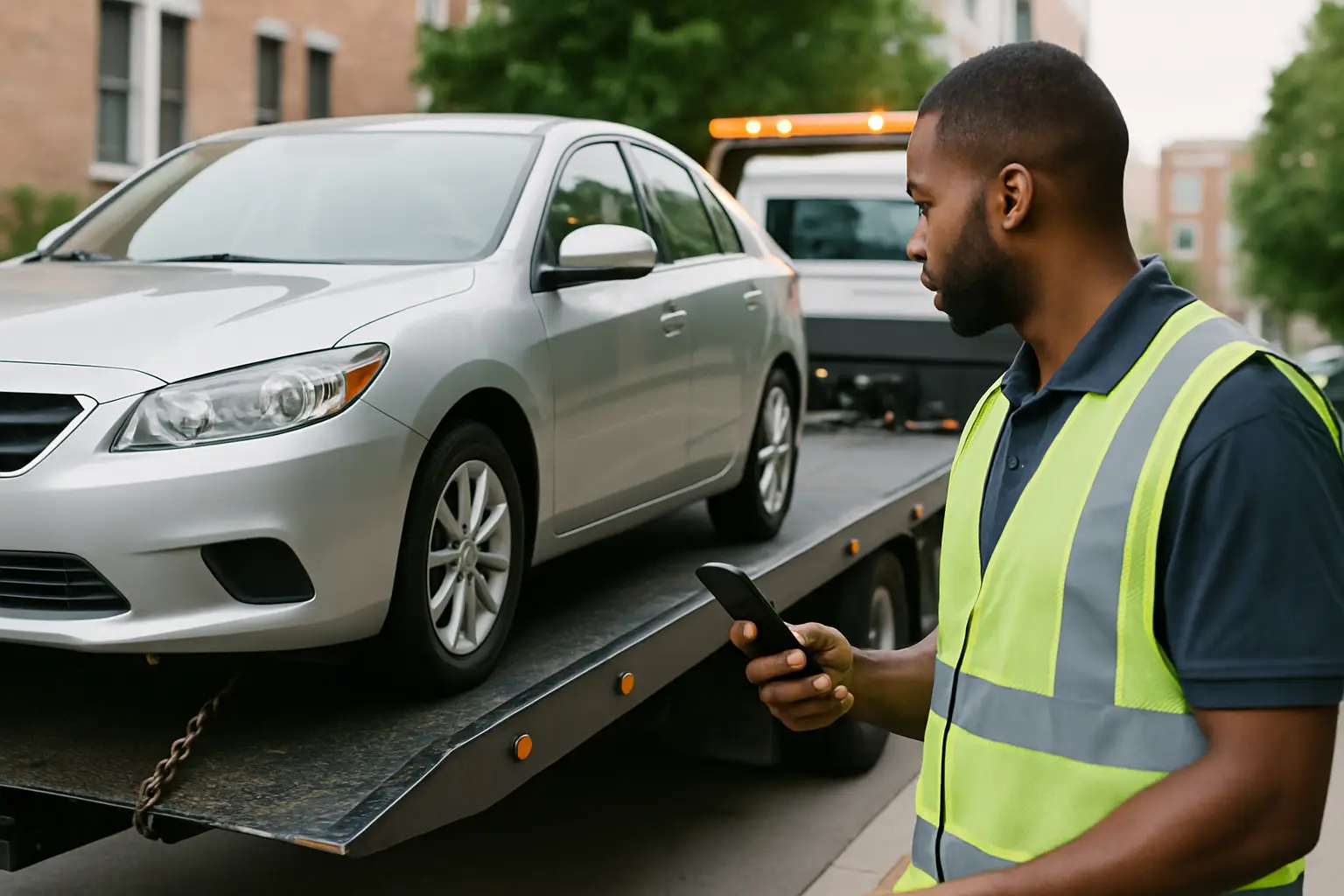
Your car quits on I-10, your phone is at 12%, and traffic is doing that New Orleans thing where it goes from crawling to chaos in one exit. This is not the moment to scroll through ten options and hope you picked the right one. You need a tow company that answers, dispatches the right truck, and gets your vehicle moved safely without turning a bad day into an expensive one.
When you need a tow company in New Orleans
Some calls are obvious: you were in a crash, you’re stuck in a ditch, or the vehicle will not start. Other situations are the ones that sneak up on people and end up causing more damage when they try to “make it home.” If the engine is overheating, the transmission is slipping, a tire is shredded, or you’re getting warning lights plus weird noises, the safest move is usually to stop driving and request a tow.
It also depends on where you are. A dead battery in a parking lot might just need a jump-start. The same dead battery on the shoulder of a busy roadway can be a safety issue first and a convenience issue second. In New Orleans and the surrounding metro, fast dispatch matters because a stranded vehicle can become a hazard quickly.
Tow vs. roadside help: don’t pay for more than you need
A solid tow provider should help you choose the right service, not upsell you.
If the vehicle is mechanically sound but you’re locked out, out of gas, or dealing with a battery that simply needs a boost, roadside assistance is typically the quickest fix. If a tire can be changed safely and you have a usable spare, tire help may get you rolling again.
If there’s a risk of drivetrain damage, steering issues, brake problems, or anything that makes the car unsafe to operate, towing is the right call. And when the vehicle is low, all-wheel drive, has wheel damage, or you’re not sure what failed, a flatbed tow is often the safest option.
What “fast response” should really mean
You’ll hear a lot of companies promise fast arrivals. The difference is whether they can actually dispatch a truck that fits your situation.
Fast response should mean someone answers the phone 24/7, collects the right details in under a minute, and sends a driver with the proper equipment. That starts with basic questions: your exact location, whether you’re in a lane or on the shoulder, whether anyone is injured, the vehicle type, and where it needs to go.
If you’re calling a tow company New Orleans drivers rely on, they should also give you a clear expectation for arrival time based on current call volume and traffic. Sometimes a 30-minute goal is realistic. Sometimes it depends. What matters is honest timing and consistent communication.
The details that speed up dispatch
When you’re stressed, it’s easy to forget what to say. If you can, have these ready: your cross street or nearest exit, vehicle make and model, whether it’s AWD/4WD, and what happened right before it died. If your car is in a garage, tight lot, or blocked in, say that up front so the dispatcher can send the right truck.
If the vehicle was in an accident, mention visible damage and whether any wheels are turned in or broken. That changes how the car should be loaded and whether a flatbed is required.
How a professional tow prevents damage
Towing is not just “hook it and go.” The way your vehicle is lifted and secured matters.
A professional operator focuses on secure contact points, proper strap placement, and safe loading angles. A flatbed tow keeps the vehicle fully off the road, which is ideal for many modern cars, low-clearance vehicles, motorcycles, and vehicles with drivetrain concerns.
Wheel-lift towing can be appropriate for certain situations, especially for short-distance moves where the vehicle can roll and the drivetrain is compatible with that method. The key is choosing the method that matches the vehicle and the problem. If a company can’t explain why they’re using a certain setup, that’s a red flag.
Price expectations in New Orleans: what affects your tow bill
People want a number right away. Realistically, towing prices depend on the details. Distance matters, but it’s not the only factor.
A tow rate is influenced by the type of truck needed (wheel-lift vs. flatbed), time of day, where the vehicle is located (easy roadside pickup vs. tight garage), and whether recovery is involved (stuck in mud, ditch, or off pavement). Vehicle size also changes pricing. A sedan is not the same as an SUV, truck, van, or RV.
Be cautious of quotes that sound too low to be real. Sometimes that turns into add-on charges after the truck arrives. A reputable company should be upfront about what’s included and ask enough questions to quote accurately.
Long-distance towing: plan it like a transport job
If you need to move a vehicle across town, that’s one thing. If you need long-distance hauling, it should be treated like a scheduled transport with clear pickup and delivery expectations.
Long-distance tows typically work best on a flatbed for secure transport and reduced wear. You’ll also want confirmation of insurance coverage and a clear understanding of the route, timing, and where the vehicle will be dropped off.
What to ask before the truck arrives
You don’t need to interrogate anyone, but a few quick questions can protect you.
Ask if the company is licensed and insured, and whether the operator can handle your vehicle type. If you drive an AWD vehicle, ask how they plan to tow it. If it’s lowered or has body kit parts, mention that so they can prepare for clearance issues.
Also ask about payment options and whether you’ll receive a receipt. If you’re going through insurance or roadside coverage, documentation matters.
Common New Orleans towing scenarios (and the right response)
New Orleans driving comes with its own mix of challenges - tight streets, unpredictable flooding, heavy event traffic, and plenty of construction zones.
If your car stalls in a busy corridor or on an interstate shoulder, your first priority is safety. If you can safely get to the shoulder and turn on hazards, do it. If you’re in a dangerous position or visibility is low, stay buckled inside the vehicle and call for help.
If you’re dealing with high water, don’t try to “test it.” Water and engines are a costly combination. If you drove through water and the car shut off, do not try to restart it. Request a tow and let a shop inspect it.
If you’re in a parking garage and the vehicle won’t start, say so. Clearance restrictions may require a specific approach.
Picking the right tow company New Orleans drivers can count on
When you’re stranded, you want two things: speed and confidence that your vehicle will arrive in the same condition it was loaded.
Look for a company that runs 24/7, dispatches quickly, and clearly explains the plan. Trained operators and the right equipment matter more than flashy ads. A dedicated fleet that covers light- and medium-duty needs is a good sign, especially if you might need a flatbed.
You should also pay attention to how you’re treated on the phone. A calm, direct dispatcher who asks the right questions and gives realistic timing is usually attached to a team that runs professionally in the field.
If you need help right now in Kenner or the New Orleans area, Zain Towing LLC is set up for rapid-response dispatch with 24/7 towing, recovery, and roadside assistance, including flatbed service and light- to medium-duty capability.
What you can do while you wait
After you’ve requested service, small steps make pickup faster and safer.
If you’re on the roadside, keep hazards on and stay aware of traffic. If it’s safe, move to a protected spot. At night, keep interior lights low so you can still see outside. If you can share an exact location pin, that helps the driver find you without delays.
If the vehicle is in a lot, try to make it accessible - for example, don’t leave it boxed in if you can safely push it or steer it into a clearer spot. If you can’t, just tell dispatch the situation so the operator arrives prepared.
When the truck arrives, communicate any special concerns: low clearance, steering locked, electronic parking brake issues, or if the vehicle is in neutral and rolls. Clear information reduces the chance of delays and prevents damage.
A quick reality check: sometimes the “nearest” option isn’t the best
It’s tempting to choose the first number that pops up. But the best tow experience usually comes from a company that can send the right truck the first time. Waiting an extra few minutes for a properly equipped flatbed is often better than rushing a mismatched setup that risks bumper damage, drivetrain problems, or a failed load.
If you’re stuck, focus on three things: safety where you’re parked, clear communication with dispatch, and getting your vehicle moved securely to the right destination - your home, a trusted shop, or a dealership.
The next time your car surprises you at the worst possible moment, you don’t need to know everything about towing. You just need to make the one decision that reduces risk: get professional help on the way, then let the operator handle the hard part.
Need help right now?
Zain Towing runs 24/7 in Kenner, New Orleans, Metairie, Harahan and Gretna. Call (504) 666-9099 or see our towing service, roadside assistance and New Orleans pages.