
Tow Truck Arrival Times: What to Expect
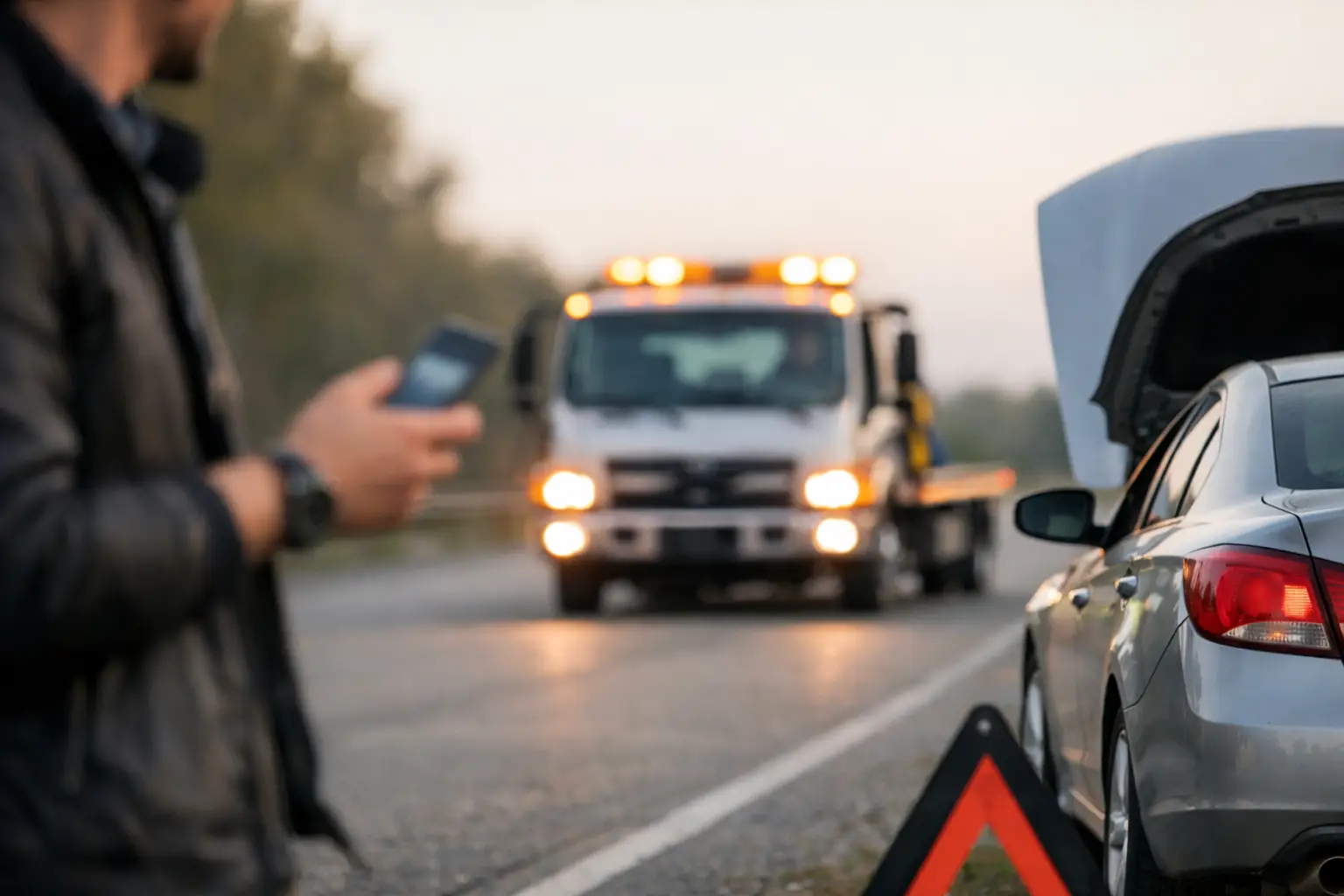
A breakdown on I-10 at night feels a lot longer than it is. When your car will not start, your tire is shredded, or you are stuck after a crash, the first question is usually simple: how long will this take? Tow truck arrival times matter because every extra minute on the shoulder, in a parking lot, or in an unfamiliar area adds stress, safety concerns, and lost time.
The honest answer is that tow truck arrival times are never based on one factor alone. They depend on where you are, what kind of vehicle you have, what happened, and how busy roads are at that moment. A reliable towing company should not give you a vague promise just to get the call. It should give you a realistic ETA, dispatch the right truck, and keep the process moving.
What affects tow truck arrival times?
In the Kenner and New Orleans area, traffic is one of the biggest variables. A truck may be close by on the map, but heavy congestion, road work, bridge traffic, flooding, or an accident can change the route fast. A 15-minute drive in light traffic can turn into a much longer run during rush hour or severe weather.
Your exact location also matters. If you are on a major road with easy access, dispatch can usually reach you faster than if you are in a tight apartment garage, a back lot, a narrow side street, or a low-visibility area that takes extra time to locate safely. Good dispatch starts by confirming landmarks, cross streets, and the safest place for the operator to approach.
The type of service changes timing too. A simple jump-start or lockout may require a roadside unit and less setup time than a full tow. A flatbed tow for an all-wheel-drive vehicle, a motorcycle, a lowered car, or a damaged vehicle often needs more specific equipment. Medium-duty towing for larger trucks or work vehicles can take longer because not every truck in the fleet is built for every job.
Weather can slow everything down. Rain, standing water, storms, and poor visibility do not just affect drivers waiting for help. They affect dispatch routes, loading conditions, and operator safety. In bad weather, a professional towing company should still respond fast, but it also has to protect your vehicle and the scene.
Why some tow truck arrival times are faster than others
Fast response is not just about driving fast. It comes from having the right system in place. That means 24/7 dispatch, trained operators, a ready fleet, and the ability to send the right truck the first time.
This is where many delays start. If a company sends a wheel-lift when a flatbed is needed, or if it dispatches an operator without the right tools for a lockout, winch-out, or damaged vehicle, your wait gets longer. The first ETA may sound good, but the actual service takes more time because the setup was wrong.
A professional operation works differently. Dispatch asks the right questions upfront: Is the car in gear? Are the keys locked inside? Is the vehicle damaged? Does it sit low? Is it all-wheel drive? Are you in traffic, a parking garage, or a flooded shoulder? Those details help avoid wasted time and get the right operator moving right away.
In many local cases, a sub-30-minute target is realistic. But realistic does not mean guaranteed in every condition. A company that understands the roads around Kenner and New Orleans should be clear about that and still work to arrive as fast as possible.
What you can do to reduce wait time
When you call for help, clear information speeds up dispatch. If you are stressed, keep it simple and focus on the details that matter most.
Start with your exact location. A highway name is not enough if you do not include direction, nearest exit, or a visible landmark. If you are in a shopping center or apartment complex, say which entrance you used and where the vehicle is parked.
Next, describe the vehicle accurately. Make, model, color, and whether it is a car, SUV, pickup, motorcycle, van, RV, or boat trailer all matter. Then explain the issue in plain terms. Saying “it won’t move after an accident” is more useful than saying “my car is messed up.”
Tell dispatch about anything unusual right away. Flat tire in a tight garage, dead battery in a busy pickup lane, keys locked in the trunk, wheel damage, missing lug nuts, or a vehicle stuck in mud all affect what gets sent. The more precise you are, the less chance of a delay.
If conditions are unsafe, say that too. If you are blocking traffic, stuck on a shoulder, or in an area that feels unsafe, that should be part of the call from the start.
What a good towing company should tell you
When drivers are stranded, they do not need a sales pitch. They need direct answers. A trustworthy towing company should tell you whether it can handle your vehicle, what kind of service is being dispatched, and a realistic arrival window.
You should also know if there are conditions that may affect the ETA. That includes major traffic backups, weather, active crash scenes, or a need for specialized equipment. Honest communication matters more than a rushed promise that changes later.
For towing, you should expect safe handling standards as part of the response. Licensed and insured service, trained operators, and the right loading method protect your vehicle once the truck arrives. Fast arrival is important, but safe transport is what protects you from a second problem after the first one.
Tow truck arrival times in emergency vs. non-emergency situations
Not every call is handled the same way, and that is a good thing. A disabled vehicle on the shoulder of a busy road is a higher-risk situation than a planned transport from a driveway. An accident scene with debris, limited shoulder space, or traffic exposure may require a more urgent dispatch approach than moving a non-running car between locations.
That does not mean scheduled or lower-risk jobs are unimportant. It means dispatch has to balance urgency with safety and fleet availability. If you are calling for vehicle transport rather than roadside emergency help, your ETA may be scheduled more precisely instead of treated as an immediate emergency run.
This is also why some customers hear different wait times for what sounds like the same service. Two towing jobs are rarely identical once location, risk, vehicle type, and equipment needs are factored in.
Why local coverage matters for faster response
Local service area knowledge can make a real difference in tow truck arrival times. Operators who know the roads, traffic patterns, event congestion, and problem corridors around Kenner and New Orleans can route smarter and adjust faster when conditions change.
That local advantage matters on airport-area roads, congested city routes, bridge approaches, and storm-affected areas where delays can stack up quickly. A company with active local dispatch is usually in a stronger position than an out-of-area service trying to cover too much territory at once.
It also helps with the handoff once the truck arrives. Local operators are more likely to understand common access issues, nearby repair destinations, and the safest way to load in tight urban spaces.
When faster is not always better
Everyone wants immediate help, and for good reason. But there is a difference between fast response and rushed service. If an operator shows up quickly but loads your vehicle the wrong way, damages the bumper, or skips safety checks, that fast arrival just created a bigger problem.
The better standard is fast, correct, and safe. That means showing up prepared, securing the vehicle properly, using the right equipment, and transporting it without avoidable damage. For many drivers, that combination is what really matters once the stress settles down.
A company like Zain Towing LLC builds trust by treating response time as part of the job, not the whole job. Drivers need quick dispatch, but they also need professional handling from the moment the truck pulls up.
What to expect when you call
If you need help, expect the call to move quickly. Dispatch should ask where you are, what you drive, what happened, and where the vehicle needs to go if a tow is required. From there, the goal is simple: send the right truck, give you a realistic ETA, and get you out of a bad situation with as little delay as possible.
If you are waiting roadside, stay in a safe place if possible, keep your phone nearby, and watch for updates. The best towing response is not just fast on paper. It gets to you, handles the vehicle safely, and helps you feel like the situation is under control again.
When your vehicle leaves you stranded, minutes feel expensive. Clear dispatch, trained operators, and a local team that knows how to move fast without cutting corners can make those minutes shorter and a lot less stressful.
Need help right now?
Zain Towing runs 24/7 in Kenner, New Orleans, Metairie, Harahan and Gretna. Call (504) 666-9099 or see our towing service, roadside assistance and New Orleans pages.