
Tow Truck Dispatch 24/7: What Happens Next
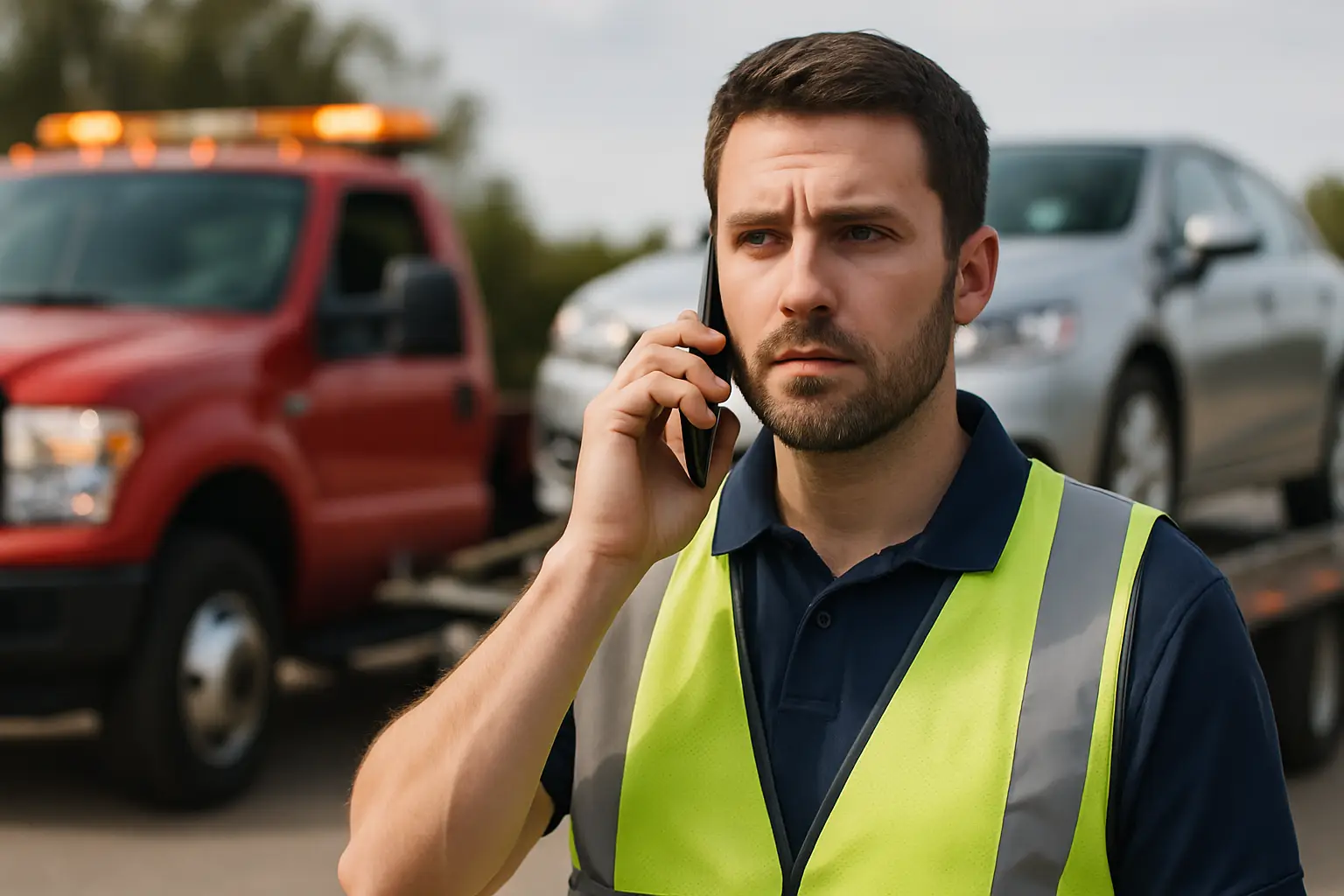
Your car dies on I-10 at 2:17 a.m. It is dark, traffic is still moving fast, and your phone battery is at 18%. In that moment, you do not need a long explanation of towing - you need a tow truck dispatched, and you need it now.
That is exactly what tow truck dispatch 24/7 is for. Real operators, real trucks, and a process built to get the right equipment to your exact location without wasting time.
What “tow truck dispatch 24/7” really means
A true 24/7 dispatch operation is more than a phone line that goes to voicemail after hours. It means someone answers, collects the right details quickly, and assigns the right truck and operator based on your vehicle, your situation, and your location.
It also means the company is prepared for the reality of New Orleans and Kenner driving - late-night breakdowns, weekend accidents, flooded streets, tight parking garages, and heavy traffic patterns that change by the hour.
The goal is simple: minimize your wait time, minimize the chance of vehicle damage, and get you to a safe destination with as little friction as possible.
Why 24/7 dispatch matters in Kenner and New Orleans
When you are stranded, the clock is not just about inconvenience. It is about safety and cost.
A disabled vehicle on the shoulder can turn into a secondary accident. A car stuck in a driveway entrance can get you towed by property management. A dead battery in an unsafe area can put you in a situation you never expected. And if you are traveling through town, every hour you wait can mean missed hotel check-in, missed work, or a repair shop that closes before you arrive.
Night and weekend calls are also when you are most likely to need someone who can make decisions fast. Dispatch has to understand whether you need a flatbed, whether your vehicle can roll, whether your wheels are locked, and whether you are in a location a standard tow truck can safely access.
The dispatch questions that speed everything up
If you are stressed, it can feel like dispatch is asking “too many questions.” In reality, those questions are what prevent delays and prevent damage.
Your exact location, not just the street name
For fast dispatch, location needs to be specific. The difference between “near Veterans Blvd” and “eastbound Veterans Blvd, right shoulder, just before the Williams exit” can shave real minutes.
If you can safely do it, share cross streets, landmarks, mile markers, or the name of the parking lot or business you are closest to. If your phone can send your GPS pin, even better.
Vehicle type and condition
Dispatch needs to know what they are arriving to pick up. A small sedan, a full-size SUV, a work truck, or a motorcycle may require different equipment and tie-down points.
They will also ask whether the vehicle starts, whether it rolls, and whether you can put it in neutral. Those details decide whether you need a flatbed tow, a wheel-lift, or additional recovery tools.
What happened
A dead battery and a collision are not the same call. Neither is a blown tire versus an overheated engine.
This is not about curiosity - it is about safety and preparation. For example, if your car was in a wreck, dispatch may send a truck that is best suited for secure loading and damage prevention. If you are stuck in mud or a ditch, they may treat it as a recovery situation and plan accordingly.
Destination and preferences
Some drivers already know their repair shop. Others just want to get home safely.
If you need long-distance towing, dispatch needs that upfront so the operator arrives prepared for the route and timing. If you need a specific drop-off process, like leaving keys with a night drop or meeting someone at a gate, say so early.
Heading off common delays
Most towing delays are not caused by the tow truck itself. They come from mismatched equipment, unclear access, or changing information.
If you are in a parking garage, mention height restrictions. If you are in a tight alley behind a French Quarter building, say that too. If you are on a median or in a construction zone, tell dispatch exactly what you are seeing.
Also, be honest about vehicle condition. If a wheel is broken, the steering is locked, or the car will not shift into neutral, dispatch can still help - but the plan may change.
Flatbed vs wheel-lift: why dispatch chooses one
Many drivers assume every tow is the same. Dispatch does not.
A flatbed tow is often the cleanest option for damage prevention because the vehicle is fully loaded and secured. It is commonly used for all-wheel-drive vehicles, low-clearance cars, motorcycles, and situations where the vehicle cannot roll smoothly.
A wheel-lift tow can be faster for certain roadside breakdowns, especially when the vehicle is accessible and can roll. But it is not always the best fit for every vehicle or every condition.
This is why the dispatcher’s questions matter. They are choosing the method that protects your vehicle and keeps the pickup safe.
Roadside assistance or towing: which one do you need?
Not every call needs a tow. A good dispatch team will help you figure out whether roadside service can solve the problem on the spot.
If you are locked out, have a dead battery, or need help with a tire, a quick roadside response may get you moving without the extra time of transport.
If you have engine trouble, transmission problems, accident damage, or a situation where driving could cause more damage, towing is the safer call. When in doubt, choose the option that protects your vehicle. One bad decision - like driving an overheated engine - can turn a manageable problem into a major repair.
What to do while you wait for a tow truck
Your safety comes first. If you are on a highway shoulder or in a high-traffic area, focus on being visible and protected.
Turn on hazard lights right away. If you have reflective triangles or flares and it is safe to place them, do so. Stay inside the vehicle with your seatbelt on if you are in a dangerous traffic environment and you can safely remain there. If you are in a safer area, like a parking lot, moving to a well-lit spot nearby may be smarter.
If you are in an accident, call 911 when appropriate, especially if anyone is injured or traffic is blocked. And if you smell fuel, see smoke, or suspect fire risk, get away from the vehicle and move to a safe distance.
Dispatch can work faster when you are calm and clear. Keep your phone charged if possible, and keep notifications on so you do not miss a call from the operator.
Timing expectations: fast response, real-world factors
You want a quick arrival - and you should. Many local towing companies prioritize rapid response, and some aim for arrival windows under 30 minutes when conditions allow.
But timing depends on factors dispatch cannot always control, like bridge traffic, heavy rain, Mardi Gras route closures, accidents that block lanes, or calls that require specialized recovery.
The key is transparency. A good dispatcher sets expectations, updates you when needed, and does not leave you guessing.
Pricing and transparency: what affects the cost
Tow pricing is not one-size-fits-all, and any dispatcher who pretends it is should raise a flag.
Rates can vary based on distance, vehicle size, the kind of tow truck required, after-hours dispatch, and whether your situation is a straightforward pickup or a recovery.
If you want the cleanest quote, be ready to share pickup and drop-off locations, your vehicle details, and the condition of the vehicle. If you have roadside coverage through insurance or a motor club, mention it early so dispatch can tell you what documentation you may need.
What “licensed and insured” should mean to you
When you are stuck on the road, it is tempting to take the first offer you find. But towing is hands-on work with real risk - to your vehicle, to the operator, and to other drivers.
A licensed and insured towing provider is a signal that the company takes the job seriously. It also tends to correlate with trained operators, proper tie-downs, and equipment that is maintained for secure transport.
You are not just paying for a truck. You are paying for damage prevention and a controlled, professional pickup.
Tow truck dispatch 24/7 for planned transport, too
“Emergency” is the obvious use case, but 24/7 dispatch also helps with planned moves that still need flexible timing.
If you are hauling a vehicle long distance, transporting a project car, moving a motorcycle, or relocating a vehicle that is not currently drivable, being able to schedule around your life matters. Nights and early mornings can be the best time to load when traffic is lighter and access is easier.
Dispatch should treat planned transport with the same care as emergency towing: correct equipment, secure handling, and clear drop-off instructions.
Getting help in Kenner and New Orleans
If you need a local operator who can dispatch immediately for towing, recovery, or roadside help, Zain Towing LLC serves Kenner and the New Orleans area with always-on dispatch, trained operators, and a focus on safe, secure vehicle handling.
If you are calling for help right now, the fastest path is simple: share your exact location, your vehicle type, what happened, and where you need to go. Then put your attention back where it belongs - staying safe, staying visible, and letting a professional handle the hard part.
When your night goes sideways, the best move is not to tough it out. It is to make one clear call, give dispatch what they need, and let the next few minutes be about getting you out of a bad spot and back to a normal day.
Need help right now?
Zain Towing runs 24/7 in Kenner, New Orleans, Metairie, Harahan and Gretna. Call (504) 666-9099 or see our towing service, roadside assistance and New Orleans pages.