
Choosing the Right Tow Truck for Pickup Trucks
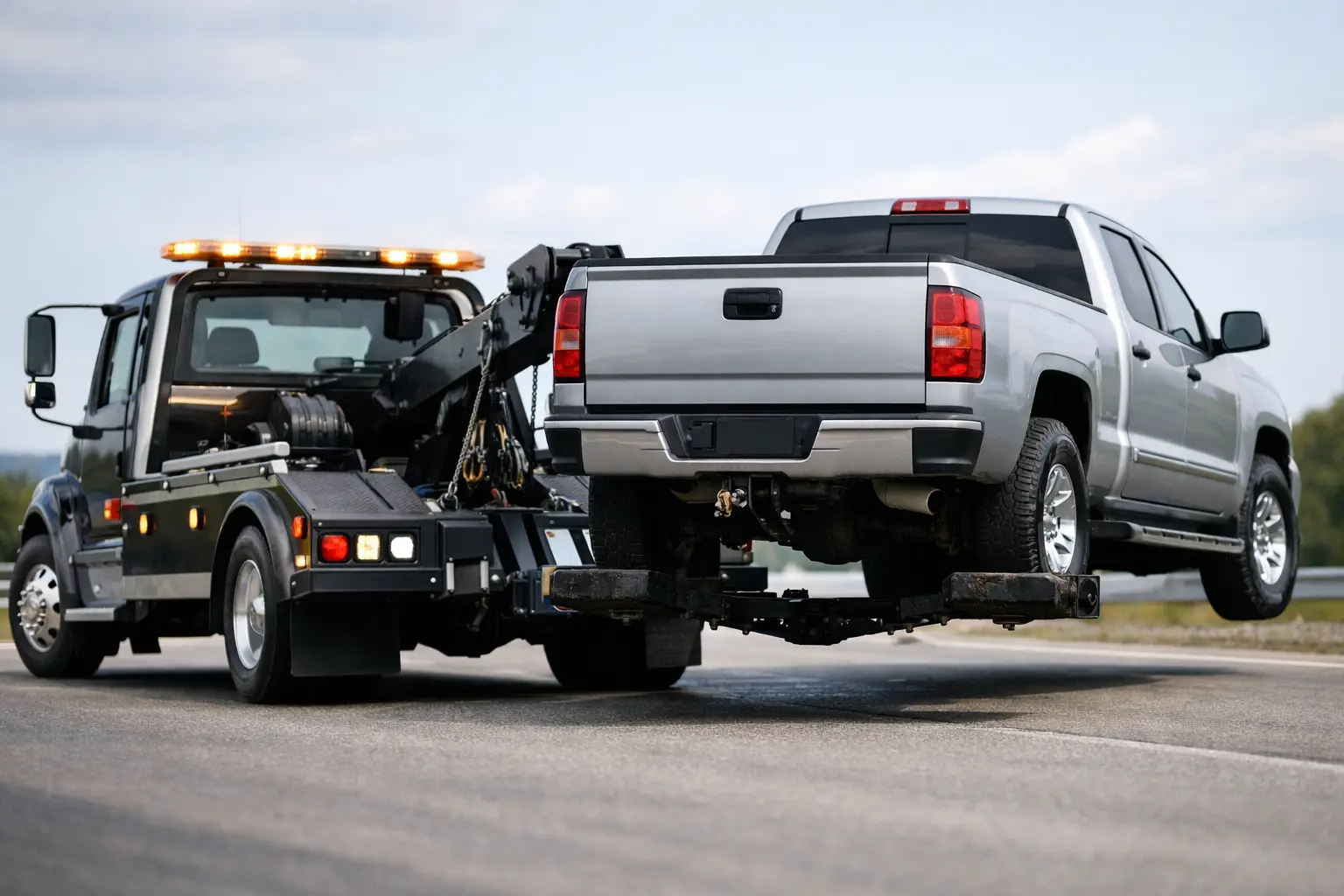
A pickup that quits on I-10, gets stuck in mud, or will not start in a parking lot needs more than the first available hookup. The right tow truck for pickup trucks protects the truck's drivetrain, suspension, tires, and body while getting it where it needs to go. That matters whether you drive a compact pickup, a full-size work truck, a lifted 4x4, or a loaded truck with tools in the bed.
For drivers in Kenner and New Orleans, the best move is to call for professional towing as soon as you know the truck cannot be safely driven. A trained operator can match the equipment to the pickup, secure it correctly, and transport it without adding expensive damage to an already stressful situation.
Why Pickup Trucks Need the Right Towing Setup
Pickup trucks vary widely in weight, wheelbase, ride height, drivetrain, and modifications. A two-wheel-drive midsize truck may be straightforward to tow, while a heavy-duty diesel 4x4 with oversized tires can require a very different setup. Bed cargo, towing packages, low front spoilers, aftermarket suspension, and accident damage can also affect how the truck should be loaded.
Using the wrong method can create problems that do not show up until later. Dragging the wrong wheels, using improper attachment points, or towing a four-wheel-drive truck without accounting for the transfer case can put stress on driveline components. A truck that has been in a collision may also have damaged steering or suspension, making a standard wheel-lift tow less appropriate.
That is why dispatch should ask about the truck's make, model, condition, and location before sending a unit. The goal is not simply to move the vehicle. It is to move it safely, securely, and with the equipment needed for that specific recovery or transport.
Flatbed Towing Is Often the Best Choice
For many situations, a flatbed is the preferred tow truck for pickup trucks. The vehicle is loaded fully onto the bed, keeping all four wheels off the road. This is especially useful for 4x4 pickups, all-wheel-drive models, trucks with mechanical failures, and vehicles involved in accidents.
Flatbed towing also makes sense when a truck has a transmission issue, a broken axle, steering damage, a flat tire that cannot be changed safely, or a wheel that will not roll. It is a strong option for long-distance hauling because the truck stays secured on the carrier instead of traveling on its own tires.
A professional operator will use the appropriate winching and securement process, taking care around low-clearance parts, damaged panels, and custom equipment. If your pickup is lifted or has a wide stance, tell dispatch before the truck is sent. That information helps ensure the flatbed can load and carry it safely.
When Wheel-Lift Towing May Work
A wheel-lift tow can be a practical option for certain pickups, particularly when access is tight or a quick local move is needed. However, it depends on the drivetrain and the condition of the truck. Two-wheel-drive pickups may be towable with the drive wheels raised, while four-wheel-drive and all-wheel-drive trucks often need different handling.
The operator may use dollies or recommend a flatbed if the truck's configuration calls for it. Never assume that a pickup can be towed from either end just because it is a truck. Let the towing professional evaluate the vehicle and choose the method that prevents damage.
What to Tell Dispatch When You Need Pickup Towing
A fast response starts with clear information. When you call for towing, be ready to provide your exact location, including nearby exits, cross streets, parking-lot markers, or recognizable businesses. If you are on a busy road, move to a safe location if possible and stay clear of traffic.
Also share the pickup's year, make, model, cab style, and whether it is two-wheel drive, four-wheel drive, or all-wheel drive. Mention if it is lifted, has oversized tires, carries a toolbox or cargo, or has a trailer attached. These details help dispatch select the appropriate truck and avoid delays after the operator arrives.
Describe what happened as clearly as you can. Say whether the truck will not start, overheated, has a flat, is stuck, was in an accident, or has a damaged wheel. If the truck is in a garage, behind a gate, in a ditch, or parked with limited clearance, say that too. The right information lets the towing team plan for a safe recovery instead of guessing at the scene.
Breakdown, Accident, or Stuck Truck: Do This First
If your pickup breaks down, turn on hazard lights and pull as far from traffic as conditions allow. On a highway shoulder, avoid standing near the travel lanes. If the truck has smoke, leaking fluid, or crash damage, do not keep trying to drive it.
For a stuck pickup, spinning the tires can make the problem worse, especially in mud, wet grass, sand, or a soft roadside shoulder. Repeated acceleration can dig the truck deeper, damage the tires, or put extra strain on drivetrain components. Call for recovery before the situation turns into a more difficult extraction.
After an accident, do not let anyone attach chains or straps to an unknown point on the truck. Damaged bumpers, control arms, tie rods, and frame components may not support a pull. A trained operator can assess the position of the truck, use proper recovery points, and choose a loading method that minimizes additional damage.
Pickup Truck Towing for Work Vehicles
A disabled pickup can mean more than a missed appointment. For contractors, delivery drivers, service technicians, and small business owners, the truck may carry tools, supplies, ladders, or equipment needed for the day. Secure transport matters because loose cargo and open beds can create additional risks during a tow.
Tell the operator if the truck is loaded. Small items should be secured or removed when it is safe to do so, and valuable tools should not be left exposed. If your pickup is pulling a trailer, let dispatch know the trailer type, size, and whether it is loaded. In some cases, separate equipment or a different recovery plan may be needed.
Cost, Timing, and What Affects Your Tow
The price of pickup towing depends on distance, truck size, location, time of day, vehicle condition, and the type of equipment required. A simple local tow from a safe parking lot is different from recovering a heavy 4x4 from a ditch or transporting a disabled truck across a longer distance.
The fastest way to get an accurate quote is to provide complete details from the start. A trustworthy provider should explain the service being dispatched and give you clear expectations about arrival and transport. Zain Towing LLC provides 24/7 towing and roadside assistance with trained operators, licensed and insured service, and a rapid-response dispatch goal for the Kenner and New Orleans area.
Call Before a Small Problem Becomes a Bigger Repair
Do not risk driving a pickup with overheating, severe vibration, warning lights, steering trouble, transmission problems, or visible tire damage just to get it a few more miles. The cost of a professional tow is often far less than the cost of damaging an engine, transmission, axle, or suspension.
When you need help, call with your location and pickup details, then let the operator bring the right equipment. A safe tow gets your truck off the road, protects your vehicle, and gives you a clear next step instead of a bigger problem.
Need help right now?
Zain Towing runs 24/7 in Kenner, New Orleans, Metairie, Harahan and Gretna. Call (504) 666-9099 or see our towing service, roadside assistance and New Orleans pages.