Tow Truck Near Me: What to Do in the Next 5 Minutes
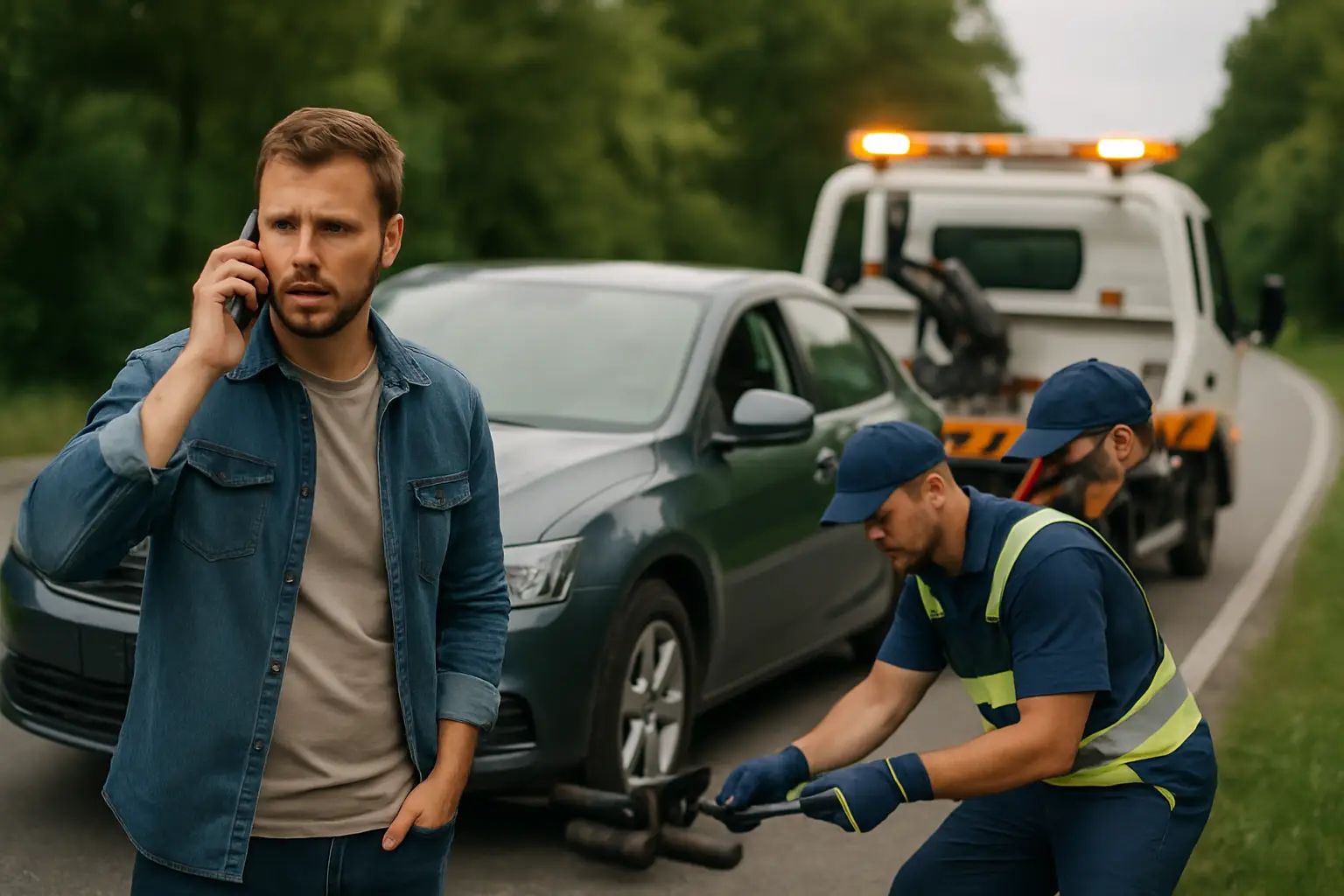
The moment your car quits on I-10, won’t start in a parking lot, or ends up stuck in a ditch after a storm, you don’t want “tips.” You want a tow truck near me that actually shows up, hooks up safely, and gets you and your vehicle to the right place without turning a bad day into an expensive one.
This is a practical, action-first guide for drivers in the Kenner and New Orleans area. It’s built for real situations: busy shoulders, late-night breakdowns, flooded streets, tight garages, older vehicles, rideshare schedules, and family cars with kids in the back. Use it like a checklist you can read fast.
First: get safe before you search “tow truck near me”
If you’re on a roadway, your first job is protecting people, not the vehicle.
If the car still rolls, steer to the safest spot you can reach without forcing it: a wide shoulder, an off-ramp, a parking lot, or a well-lit side street. Turn your hazard lights on right away. At night or in heavy rain, visibility drops fast, and other drivers may not see you until the last second.
If you can, get everyone out of the vehicle and behind a guardrail or well off the road. If you’re on a narrow shoulder, staying buckled in with hazards on can be safer than stepping into traffic. There’s no one rule here - it depends on the shoulder width, speed of traffic, and lighting.
If there’s smoke, a fuel smell, or you’ve been in a crash, create distance. Pop the hood only if it’s safe and you’re away from traffic. Don’t stand between vehicles, and don’t crawl under a car that’s partially in a lane.
If you need help deciding what to do next in a true emergency situation, this may help: Emergency Towing Near Me: What to Do Next.
The fastest way to get the right truck is to give dispatch the right details
A lot of towing delays happen for one reason: the truck that arrives isn’t the right match for the vehicle or the scene. You can avoid that by giving dispatch clear information the first time.
When you call, be ready to share your exact location, what happened, what you drive, and where it’s going. It sounds basic, but in the moment most people skip key details.
Your location should include the direction of travel and the closest cross street or exit number. “I’m on I-10” is not enough. “I-10 Eastbound, right shoulder, just past the Williams Blvd exit” gets a truck to you faster.
Your vehicle details should include the year/make/model and anything that changes the tow method: AWD/4WD, low clearance, aftermarket body kit, a locked steering wheel, or a wheel that won’t turn. If you’re in a truck or van, mention if it’s loaded.
Then describe the problem in plain language: won’t start, overheated, flat tire with no spare, keys locked in, stuck in mud, accident with a broken wheel, or “it’s in a garage and won’t move.” Those are the phrases that tell an operator what equipment is needed.
Finally, tell dispatch the destination. If you don’t have one yet, say that. A good tow operator can take you to a shop, your home, a dealership, or another safe location - but the quote and truck choice can change depending on distance and drop-off setup.
Ask these questions so you don’t get surprised
Not all towing is the same, and not all pricing is explained the same way. You don’t need to interrogate anyone, but you should ask a few direct questions so you know what’s happening.
Ask what type of truck is being sent and why. For many situations, a flatbed is the safest option because the vehicle rides completely off the ground and there’s less risk of drivetrain or bumper damage. A wheel-lift can be fine for standard local towing, but certain vehicles and conditions call for a flatbed.
Ask for an estimated arrival window and whether traffic or weather could affect it. In the New Orleans metro, a “short distance” can turn into a long wait during rush hour, events, or severe weather.
Ask how charges are calculated. You’re looking for clarity on the base rate, mileage, after-hours rates if applicable, and whether there are extra fees for winching, recovery, or difficult access.
Ask what payment types are accepted. If your wallet is in the car and the car is locked, say that. If you need a receipt for insurance reimbursement, say that too.
You don’t need to memorize towing jargon. You just need to make sure everyone is talking about the same job.
Flatbed vs wheel-lift: why it matters for your car
If you’re searching “tow truck near me,” you’re probably not thinking about equipment. But equipment affects both safety and cost.
A flatbed tow is often the best choice when the vehicle can’t roll, has damage, sits low, has an AWD system, or needs damage prevention priority. The car is loaded onto the bed using a winch, then secured with straps.
A wheel-lift tow raises two wheels off the ground and tows the vehicle on its remaining wheels. It can be faster to hook up in some street situations and is commonly used for shorter tows when the vehicle is in towable condition.
Here’s the trade-off: towing with two wheels on the ground can be risky for certain drivetrains and can cause damage if the vehicle is not configured correctly. Many AWD vehicles should not be towed with two wheels down unless proper dollies are used or the manufacturer procedure is followed. If you’re not sure what you have, tell dispatch your make/model and ask what method is safest.
If your car is in an accident, has a broken axle, a jammed wheel, or suspension damage, assume flatbed or specialized recovery is the safer call.
“I’m stuck” is not one problem - it’s three different scenarios
In Louisiana, getting stuck can mean mud, a soft shoulder, or flood water. Each one changes what a tow operator can safely do.
If you’re stuck in mud or on a soft shoulder, a winch-out is often the answer. The tow operator will use a winch line and controlled pulling to get the vehicle back onto stable ground. A good operator protects your vehicle during this process by choosing correct anchor points and avoiding unsafe angles.
If you’re stuck in a ditch, the main risk is additional damage during recovery - ripping a bumper, bending a control arm, or dragging undercarriage components. This is where experience matters. Recovery isn’t just pulling; it’s planning the pull.
If you’re in or near flood water, be careful. Water exposure can total a vehicle, and moving it incorrectly can make things worse. If water reached the floorboards, don’t try to start it. Tell dispatch the water level and whether the car is in standing water. The priority becomes safe extraction and preventing additional damage, not “getting it running.”
The biggest mistake: trying to “limp it” when it’s not safe
A lot of people search “tow truck near me” only after they’ve driven the vehicle farther than they should. Sometimes you can limp to a safer spot, but sometimes you turn a small repair into a major one.
If your temperature gauge is climbing or the engine is overheating, keep driving can warp components and cause serious engine damage. If your oil pressure warning is on, you can destroy the engine quickly. If you have grinding brakes, steering issues, or a tire that’s coming apart, you’re risking a crash.
If you’re unsure, shut it down and call. Towing costs money, but major mechanical damage costs a lot more.
If you’re in a parking garage, tell dispatch before the truck is sent
Parking garages and tight lots in New Orleans and surrounding areas create a special problem: height clearance and access.
If you’re in a garage, tell dispatch the clearance height, whether the vehicle is on a ramp, and whether it can be put in neutral. Some tow setups require more vertical clearance than you’d expect, and sending the wrong truck can waste time.
If you’re blocked in, mention that too. Sometimes the best option is to get the car rolling first (jump-start, tire service) so it can be repositioned for towing.
Roadside help vs towing: pick the fastest fix
Not every “tow truck near me” search needs a tow. Sometimes you need roadside assistance that gets you back on the road.
If your issue is a dead battery, a jump-start may solve it in minutes. If the battery won’t hold a charge, you may still need a tow after the jump - but at least you can move to a safer spot.
If you have a flat tire and a usable spare, tire help may be enough. If your lug nuts are locked and you don’t have the key, or the tire is damaged beyond a quick swap, towing to a tire shop is the safer path.
If you’re locked out, a lockout service can get you back in without breaking glass. If you lost your keys entirely or your fob is dead and the vehicle won’t recognize it, you may need a tow to a dealership or locksmith.
The fastest outcome comes from matching the service to the problem. Tell dispatch what you’re seeing and what you’ve already tried.
What to do while you wait so pickup goes smoothly
Once help is on the way, you can speed up the actual tow by getting a few things ready.
If it’s safe, find your registration and insurance information. Remove valuables and essentials you’ll need right away: phone charger, medications, child items, work equipment. If the car is going to a shop, you may not have access to it until business hours.
If your vehicle has special towing instructions (some cars have a tow mode, electronic parking brake, or a specific neutral procedure), pull them up in your owner’s manual app if you can. You don’t need to be the expert - but having that info can prevent delays.
If you can’t put the vehicle in neutral, say so when the truck arrives. For some vehicles, “won’t shift out of park” is the entire job.
After an accident: what a tow operator needs to know
Accidents add variables: leaking fluids, airbags deployed, wheels that won’t roll, and the need to coordinate with police or a property owner.
If you’ve been in a collision, tell dispatch whether the vehicle is drivable at all, whether a wheel is broken, and whether it’s blocking traffic. If it’s on a busy roadway, police may require quick clearance, and the safest tow method may be a flatbed or a quick lift to get it out of lanes.
Also share whether the steering wheel turns and whether the vehicle is locked with the key available. If you’re shaken up, that’s normal. You don’t need perfect wording - just communicate what you can see.
If you’re dealing with a situation in the city and want a local step-by-step for next actions, this can help: Tow Company New Orleans: What to Do Next.
Long-distance towing: what changes (and what shouldn’t)
Sometimes you’re not trying to get across town. You’re trying to get home, move a vehicle you bought, or transport a car that can’t be driven.
Long-distance towing should still be about damage prevention first. The vehicle needs to be secured correctly, and the route and timing matter. Rain, road debris, and sudden braking are part of real-world hauling.
When you request a longer tow, expect questions about the destination address, drop-off hours, who will receive the vehicle, and whether the vehicle can roll and steer. Those details reduce surprises at delivery.
Pricing will usually depend on distance and the tow method. A quote should be clear about what’s included and what could change if the vehicle condition is different than described.
How to spot a towing company that takes safety seriously
When you’re stressed, you’re vulnerable to vague answers and rushed service. A professional towing provider will be direct and clear, not slippery.
You should expect an operator who protects your vehicle during hookup: using proper straps, avoiding risky attachment points, and checking that the car is stable before moving. You should also expect basic professionalism: a marked truck, proper equipment, and a process that doesn’t feel improvised.
Licensing and insurance matter because towing is not risk-free. Even with careful handling, roadside work happens around traffic and in bad weather. You want a company that treats towing like a professional trade, not a side hustle.
If you’re in Kenner and need help at any hour, 24/7 Towing Service in Kenner: What to Do Next covers immediate next steps.
Common “tow truck near me” situations in Kenner and New Orleans
Local driving conditions create predictable towing needs. Knowing the pattern can help you describe the situation quickly.
Breakdowns on interstates like I-10 and I-610 tend to be about safety and speed. The goal is getting you out of harm’s way and transporting the vehicle without causing more mechanical damage.
Neighborhood and parking lot calls are often batteries, tires, and lockouts. These are usually quick, but access can be tricky in tight spaces or when a vehicle is blocked in.
Storm-related calls are different. After heavy rain, vehicles slide off soft shoulders, get stuck in mud, or take on water. In those cases, recovery capability and careful extraction matter more than pure speed.
Event traffic can also change everything. When there’s congestion, the closest truck might not be the fastest truck. Dispatch may route based on who can realistically reach you.
Pricing basics: what affects the quote
Towing prices aren’t one-size-fits-all because the job isn’t one-size-fits-all.
Distance is an obvious factor, but it’s not the only one. The type of truck needed matters. A flatbed tow can price differently than a wheel-lift because it’s a different setup and capability.
Vehicle condition matters too. A car that rolls and steers is faster to load than a car with a locked wheel or a broken suspension. Recovery work like winching from mud or a ditch can add time and equipment.
Time and location can also play a role. After-hours calls, severe weather, and high-risk roadside situations sometimes change how the job must be performed.
What you want is transparency: a clear explanation of what you’re paying for and what would cause the price to change. If a dispatcher can’t explain the basics, that’s a warning sign.
Damage prevention: what a careful tow looks like
Most drivers worry about two things: “How fast can you get here?” and “Please don’t mess up my car.” Both are valid.
Damage prevention starts with choosing the right tow method for your vehicle. Then it’s about the details: correct strap placement, avoiding scraping low front bumpers, preventing the steering from wandering, and making sure the vehicle is balanced on the bed.
If your car is lowered, has a front lip, or sits low from damage, tell the operator before they start loading. The approach angle and loading technique may need to change.
Also, don’t be afraid to ask where the vehicle will be tied down. A professional operator won’t be offended. They’ll explain what they’re doing and why.
What to do if you can’t stay with the vehicle
Sometimes you have to leave - you’re getting a ride, you’re taking a child home, or you’re dealing with work.
If you can’t stay, coordinate clearly with dispatch. Confirm the pickup location, make sure the vehicle is accessible, and explain where the keys will be. Some tows can be completed without you physically present, but only if there’s a clear plan and you’re authorized to request service.
If the vehicle is on private property, permission may be needed from the property owner or manager. That’s common with apartment complexes and some commercial lots.
For drop-off, confirm whether the destination will accept the vehicle after hours. Many shops have an after-hours key drop, but not all allow vehicles left in certain areas.
Quick script you can use when you call
When people are stressed, they talk in circles. This is a simple way to say what matters.
Start with: your exact location and direction of travel. Then your vehicle and the problem. Then whether you’re safe and off the roadway. End with the destination.
Example: “I’m on I-10 Eastbound, right shoulder, just past the Loyola exit. I have a 2018 Toyota Camry, it overheated and shut off. I’m safely off the lane with hazards on. I need a tow to my mechanic in Kenner.”
That level of clarity helps dispatch send the correct truck faster.
If you need service in Kenner or New Orleans
If you’re searching “tow truck near me” in the Kenner and New Orleans area and want a licensed, insured, 24/7 team that focuses on fast dispatch and careful handling, Zain Towing LLC can help. Request service or a quote at https://zaintowing.net/.
A final practical thought: when you’re stranded, speed matters, but the right hookup matters more. Give dispatch clear details, stay visible and safe, and choose a tow method that protects your vehicle - you’ll save time now and money later.
Need help right now?
Zain Towing runs 24/7 in Kenner, New Orleans, Metairie, Harahan and Gretna. Call (504) 666-9099 or see our towing service, roadside assistance and New Orleans pages.