What Is Flatbed Towing Used For?
A disabled car on I-10, a low-clearance vehicle in a parking garage exit, or an SUV with wheel damage after a curb hit - these are the moments when drivers ask what is flatbed towing used for, and whether it is the safest choice. In many cases, it is. Flatbed towing is designed to move a vehicle with all four wheels off the ground, which reduces wear, limits road contact, and gives the operator more control during loading and transport.
For drivers around Kenner and New Orleans, that matters. Heavy traffic, long bridge routes, flood-prone streets, and unexpected breakdowns can turn a simple tow into a risk if the wrong equipment is sent. When safe handling and damage prevention matter most, a flatbed is often the right answer.
What is flatbed towing used for in real situations?
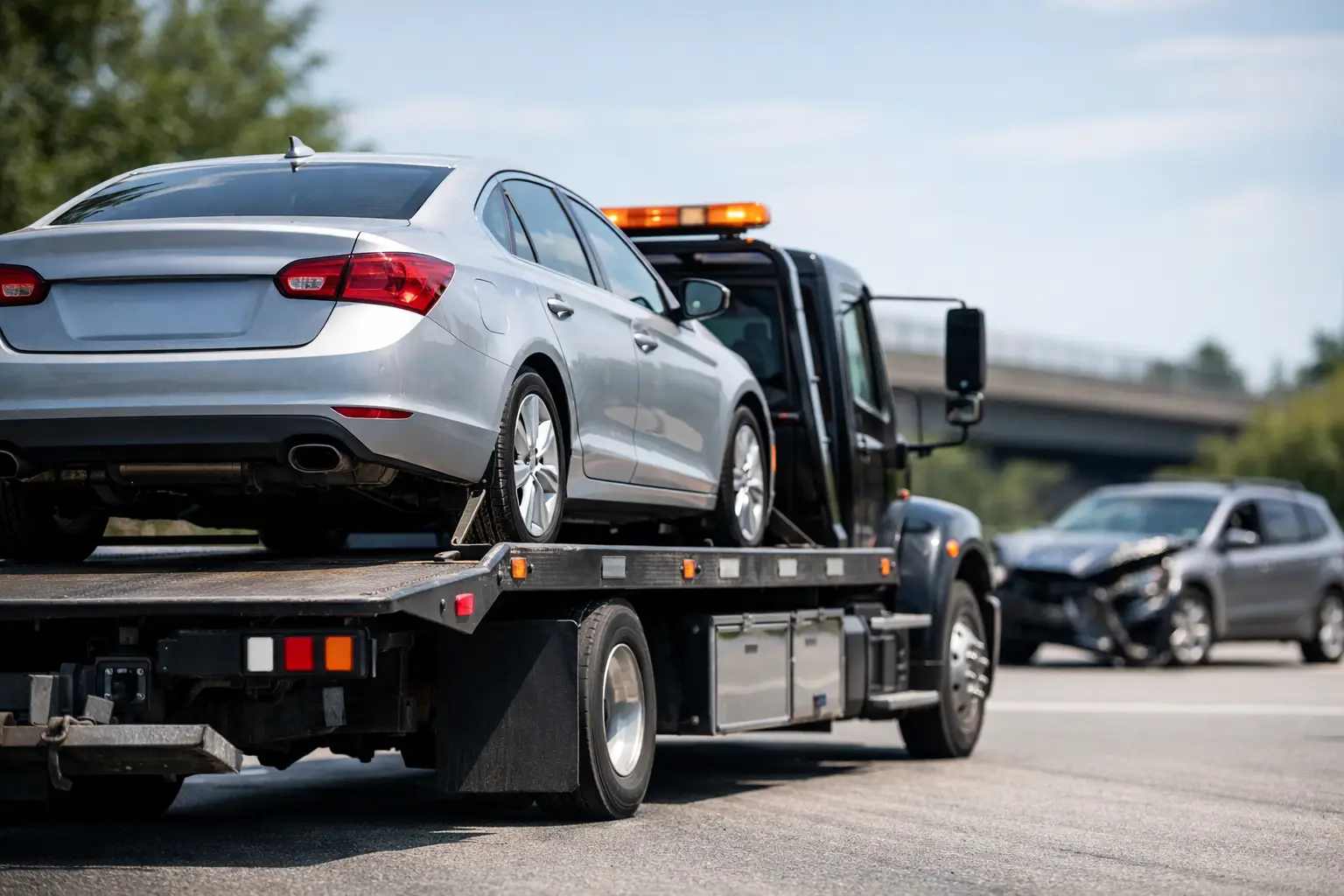
Flatbed towing is used to transport vehicles that should not be pulled with two wheels on the road. Instead of lifting one end and towing the rest behind, the operator loads the entire vehicle onto a platform truck. The vehicle is then secured in place and hauled without rolling contact.
That setup is especially useful after accidents, mechanical failures, tire blowouts, suspension damage, and situations where a vehicle cannot be driven or should not be dragged. It is also commonly used for long-distance transport, specialty vehicles, motorcycles, and vehicles with low ground clearance.
The key benefit is simple: less movement, less strain, and a lower chance of added damage during the tow.
Why flatbed towing is often the safer option
Not every tow requires a flatbed, but many do. If a car has transmission trouble, locked wheels, severe front-end or rear-end damage, or unknown drivetrain issues, flatbed transport avoids the risk that comes with rolling part of the vehicle down the road.
That matters more with modern vehicles than many drivers realize. All-wheel-drive systems, lower body panels, custom wheels, and advanced suspensions can all be more sensitive to improper towing methods. A flatbed gives the tow operator a controlled loading angle and full support under the vehicle.
This is also why flatbed towing is often preferred after a crash. Even if the vehicle looks drivable, hidden damage underneath can make a standard tow a bad call. A trained operator can assess the condition and choose the safer transport method before the vehicle moves another foot.
Vehicles that commonly need flatbed towing
When people ask what is flatbed towing used for, the answer depends partly on the type of vehicle. Some vehicles are strong candidates for flatbed transport almost every time.
Luxury cars and sports cars are a common example because they often sit low to the ground and can scrape easily on steep loading angles. Motorcycles also benefit from flatbed towing because they need stable upright securing rather than being pulled behind a truck. SUVs and pickup trucks with drivetrain damage may need a flatbed as well, especially if towing with wheels on the ground could affect the transmission or transfer case.
Flatbeds are also used for classic cars, show cars, project vehicles, and vehicles that are not currently registered or road-ready. If the goal is to protect the vehicle, not just move it, a flatbed is usually the better tool.
Common situations where a flatbed tow makes sense
A breakdown is the obvious one, but it is far from the only reason. Flatbed towing is often the best choice when a vehicle has a dead engine and cannot be safely steered or controlled under its own power. It is also a smart option after a collision, when one or more tires are missing, when a wheel is bent, or when the suspension has collapsed.
Drivers also call for flatbed towing after hitting road debris, dropping into a ditch, or dealing with flood exposure. In South Louisiana, water-related vehicle trouble is not rare. If a vehicle has been in standing water, minimizing additional movement and getting it transported securely can help avoid further issues.
Planned transport is another major use. Dealership deliveries, moving a vehicle to a repair shop, taking a non-running car to a buyer, or shipping a motorcycle across town are all jobs that fit flatbed towing well.
Flatbed towing vs. wheel-lift towing
The right method depends on the condition of the vehicle, the distance, and how quickly it needs to be moved. Wheel-lift towing can be effective for certain short-distance jobs, especially when the vehicle is in stable condition and access is tight. It is often efficient and practical for standard cars that do not have damage affecting wheels, steering, or drivetrain components.
Flatbed towing, though, offers a higher level of protection. Since the vehicle rides fully on the truck bed, there is no tire contact with the road during transport. That reduces wear and eliminates concerns about rolling a damaged axle, dragging a low bumper, or stressing transmission components.
There is a trade-off. Flatbeds may require a little more space to position and load, especially in cramped areas. In some situations, the operator must work around narrow streets, parking decks, or blocked traffic lanes. That is why dispatching the right truck matters. Fast service is not just about arrival time. It is about sending equipment that fits the job the first time.
What happens during a flatbed tow
The process is straightforward when handled by trained professionals. The operator first checks the vehicle condition, surrounding space, wheel position, and any visible hazards. The flatbed is then tilted, and the vehicle is either winched or driven onto the platform, depending on whether it is operable.
Once on the bed, the vehicle is secured using professional tie-down points and safety checks. This step is critical. Proper securement prevents shifting during transport and protects both the vehicle and nearby drivers on the road.
For customers, the main advantage is peace of mind. Your vehicle is loaded, secured, and transported in one stable position. That is exactly what many drivers want after an accident or breakdown, when the last thing they need is more uncertainty.
When flatbed towing may be the best value
Some drivers assume flatbed towing is only for expensive vehicles. That is not really the right way to look at it. The better question is whether the tow method reduces risk.
If a cheaper tow option creates even a small chance of scraping bodywork, stressing a damaged drivetrain, or causing tire or alignment issues, the lower upfront price may not save money at all. A flatbed can be the better value when it protects you from avoidable repair costs.
That is especially true for longer hauls. The farther a vehicle needs to travel, the more benefit you get from keeping all four wheels off the road. For local and long-distance transport, secure loading can make a real difference.
Choosing a towing company for flatbed service
Not every towing call needs the same response, and that is why experience matters. The company should ask about your vehicle type, whether it has collision damage, if the wheels turn, whether it is all-wheel drive, and where it is located. Those details help determine if a flatbed is necessary and how to dispatch correctly.
You should also look for a licensed and insured provider with trained tow operators and equipment built for safe loading. Speed matters when you are stranded, but safe handling matters just as much. A rushed tow with the wrong truck can create more trouble than the original breakdown.
For drivers in Kenner and New Orleans, working with a local company that understands the roads, traffic patterns, and recovery conditions can save time when every minute counts. If you need flatbed towing, roadside help, or vehicle transport, Zain Towing LLC is available 24/7 at https://zaintowing.net/.
What is flatbed towing used for? Usually, peace of mind
Most people do not think about tow methods until something goes wrong. Then it becomes a simple question with a practical answer: what gets the vehicle moved safely, quickly, and without adding damage? In a lot of cases, that answer is flatbed towing.
If your vehicle is low, damaged, non-running, all-wheel drive, or simply too important to risk, asking for a flatbed is a smart move. The right tow should solve the problem, not create a second one. When you are stuck on the roadside or planning a vehicle move, a secure transport method gives you one less thing to worry about.
Need help right now?
Zain Towing runs 24/7 in Kenner, New Orleans, Metairie, Harahan and Gretna. Call (504) 666-9099 or see our towing service, roadside assistance and New Orleans pages.