
What Is Wheel Lift Towing Method?
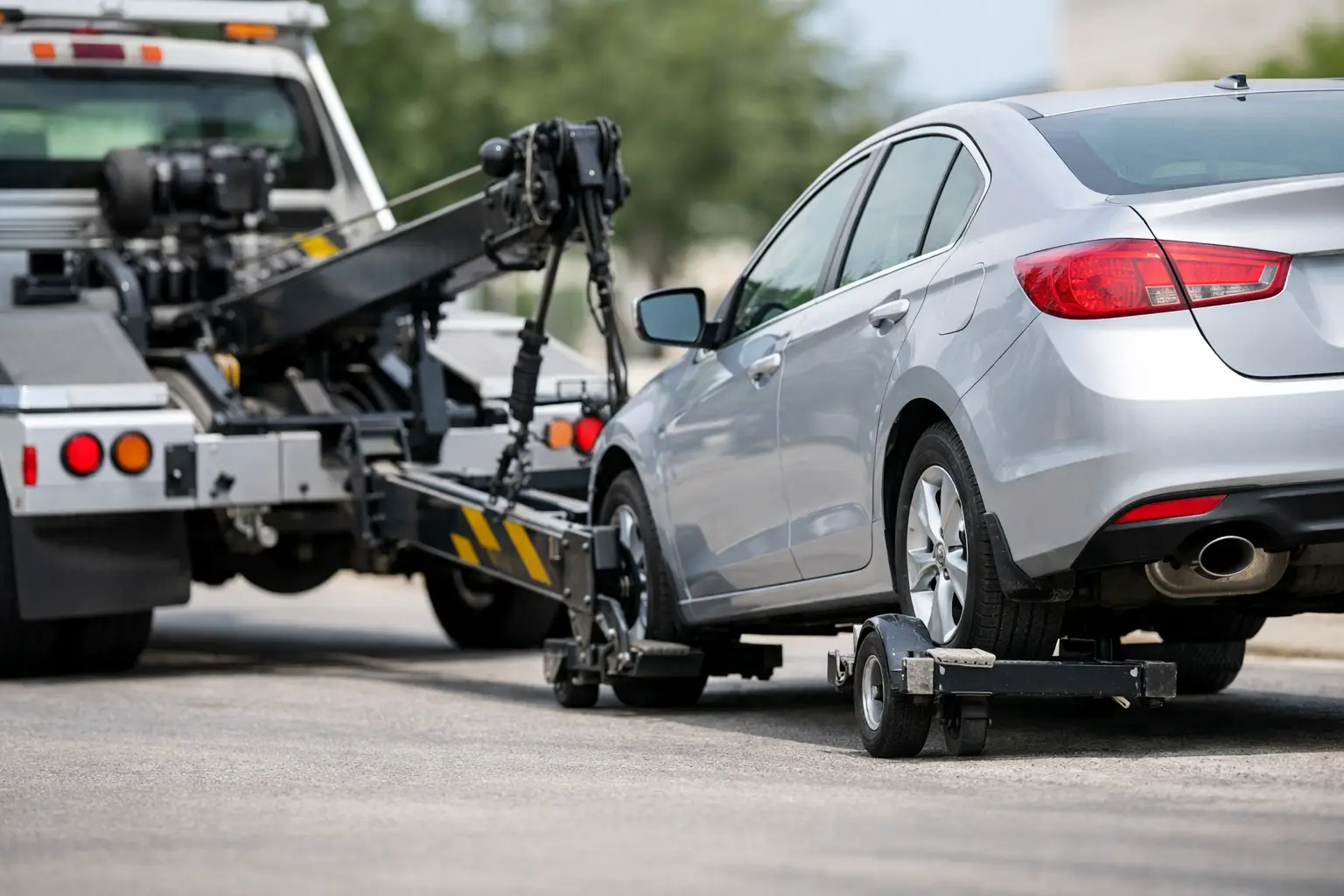
A lot of drivers do not think about towing equipment until they are stuck on the shoulder, in a parking garage exit, or blocking traffic after a breakdown. In that moment, one question comes up fast: what is wheel lift towing method, and is it safe for my vehicle? The short answer is that it is a towing technique that lifts one end of the vehicle by the wheels and tows it with the other end rolling on the road.
For many everyday towing situations, a wheel lift is one of the fastest and most practical options available. It is commonly used for cars, some SUVs, and light trucks when the vehicle can be moved safely without needing all four wheels off the ground. It is not the right fit for every vehicle, but when matched correctly, it is efficient, controlled, and cost-effective.
What is wheel lift towing method and how does it work?
The wheel lift towing method uses a metal yoke or cradle that slides under either the front or rear wheels of a vehicle. The tow operator secures those wheels, lifts that end of the vehicle off the ground with hydraulic power, and then tows the vehicle while the opposite set of wheels stays on the road.
If you have seen a tow truck lift a car from underneath rather than pulling it fully onto a flatbed, that was likely a wheel lift tow. Modern wheel lift systems are built to handle vehicles more gently than older hook-and-chain setups. Instead of attaching chains directly in ways that may put stress on the frame or bumper, the lift engages the tires more directly and gives the operator better control.
That matters because towing is not just about moving a vehicle. It is about moving it without creating new damage. A trained operator checks the drivetrain, wheel condition, ride height, steering position, and overall vehicle stability before deciding whether a wheel lift is the right call.
Why wheel lift towing is often used
The biggest advantage is speed. A wheel lift truck can usually hook up and clear a vehicle quickly, which is especially helpful when a car is stalled in traffic, parked in a tight lot, or creating a safety hazard on the roadside.
It is also useful in places where a flatbed may have trouble lining up or loading. Narrow streets, low-clearance areas, and crowded parking spaces can make wheel lift towing the more practical option. For local towing jobs, repossessions, breakdown recovery, and short-distance transport, this method is often the fastest way to get a disabled vehicle out of the way and on the move.
There is also a cost factor. In some cases, wheel lift towing can be more affordable than a flatbed because the loading process is simpler and faster. That said, the cheaper option is not always the better option. The right towing method depends on the vehicle and the situation.
When a wheel lift tow is a good fit
Wheel lift towing works well for many front-wheel-drive or rear-wheel-drive vehicles, depending on which end is lifted and how the drivetrain is configured. It is commonly used when a vehicle has a mechanical problem but still has a rollable axle, or when the vehicle needs to be moved from a difficult location.
For example, if a sedan will not start in a shopping center parking lot, a wheel lift may be the most efficient way to tow it to a repair shop. If a car has a dead battery, engine failure, or minor front-end issue but the tires and suspension are still in towable condition, a wheel lift can often handle the job safely.
It is also a common choice for quick relocations and short hauls. If the vehicle needs to be moved a reasonable distance and the operator has confirmed the setup is safe, a wheel lift can save time without sacrificing control.
When wheel lift towing may not be the best option
This is where the details matter. Not every vehicle should be towed with a wheel lift.
All-wheel-drive vehicles are a major example. Many AWD systems can be damaged if two wheels are on the road while the other two are lifted, unless the vehicle is handled with special equipment such as dollies or loaded fully onto a flatbed. The same concern can apply to some four-wheel-drive vehicles.
Low-clearance vehicles can also be a problem. Sports cars, lowered cars, and some luxury vehicles may sit too low for safe wheel lift engagement without risking bumper, fascia, or undercarriage damage. In those cases, a flatbed is usually the safer choice.
A severely damaged vehicle is another situation where wheel lift towing may not be appropriate. If the wheels are broken, the suspension is compromised, the steering is locked in a dangerous position, or fluids are leaking heavily, a flatbed usually provides better support and safer transport.
Motorcycles, specialty vehicles, and certain oversized vehicles also require different towing approaches. That is why a real towing company does not treat every job the same. The dispatch team asks questions, sends the right truck, and makes the decision based on safety first.
Wheel lift towing vs. flatbed towing
Drivers often want to know which method is safer. The honest answer is that it depends on the vehicle.
Flatbed towing puts the entire vehicle on the truck. All four wheels are off the road, which reduces wear during transport and is often the preferred method for luxury cars, AWD vehicles, damaged vehicles, and long-distance hauling. If maximum isolation from the road is the goal, flatbed towing is hard to beat.
Wheel lift towing, on the other hand, is faster in many routine situations and works very well for the right type of vehicle. It is not automatically less safe. When performed by a trained, licensed, and insured operator using the right equipment, it is a reliable towing method for a wide range of standard vehicles.
The real issue is not which method sounds better. It is whether the tow company is matching the method to the vehicle correctly. That decision protects the transmission, suspension, tires, and bodywork.
What a professional operator checks before using a wheel lift
Before towing begins, the operator should confirm several things. The vehicle type matters first, including whether it is front-wheel drive, rear-wheel drive, AWD, or 4WD. Tire condition matters too, because badly damaged or flat tires can affect how safely the vehicle can be secured and moved.
The operator also looks at ground clearance, visible accident damage, steering condition, and whether the car can roll freely. If any of those points raise concern, the towing plan changes. That could mean using dollies, changing the lift point, or switching to a flatbed altogether.
This is one reason professional towing matters. The truck itself is only part of the equation. Training, judgment, and secure handling make the difference between a routine tow and a costly mistake.
Is the wheel lift towing method safe?
Yes, when it is used on the right vehicle in the right conditions. Modern wheel lift towing is designed to be much safer and cleaner than the older towing methods many people still picture.
But safe towing is not just about equipment. It is about proper setup, correct vehicle identification, secure attachment, and careful driving during transport. A rushed hookup or the wrong towing choice can create problems, especially with newer vehicles that have more sensitive drivetrain systems.
That is why drivers should not guess. If you are stranded and unsure what your vehicle needs, the best move is to tell the dispatcher your make, model, problem, and location. A professional team can determine whether a wheel lift is appropriate or whether a flatbed should be sent instead.
What drivers in Kenner and New Orleans should know
In a busy area like Kenner and New Orleans, speed matters. If your vehicle is blocking a lane, stuck in a hotel lot, or disabled on a local road, getting the right truck out fast can reduce stress and lower risk. Wheel lift towing is often a smart option for quick-response local service because it allows operators to hook up efficiently and clear the scene.
At the same time, local traffic, tight parking areas, and unpredictable road conditions make experience even more important. A trained team knows when a wheel lift is the practical answer and when a flatbed is the safer call. That is the standard at Zain Towing LLC - send the right equipment, handle the vehicle carefully, and keep the process moving without cutting corners.
If you ever find yourself asking what is wheel lift towing method, you are probably already dealing with a breakdown, accident, or urgent move. The helpful thing to remember is simple: wheel lift towing can be a safe, fast solution for many vehicles, but the best tow is always the one matched to your car by a professional who puts damage prevention first.
Need help right now?
Zain Towing runs 24/7 in Kenner, New Orleans, Metairie, Harahan and Gretna. Call (504) 666-9099 or see our towing service, roadside assistance and New Orleans pages.