
What to Do When Car Won’t Start Roadside
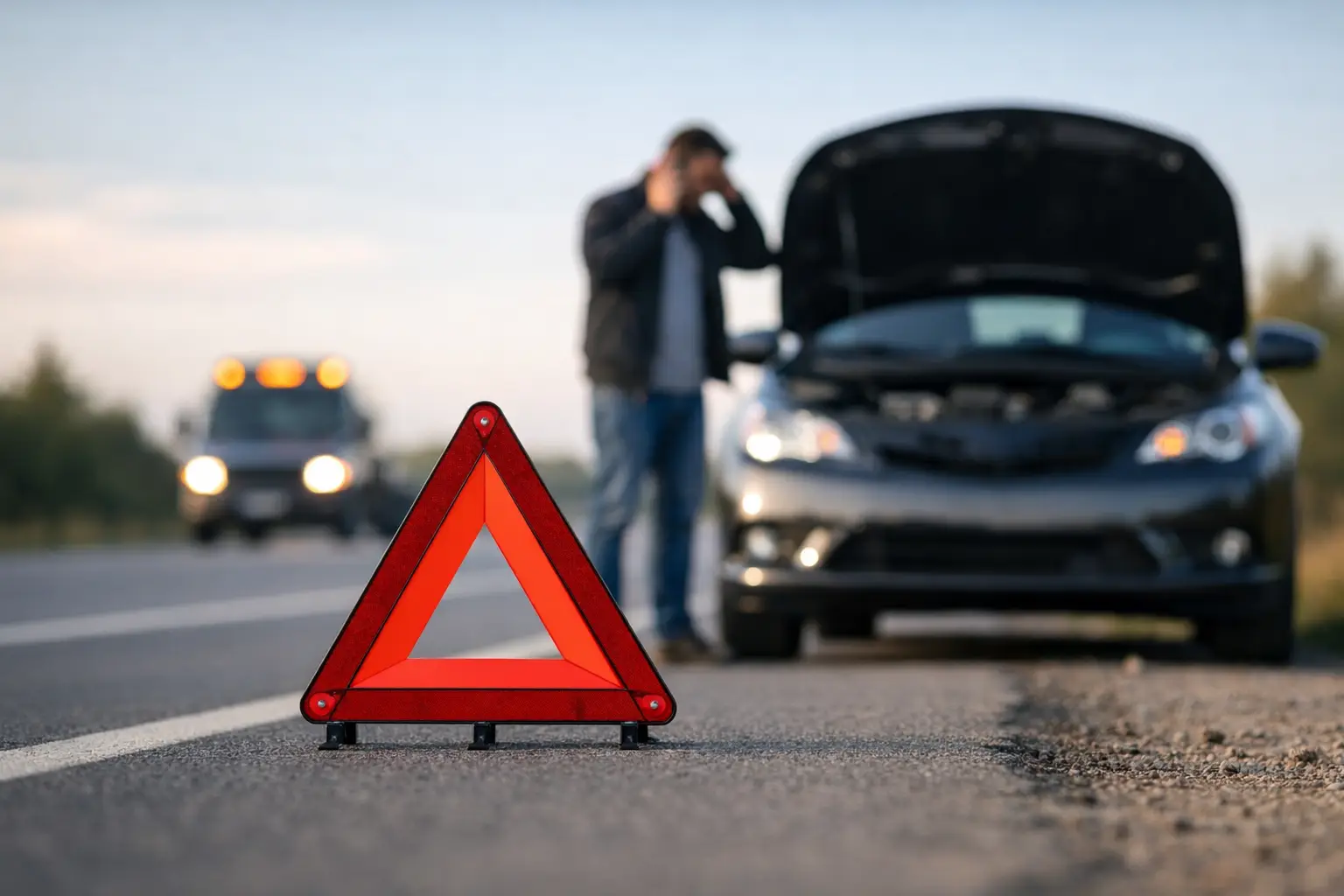
You turn the key or press the start button, and nothing happens - or worse, the engine tries to turn over but never catches. If you are wondering what to do when car won’t start roadside, the first priority is not fixing the car. It is protecting yourself, your passengers, and everyone around you while you figure out whether this is a quick issue or a job for roadside assistance.
A stalled or no-start situation can feel a lot worse on the shoulder of I-10, on a dark Kenner side street, or in a crowded New Orleans parking lot than it would at home. Traffic, heat, low visibility, and the stress of being stranded all change the equation. The right next step depends on where you are, what the car is doing, and whether it is safe to stay put.
What to do when car won’t start roadside: start with safety
If your car is in a travel lane, partly blocking traffic, or sitting in a dangerous spot like a blind curve, narrow shoulder, or flooded street, stay focused on visibility first. Turn on your hazard lights right away. If it is safe to do so, move the vehicle out of traffic and onto the shoulder or into a parking lot. If the steering feels normal and the brakes still work, a dead engine does not always mean you cannot coast to a safer place.
Once you are stopped, put the vehicle in park and set the parking brake. At night, keep the interior dome light on only if it helps you gather what you need. If the battery seems weak, avoid draining it further with unnecessary electronics.
It is not always smart to get out and inspect the car yourself. On a busy highway, it may be safer to remain inside with your seat belt on and call for help. If you do exit, use the passenger side away from traffic when possible. If you have reflective triangles or flares and conditions are safe, set them out to improve visibility.
Figure out what the car is doing
Before anyone can help you, including a dispatcher or tow operator, it helps to describe the symptom clearly. There is a difference between a no-crank issue and a crank-no-start issue.
If you turn the key and hear nothing, or just a single click, the battery, starter, battery connections, or ignition system may be the problem. If the engine turns over normally but will not start, the issue could involve fuel delivery, spark, security systems, or another mechanical fault. If the dashboard lights are very dim or flickering, that points more strongly to battery or electrical trouble.
This matters because some roadside calls can be solved on the spot with a jump-start or minor adjustment. Others need a tow to avoid wasting time and risking damage.
Quick checks you can safely make
A few simple checks are worth doing, but only if you can do them safely and without standing in traffic. Keep it basic. Roadside is not the place for major diagnostics.
First, make sure the car is fully in park. A surprising number of no-start calls come down to the shifter not being seated properly. If you drive a manual, press the clutch firmly and try again. Some vehicles will not start unless the brake pedal is pressed too, so give that another try if you use push-button ignition.
Next, check the obvious. Do you actually have fuel? A bad fuel gauge can mislead you, especially if you have been driving on empty. If you recently filled up and the car suddenly will not start, that points away from low fuel and more toward battery or engine issues.
If the battery terminals are visible and easy to access, look for severe corrosion or a loose connection. Do not start pulling cables off on the roadside if you are not sure what you are doing. A visible problem helps explain the issue, but it does not mean you should attempt a repair in an unsafe location.
Try turning off everything electrical, including the AC, radio, phone chargers, and headlights, then attempt one more start. If the battery is weak, reducing electrical load can sometimes make the difference. If the engine starts, do not shut it off again until you reach a safe destination or service location.
When a jump-start makes sense
If the engine will not crank and you have dim lights, rapid clicking, or total electrical loss, a dead battery is likely. In that case, a jump-start may get you moving again. But there are trade-offs.
If you have jumper cables and another vehicle is available, only attempt a jump if you know the proper sequence and can do it in a safe place. Incorrect connections can damage electronics, and modern vehicles are less forgiving than older cars. If you are on a narrow shoulder, in heavy rain, or unsure about the process, it is better to call a trained roadside provider.
Even if the jump works, the battery may not be the only issue. An old battery, failing alternator, or bad connection can leave you stranded again a few miles later. That is why many drivers choose professional roadside service instead of gambling on a temporary fix.
Signs you should stop trying to restart it
Sometimes repeated attempts do more harm than good. If you smell fuel, hear grinding, notice smoke, or see warning lights tied to oil pressure or engine temperature, stop trying to start the car. The same goes if the vehicle recently overheated or shut off while driving.
A car that clicks once and then goes dead, or one that cranks slower each time, is unlikely to improve with repeated attempts. A vehicle that cranks strongly but never fires may have a deeper issue that roadside troubleshooting will not solve. At that point, the smart move is to request roadside help or a tow before the battery is drained completely.
What to tell roadside assistance or a tow company
When you call, speed matters, but clear information matters too. The more accurate you are, the faster the right truck and operator can be dispatched.
Be ready with your exact location, including nearby exits, cross streets, business names, or landmarks. Say whether you are on the shoulder, in a parking garage, at home, or blocking traffic. Give the year, make, model, and color of the vehicle, and mention if it is an SUV, truck, motorcycle, or something larger.
Describe what the car does when you try to start it. Does it click, crank, stay silent, or show lights on the dash? Mention flat tires, steering lock, accident damage, or if the vehicle is stuck in mud or a ditch. These details change what equipment is needed.
If you are in Kenner or the New Orleans area and need fast, safe roadside help, Zain Towing LLC handles jump-starts, roadside assistance, and towing 24/7 with trained operators and properly equipped trucks.
When towing is the better call
A lot of drivers wait too long to tow because they hope for a quick fix. That is understandable, but roadside conditions are not a workshop. If the vehicle will not start after a safe basic check, or if you suspect something beyond the battery, towing can save time and prevent more serious damage.
This is especially true for newer vehicles with sensitive electronics, hybrids, vehicles that have overheated, and cars showing multiple warning lights. It also matters if you are traveling with children, stuck late at night, or stranded in an area where waiting around is not ideal. In those situations, the best outcome is not proving you can diagnose the issue. It is getting the vehicle moved safely and getting yourself out of a stressful spot.
Flatbed towing is often the safest choice when the cause is unknown, particularly for all-wheel-drive vehicles, low-clearance cars, motorcycles, or anything with possible drivetrain problems. Secure loading and damage prevention matter just as much as response time.
What to keep in your car for the next time
Even careful drivers end up stranded sometimes. A small roadside kit makes these situations easier to manage. Keep jumper cables or a jump pack, a flashlight, a phone charger, bottled water, and basic reflective gear in the vehicle. A tire pressure gauge and simple work gloves help too.
It is also smart to know where your wheel lock key is, keep your fuel level above empty when possible, and replace weak batteries before they fail on a hot Louisiana day. Heat is hard on batteries, and many no-start calls show up without much warning.
What to do when car won’t start roadside in bad weather or at night
The answer changes a little when visibility is poor or weather is severe. Heavy rain, flooding, and nighttime traffic all raise the risk level. In those cases, do less roadside troubleshooting, not more.
If your car is in a safe place, stay inside, keep hazards on, and call for help. Avoid standing in puddles near the vehicle or opening the hood in lightning or severe weather. If the area is dark and isolated, sharing your location with a family member while waiting can add peace of mind.
Being stranded is frustrating, but it does not have to turn into a bigger problem. Stay visible, make a few smart checks, and know when it is time to stop troubleshooting and get professional help. The fastest way forward is often the safest one.
Need help right now?
Zain Towing runs 24/7 in Kenner, New Orleans, Metairie, Harahan and Gretna. Call (504) 666-9099 or see our towing service, roadside assistance and New Orleans pages.