
What to Tell a Tow Truck Dispatcher Fast
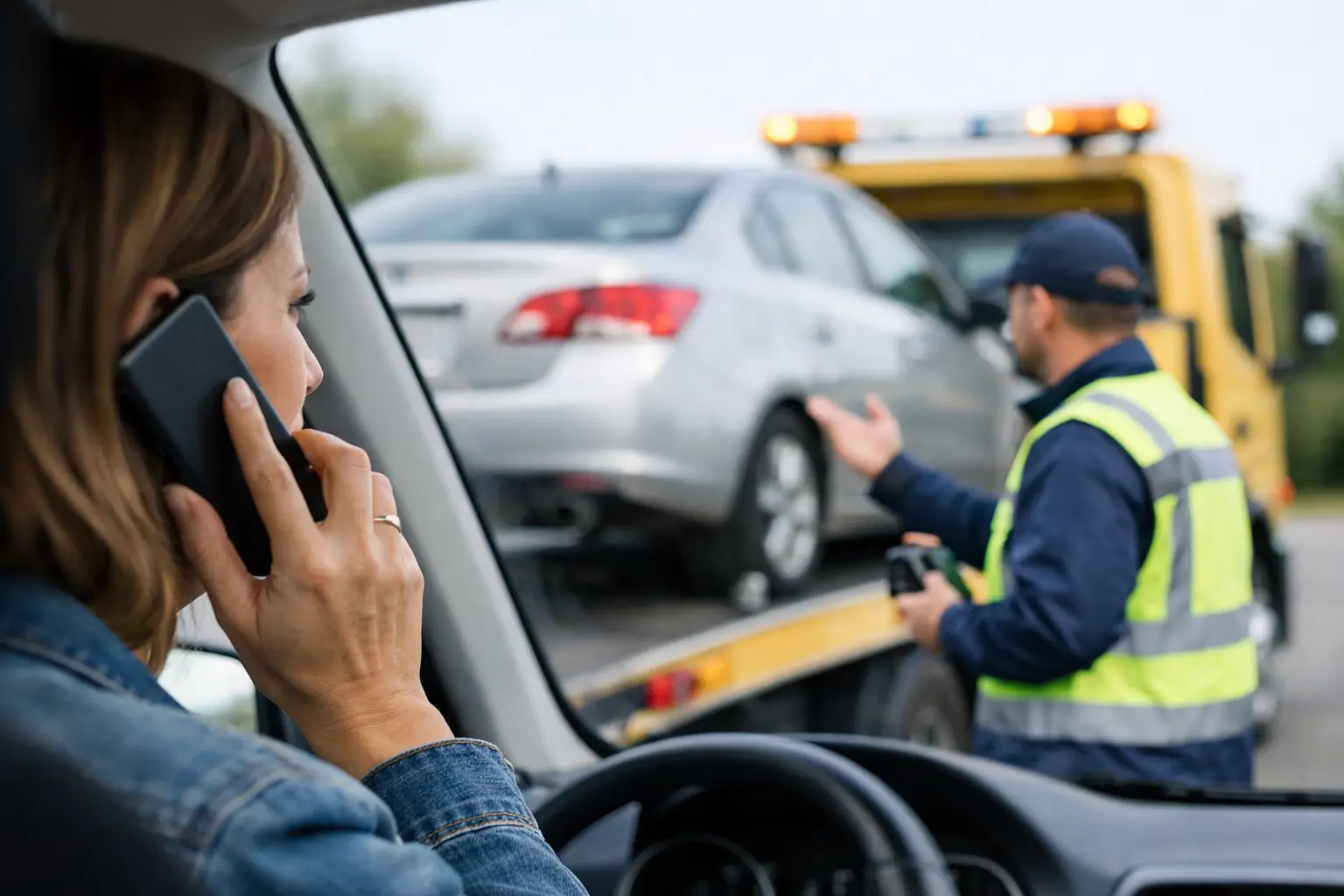
When your car dies on the shoulder, the question is not just who to call. It is what to tell tow truck dispatcher so the right truck gets sent without delays. A clear 60-second call can save you a long wait, prevent the wrong equipment from showing up, and help the driver reach you safely.
In Kenner and New Orleans, that matters. Traffic moves fast, weather changes quickly, and a disabled vehicle in the wrong spot can turn stressful in a hurry. If you are calling for towing or roadside help, the dispatcher needs a few specific details right away.
What to tell tow truck dispatcher first
Start with your exact location. This is always the first priority because the dispatcher cannot send help if they do not know precisely where you are. Give the street name, nearest address, cross street, highway mile marker, exit number, parking lot section, or any landmark that makes your location easy to find.
If you are on a highway, tell them which direction you are facing and which side of the road you are on. Saying "I am on I-10 near Exit 223, eastbound, right shoulder" is much more useful than saying "I am near the interstate." In a city lot or apartment complex, include gate codes, building numbers, or where the vehicle is parked.
Next, tell them what happened. Keep it short and practical. The dispatcher does not need a full story. They need the type of problem so they can send the right service. Say whether the vehicle will not start, has a flat tire, was in an accident, is stuck, is overheated, has engine trouble, or needs transport from one location to another.
Then give your vehicle details. At minimum, share the year if you know it, make, model, color, and license plate if visible. Also mention whether it is a car, SUV, pickup, van, motorcycle, or something larger. This helps dispatch match your vehicle to the proper truck and equipment.
The details that speed up dispatch
A lot of delays happen because callers leave out details that seem small but actually matter. One of the biggest is whether the vehicle can roll and steer. If the wheels are locked, the steering is damaged, the car is in neutral only, or it cannot be moved safely, say that up front. That changes the equipment needed.
You should also mention if your vehicle sits low, has all-wheel drive, has custom wheels, or needs flatbed towing. Some vehicles can be towed more safely on a flatbed to avoid damage. If you are not sure, say so. A good dispatcher will ask the right follow-up questions.
Another key detail is where the vehicle needs to go. If you need a tow, have the destination ready before you call if possible. That could be your home, a repair shop, a dealership, a body shop, or another city. If you do not know yet, tell the dispatcher that too. It is better to be honest than to guess and change the job midway.
If you are requesting roadside service instead of a tow, be clear about that. A dead battery, lockout, fuel delivery, or tire change may not require a tow truck with the same setup as a full transport job. The more precise you are, the faster the dispatcher can send the right operator.
What to say if you are in a dangerous spot
Safety changes the call. If your vehicle is blocking traffic, sitting on a narrow shoulder, stopped in a curve, or stranded in a flooded area, tell the dispatcher immediately. If you were in an accident, mention whether police are on scene and whether the vehicle is drivable.
If anyone is injured, call 911 first. A tow company can handle the vehicle, but emergency medical response comes before towing. Once that is handled, the tow dispatcher can coordinate around the scene conditions.
It also helps to describe hazards around the vehicle. Let them know if there is smoke, leaking fluid, a blown tire in traffic, a dead battery in a dark parking lot, or if you are stuck in mud, a ditch, or standing water. Those conditions affect both safety and equipment choices.
A simple script you can use on the call
If you are stressed, follow a basic order. Start with your location, then your vehicle, then the problem, then the destination. That keeps the call efficient.
You can say something like this:
"I need a tow. I am at 2400 Williams Boulevard in Kenner, near the entrance to the parking lot. My vehicle is a black 2018 Toyota Camry. It will not start, and I need it taken to my mechanic on Airline Drive. The car rolls, the steering works, and I am parked safely. My phone number is [your number]."
If the situation is more urgent, adjust the script:
"I need help on I-10 eastbound near Exit 221 on the right shoulder. I have a white Ford F-150 with a flat tire, and I am in a dangerous spot close to traffic. I need roadside tire service if possible. If not, I need a tow to my house in Metairie."
That kind of call gives dispatch almost everything needed in one pass.
What a dispatcher will probably ask you
Even if you call prepared, expect a few follow-up questions. That is normal. Dispatch needs to confirm the details before sending a truck.
They may ask for your callback number, whether you have the keys, whether the vehicle is occupied, whether it was in a collision, whether it is in a garage with height restrictions, or whether the vehicle can be accessed easily. If the car is in a tight lot, underground garage, muddy shoulder, or behind another vehicle, say so early.
Payment and timing may come up too. Some callers want an ETA first. Others want pricing first. Both are fair questions, but the most accurate quote and arrival estimate depend on the details you provide. A dispatcher can usually move faster when they do not have to pull basic information out piece by piece.
Mistakes that slow down your tow
The most common mistake is giving a vague location. "Near downtown" or "by the gas station" is rarely enough. Another one is forgetting to mention damage that affects loading, like missing wheels, front-end collision damage, or a locked transmission.
People also sometimes describe the issue incorrectly because they are guessing. If you think it is the battery but you are not sure, say "the vehicle will not start" instead of diagnosing it. That keeps the dispatcher focused on symptoms, not assumptions.
Changing the destination after the truck is already on the way can also create delays and pricing changes. If there is any uncertainty, mention it during the first call. That gives you a cleaner answer and avoids confusion later.
If you are calling for someone else
This happens often with family members, employees, or stranded friends. If you are not with the vehicle, tell the dispatcher right away. Give the stranded driver's name and number, plus your own. Make sure the person on scene knows help is coming and has the keys if needed.
It also helps to explain who will approve the service and where the vehicle should go. Third-party calls are manageable, but only if communication is clear. Otherwise, the truck can arrive and lose time trying to verify the job.
Why clear information matters
Towing is not one-size-fits-all. A compact sedan in a grocery store lot, a pickup on the interstate shoulder, and an SUV with accident damage all require different handling. Dispatch is matching urgency, safety risk, truck type, and operator skill in real time.
That is why the best answer to what to tell tow truck dispatcher is this: tell them exactly where you are, exactly what you drive, exactly what is wrong, and exactly where the vehicle needs to go. Add any safety risks or loading problems, and the process gets much smoother.
At Zain Towing LLC, the goal is simple - fast dispatch, safe handling, and no wasted time when you are already dealing with enough. If you keep your call clear and direct, you give the dispatcher what they need to get the right help moving now.
Before you make the call, take one breath and look around. Get your location, vehicle details, and destination straight. That one minute of clarity can make the next thirty a lot easier.
Need help right now?
Zain Towing runs 24/7 in Kenner, New Orleans, Metairie, Harahan and Gretna. Call (504) 666-9099 or see our towing service, roadside assistance and New Orleans pages.