
Best Questions for Towing Companies Before You Call
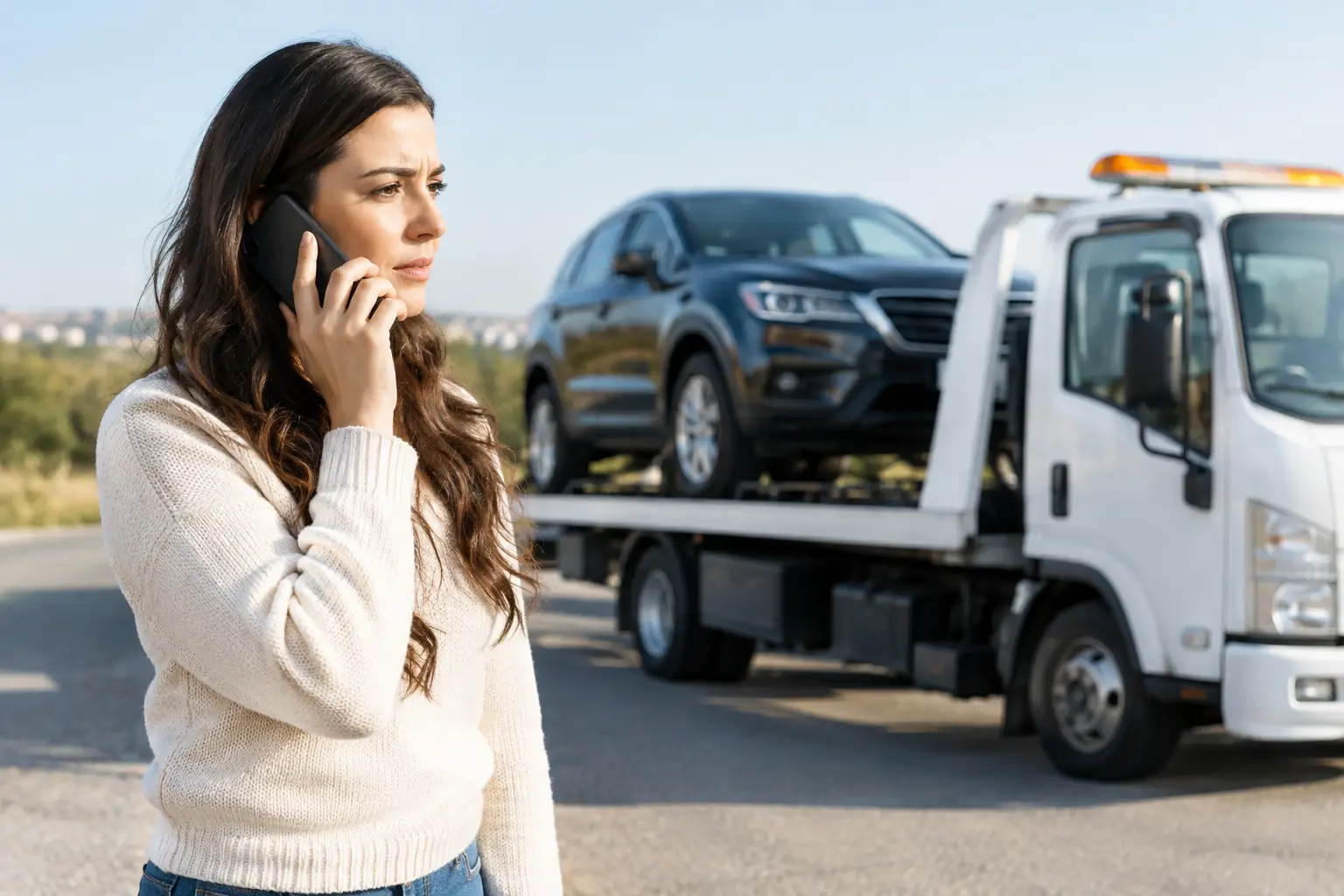
A dead battery on I-10, a flat tire after dark, or a car that will not start in a parking lot can make every minute feel longer. Asking the best questions for towing companies before a truck is dispatched helps you avoid surprise charges, confirm the right equipment is coming, and protect your vehicle from pickup through delivery.
You do not need to know towing terminology or diagnose the problem yourself. A professional dispatcher should make the process simple: gather your location, vehicle details, destination, and immediate safety needs, then send the appropriate operator. The right questions give you a clear plan while you focus on getting to a safe place.
Start With Safety and Arrival Time
If you are stopped on a busy road, in an unsafe area, or involved in an accident, tell the dispatcher immediately. Your location and conditions matter as much as the vehicle problem. Give the nearest cross streets, exit number, business name, parking lot section, or visible landmark. If your phone map shows a pin, confirm that the dispatcher can use it.
Ask, “How soon can a truck reach my location?” A realistic arrival estimate is more useful than a vague promise. Traffic, weather, police activity, distance, and the type of truck needed can all affect response time. A reliable company should communicate if conditions change rather than leave you wondering where help is.
Also ask what you should do while waiting. In many situations, the safest choice is to move away from traffic, turn on hazard lights when appropriate, and stay in a well-lit area. If the vehicle is in a dangerous position, let the dispatcher know before discussing the destination or payment.
Best Questions for Towing Companies About Price
Price matters, especially when a breakdown was not in the budget. Ask for a clear quote or an explanation of how the charge is calculated before approving service. A towing price may include a hookup fee, mileage, and any special service required for your vehicle or location.
Ask these details in plain language: Is there a base towing charge? How many miles are included? What is the rate after included mileage? Are there additional charges for after-hours service, a difficult recovery, storage, tolls, or a vehicle that cannot roll or steer?
Not every tow can be priced exactly over the phone. A vehicle in a ditch, garage, flood area, accident scene, or tight parking structure may require extra labor or specialized recovery equipment. That does not mean you should accept an unclear answer. Ask what could change the estimate and request a call before any non-routine charges are added when possible.
For roadside help, confirm whether you need a jump-start, tire change, lockout service, fuel delivery, or a tow. A quick fix may cost less and get you moving faster, but it depends on the condition of the vehicle. If the battery will not hold a charge, the tire sidewall is damaged, or the engine warning light is serious, towing may be the safer option.
Confirm the Right Truck and Equipment
The wrong equipment can delay service or create avoidable risk. Tell the dispatcher the year, make, model, and condition of your vehicle. Mention whether it is all-wheel drive, four-wheel drive, lowered, electric, hybrid, oversized, heavily loaded, or unable to shift into neutral. These details help determine whether a flatbed, wheel-lift, dolly, or another setup is appropriate.
Ask, “What type of truck will you send for my vehicle?” Flatbed towing is often a preferred choice for all-wheel-drive vehicles, damaged cars, luxury vehicles, motorcycles, and vehicles needing extra protection during transport. A wheel-lift tow can be efficient for many local situations, but the correct method depends on the vehicle and its condition.
Be direct about special circumstances. A truck, SUV, RV, boat trailer, or medium-duty vehicle may require different capacity than a standard passenger car. If your car is in a garage, stuck in mud, has a broken wheel, or is blocked by another vehicle, say so upfront. Accurate information lets the company dispatch the right operator the first time.
Ask About Licensing, Insurance, and Vehicle Care
A tow is more than moving a vehicle from Point A to Point B. Your car needs to be secured correctly, transported safely, and delivered where you authorize. Ask whether the company is licensed and insured and whether its operators are trained to handle your vehicle type.
You can also ask how the vehicle will be secured and whether the driver will document existing damage before transport. This is especially helpful after an accident or when towing a vehicle with low clearance, body damage, or mechanical issues. A professional operator should inspect the situation, use proper tie-down methods, and avoid careless handling.
If you drive an electric or hybrid vehicle, mention it before dispatch. These vehicles can have manufacturer-specific towing requirements, and improper towing can damage the drivetrain or electrical components. The same caution applies to vehicles with air suspension, custom wheels, or modified suspensions.
Do not forget the destination. Ask whether the company can deliver to your repair shop, home, dealership, or another approved location. If the shop is closed, find out where the vehicle can be placed and whether you need to leave keys with the driver. Confirm the address, gate code, service department instructions, and your preferred contact number before the truck leaves.
Know What Happens When the Tow Truck Arrives
When the operator arrives, verify that the truck and driver match the dispatch details. If anything feels unclear, call the company directly before handing over keys or approving additional work. A legitimate provider should be able to confirm the service request, vehicle description, destination, and quoted pricing.
Ask the driver to walk you through the plan if your vehicle has special handling needs. You should know whether you can ride with the tow truck, whether local rules allow it, and what personal items need to be removed from the vehicle. Take valuables, medications, work equipment, documents, and anything you cannot afford to lose.
Before the tow begins, take a few photos of your vehicle when it is safe to do so. This is not about assuming the worst. It is a smart record of the vehicle's condition, particularly after a collision or when the car already has visible damage. Keep your receipt and written service details until the vehicle has been delivered and inspected.
Questions That Make Dispatch Faster
The fastest calls are usually the ones with complete information. Have your exact location, callback number, vehicle make and model, problem, destination, and any access issues ready. If you are calling for someone else, make sure the driver on scene knows the plan and can identify the vehicle.
For a planned transport, ask about scheduling windows, pickup inspection, long-distance pricing, and delivery timing. Emergency towing and scheduled hauling are different services. A same-day breakdown requires rapid dispatch, while a vehicle move across Louisiana or beyond may need coordination around access, mileage, and delivery availability.
Zain Towing LLC serves drivers throughout the Kenner and New Orleans area with 24/7 towing, recovery, and roadside assistance. Whether you need a jump-start at night, a flatbed for a disabled vehicle, or safe transport to a repair facility, clear details at the start help the right truck get to you faster.
Do Not Let Stress Rush the Conversation
You may feel pressure to solve the problem immediately, but a one-minute conversation can prevent a costly misunderstanding. Confirm the estimated arrival time, price structure, service type, vehicle handling method, and destination before you authorize the tow. If an answer is evasive or the company will not explain the charges, keep looking.
The best towing experience starts with a calm, direct call: explain where you are, describe the vehicle honestly, ask what it will cost, and confirm how it will be handled. Then get yourself to a safe spot and let a trained operator take it from there.
Need help right now?
Zain Towing runs 24/7 in Kenner, New Orleans, Metairie, Harahan and Gretna. Call (504) 666-9099 or see our towing service, roadside assistance and New Orleans pages.