
8 Best Signs of Battery Failure to Watch For
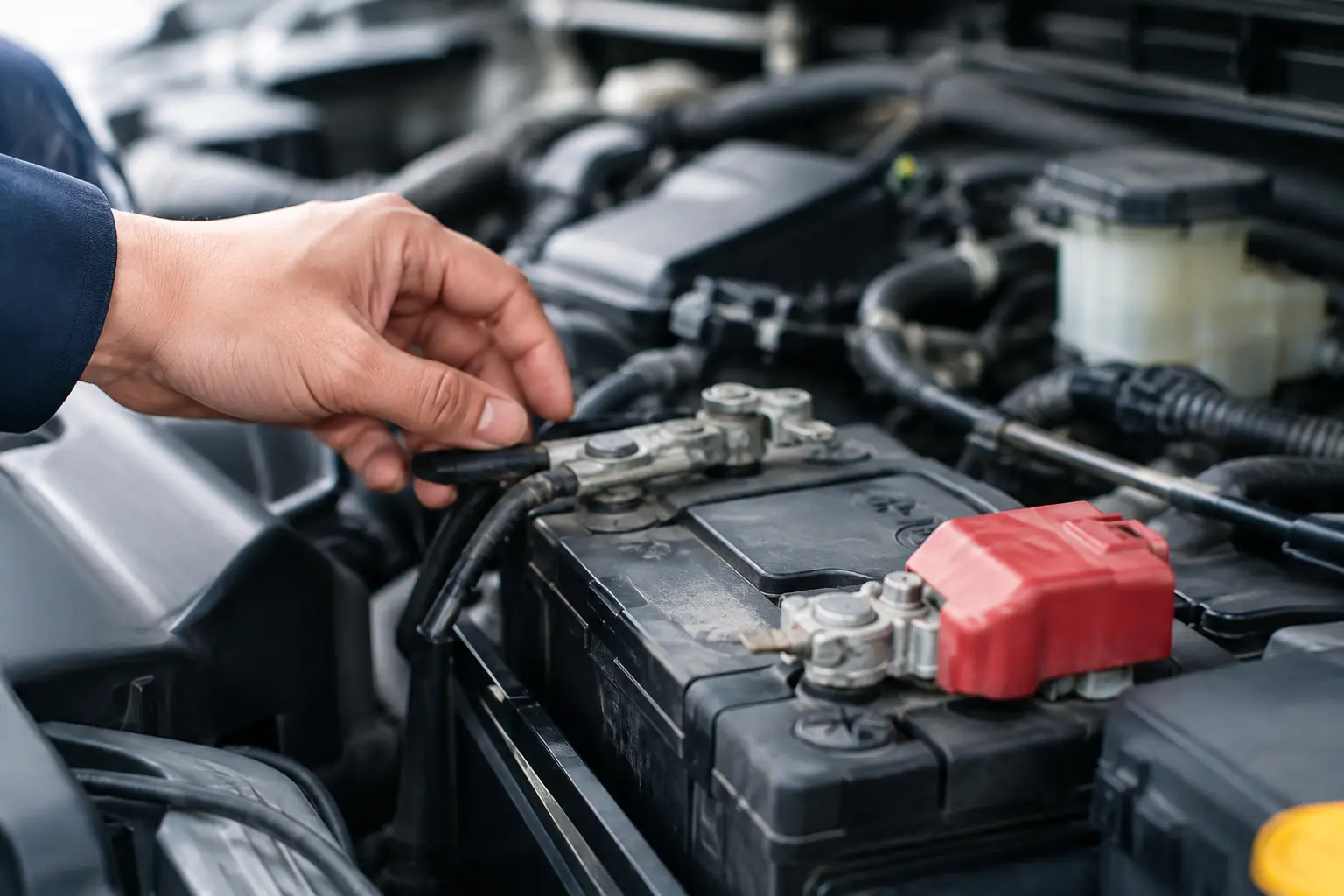
A car battery rarely quits at a convenient time. It fails in a grocery-store lot, before an early shift, or while you are trying to get home ahead of a Louisiana storm. Knowing the best signs of battery failure gives you a chance to act before a simple weak start becomes a complete no-start and a stranded vehicle.
Your battery supplies the electrical power needed to start the engine and supports vehicle systems when the engine is off. Heat, short trips, corrosion, age, and a charging-system problem can all shorten its life. If your vehicle is giving you warnings, do not wait for the next time it refuses to start.
1. The Engine Cranks Slowly or Takes Extra Time to Start
A slow, dragging crank is one of the clearest warning signs. When you turn the key or push the start button, the engine may sound like it is struggling to turn over before it finally starts. That usually means the battery does not have enough reserve power to deliver a strong starting charge.
One slow start after the vehicle has been sitting for weeks does not always mean the battery is finished. But repeated slow cranking, especially after normal overnight parking, deserves attention. High temperatures common around Kenner and New Orleans can accelerate battery wear, even when the battery appeared fine a few months ago.
2. You Hear Clicking Instead of the Engine Starting
A rapid clicking sound when you try to start the vehicle often points to low battery power. The starter relay may be receiving enough electricity to click, but not enough to engage the starter and crank the engine.
A single solid click can also indicate a starter or connection issue, so the sound alone is not a complete diagnosis. Still, if the lights are dim or other electrical features are weak at the same time, a discharged or failing battery is a likely cause. Avoid repeated start attempts. They can drain the remaining charge and leave you with fewer options.
3. Headlights and Interior Lights Look Dim
Your lights offer a quick clue about battery condition. Dim headlights, a weak dome light, fading dashboard illumination, or power windows that move unusually slowly can mean the battery voltage is low.
Check this with the engine off first. If the lights brighten normally once the engine is running, the alternator may be charging, but the battery could still be weak. If lights remain dim while driving or the battery warning light comes on, the issue may involve the alternator, belt, wiring, or battery connections. That is a situation to address promptly rather than trying to guess your way through it.
4. The Battery Warning Light Comes On
The battery-shaped warning light on the dash does not always mean the battery itself is bad. More accurately, it tells you there may be a problem in the charging system. A failing alternator, loose belt, damaged cable, or weak battery can all trigger it.
If that light appears while you are driving, reduce unnecessary electrical use when safe to do so. Turn off accessories you do not need, such as phone chargers or rear climate controls, and head to a safe location. A vehicle can continue running briefly on stored battery power, but it may stall once that power is depleted. If you are unsure whether you can make it safely, roadside assistance or a tow is the better call.
5. The Battery Case Is Swollen, Cracked, or Leaking
Open the hood only when the vehicle is parked safely and the engine is cool. A healthy battery case should look square, clean, and firmly secured. A swollen or bulging case is a serious warning that heat or internal damage has affected the battery.
Do not attempt to jump-start or handle a visibly cracked, leaking, or severely swollen battery. Battery acid and gases can be hazardous, and a damaged battery can cause corrosion around the tray and cables. Professional service is the safer choice.
6. Corrosion Has Built Up Around the Terminals
White, blue, or green buildup on the battery terminals can interfere with the electrical connection. Sometimes cleaning the terminals and tightening loose cable ends restores normal starting. Other times, corrosion is a symptom of an aging battery or battery leak.
If you know how to clean terminals safely, wear eye protection and follow your vehicle manufacturer's recommendations. Do not use force on damaged cable ends. For many drivers, especially when the car is already not starting, it is faster and safer to have a roadside professional inspect the connections and determine whether a jump-start is appropriate.
7. The Vehicle Needs Frequent Jump-Starts
A jump-start is meant to get you moving, not to become part of your routine. If your vehicle needs a jump more than once, the battery may no longer hold a charge. It could also mean something is draining power while the vehicle is parked, such as an interior light, aftermarket accessory, faulty module, or charging-system issue.
After a successful jump, drive long enough to give the charging system time to replenish some power. A five-minute trip around the block may not do it. Even then, a battery with an internal fault may die again as soon as the engine is turned off. Schedule a battery and charging-system test instead of assuming the problem is solved.
8. The Battery Is Three to Five Years Old
Battery age matters, even if there are no obvious symptoms yet. Many car batteries last roughly three to five years, but Louisiana heat can push that range lower. The date code is usually printed on the battery label, though its format varies by manufacturer.
If your battery is approaching that age range and you are noticing slow starts or electrical issues, replacement may be more reliable than waiting for a breakdown. This is especially true for drivers who depend on their vehicles for work, rideshare trips, school drop-offs, or regular travel across the metro area.
Battery Failure or Something Else?
Several problems can look like a dead battery. A failing alternator may prevent a good battery from charging. A bad starter can create a click or no-crank condition. Loose cables can cut power intermittently, while a parasitic drain can slowly empty the battery overnight.
That is why symptoms matter in combination. Slow cranking, dim lights, repeated jumps, and an older battery strongly suggest battery failure. A battery warning light while driving, burning smell, whining noise, or electronics that fail after the engine starts may point more toward the charging system. Either way, continuing to drive until the vehicle stops can leave you in a less safe place.
What to Do When Your Car Will Not Start
First, get the vehicle out of traffic if possible and turn on hazard lights. Check that the gear selector is fully in Park or Neutral and that the battery terminals are not visibly loose or damaged. Do not keep cranking the engine over and over, and never jump-start a leaking or swollen battery.
If you have jumper cables and know the proper procedure, a jump may get the vehicle started. But if you are on a busy road, in poor weather, or uncertain about the cause, do not take unnecessary risks under the hood. A trained roadside operator can provide a jump-start when appropriate or arrange secure transport if the vehicle needs repair.
For drivers in Kenner and the New Orleans area, Zain Towing can dispatch 24/7 roadside help or safe vehicle transport when a battery problem leaves you stuck. A quick response can make the difference between a minor interruption and hours stranded in a parking lot or on the shoulder.
Pay attention to the first weak start. Testing or replacing a questionable battery on your schedule is far easier than facing a no-start when you need to be somewhere.
Need help right now?
Zain Towing runs 24/7 in Kenner, New Orleans, Metairie, Harahan and Gretna. Call (504) 666-9099 or see our towing service, roadside assistance and New Orleans pages.