Best Steps After a Breakdown in New Orleans
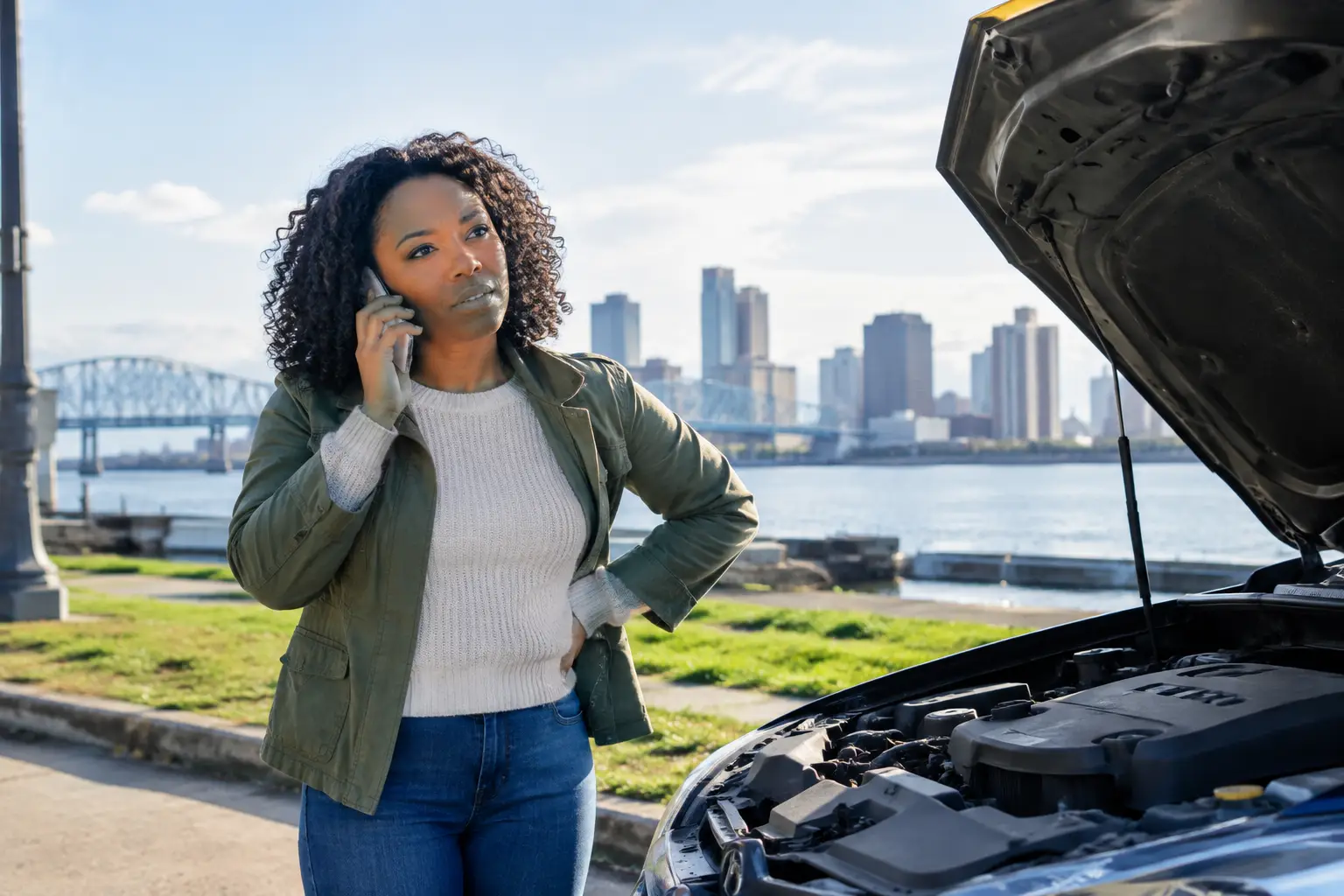
A stalled engine on I-10, a flat tire near Kenner, or a warning light on an unfamiliar New Orleans street can turn stressful fast. The best steps after a breakdown are not about diagnosing the problem on the spot. They are about protecting yourself, keeping the vehicle from becoming a traffic hazard, and getting the right help moving your way.
Best Steps After a Breakdown: Get Safe First
Your first priority is location, not the vehicle. If the car is still moving, stay calm, turn on your hazard lights, and steer toward the nearest safe place to stop. A parking lot, wide shoulder, service road, or exit is better than stopping in an active travel lane.
Avoid sudden braking or sharp turns, especially if you have a flat tire, steering problem, or overheating engine. Ease off the accelerator, signal early, and let surrounding drivers see what you are doing. If the vehicle loses power on a busy road, keep steering steadily and use the remaining momentum to reach the safest available spot.
Once stopped, shift into park, set the parking brake, and keep your hazard lights on. At night, during heavy rain, or in low-visibility conditions, make yourself as visible as possible without putting yourself in danger. If you have reflective triangles or flares and it is safe to place them, they can help alert traffic. Do not walk into moving lanes to set them out.
Stay in the Vehicle When Traffic Is Close
On a highway, bridge, narrow shoulder, or busy city street, staying inside with your seat belt fastened is often the safest choice. Keep the doors locked and wait for professional roadside assistance or a tow truck. Do not stand between your vehicle and traffic, and do not wait beside the driver-side door.
There are exceptions. If you smell fuel, see smoke or flames, notice rising water, or believe the vehicle could be struck immediately, get out carefully and move well away from both the vehicle and traffic. If you exit, move behind a guardrail when possible. Never stand directly in front of or behind a disabled vehicle.
Make the Right Call for the Problem
A breakdown is not always a towing situation, but it is never a good time to gamble on a repair you are not equipped to make. A dead battery, lockout, empty fuel tank, or simple tire issue may be resolved with roadside service. Engine overheating, transmission trouble, accident damage, steering issues, or a vehicle that will not safely start should usually mean a tow.
If you are in an unsafe position, blocking traffic, or involved in a collision, call 911 first. Follow instructions from law enforcement and emergency responders. Once the immediate danger is handled, arrange roadside help or towing for the vehicle.
When calling a towing company, give clear information right away. Dispatch needs your exact location, including the road name, closest exit, cross street, landmark, or mile marker. Say whether you are on the shoulder, in a parking lot, garage, driveway, or accident scene. A vague location can delay help when minutes matter.
Also share the vehicle's year, make, model, and condition. Let dispatch know if it is a car, SUV, pickup, motorcycle, RV, or commercial vehicle, and whether it is all-wheel drive, has a flat tire, is stuck, has collision damage, or will not roll. These details help send the right truck and equipment instead of creating an avoidable delay.
Do Not Push a Damaged Vehicle Into Traffic
It can be tempting to ask a passerby for a push, especially when the car stops near an intersection or driveway. That can create a much bigger danger. A vehicle with a mechanical failure may not steer, brake, or roll predictably, and people pushing it are exposed to traffic.
If you can safely coast into a nearby lot or out of a travel lane, do so before the vehicle fully stops. After that, leave vehicle movement to trained operators with the proper equipment. This is especially true after an accident, when hidden damage can affect wheels, suspension, fuel lines, and the vehicle frame.
Flatbed transport may be the right option for all-wheel-drive vehicles, luxury vehicles, motorcycles, vehicles with significant damage, or any vehicle that should not have its wheels rolling on the road. The goal is not just to move it quickly. It is to prevent additional damage during loading and transport.
Protect Yourself While You Wait
A short wait feels longer when you are stranded, but a few practical choices can make it safer. Keep your phone charged if possible, monitor your battery level, and avoid repeatedly running the engine just to use air conditioning or heat if you suspect overheating, battery trouble, or a fuel-related issue.
If you are waiting in the vehicle, keep windows mostly up and doors locked. Be cautious with strangers who approach and offer help. A genuine helper may mean well, but you do not need to hand over keys, personal information, or payment details. Tell anyone offering assistance that help is already on the way.
If children, older passengers, or pets are with you, explain the plan clearly and keep everyone away from the roadside. Heat and humidity can be serious in the New Orleans area, so call emergency services if anyone is experiencing signs of heat illness or has a medical emergency. Your vehicle can be repaired. A person's safety comes first.
Take Photos and Gather the Details You Need
If the situation is safe and you are not near traffic, take a few photos of the vehicle, the visible damage, dashboard warning lights, and the surrounding location. This can be useful for insurance, a repair shop, or simply helping explain what happened.
For an accident, exchange required information with the other driver and follow the directions of responding officers. Do not argue about fault at the scene. Stick to the facts, document what you can safely document, and focus on getting out of harm's way.
Before the tow operator arrives, decide where the vehicle needs to go. It may be a trusted repair shop, dealership, body shop, home, or another location. Confirm whether the destination is open and able to receive the vehicle, particularly late at night or on weekends. If you are unsure, having it delivered home can be preferable to leaving it at a closed business without a plan.
Confirm the Tow Plan Before Loading
A professional operator should confirm the vehicle and destination before loading. Tell them about any special concerns, including low ground clearance, an inoperable wheel, aftermarket modifications, a locked steering wheel, or personal items that need to be removed. Take valuables, medications, work equipment, and important documents with you whenever possible.
Ask how the vehicle will be transported and confirm the final destination. If the vehicle has been in a collision or has mechanical damage, make sure the operator knows before it is moved. Safe loading and secure tie-downs matter because improper handling can add damage to an already difficult situation.
Zain Towing LLC provides 24/7 roadside assistance and towing across Kenner and the New Orleans area, with trained operators, properly equipped trucks, and secure transport for light- and medium-duty vehicles. Whether you need a jump-start, tire help, lockout service, local towing, or a longer haul, clear dispatch information helps get the right service to you faster.
What Not to Do After a Breakdown
Avoid trying to restart the vehicle over and over if it is overheating, making loud mechanical noises, leaking fluid, or showing a serious warning light. Repeated attempts can worsen engine, starter, or battery damage. Do not open a hot radiator cap, and do not pour cold water into an overheated engine.
Do not accept an unverified tow simply because a truck arrives first. Confirm the company you contacted, ask for the operator's identification if needed, and make sure the destination matches your plan. Professional service should feel clear, organized, and safe from the first call through final delivery.
A breakdown does not have to become a bigger emergency. Get to a safe spot, make your location visible, request the right help, and let trained professionals handle the vehicle. Those calm decisions protect you now and give your car the best chance of reaching its destination without additional damage.
Need help right now?
Zain Towing runs 24/7 in Kenner, New Orleans, Metairie, Harahan and Gretna. Call (504) 666-9099 or see our towing service, roadside assistance and New Orleans pages.