
Can a Tow Truck Tow Motorcycles Without Damage?
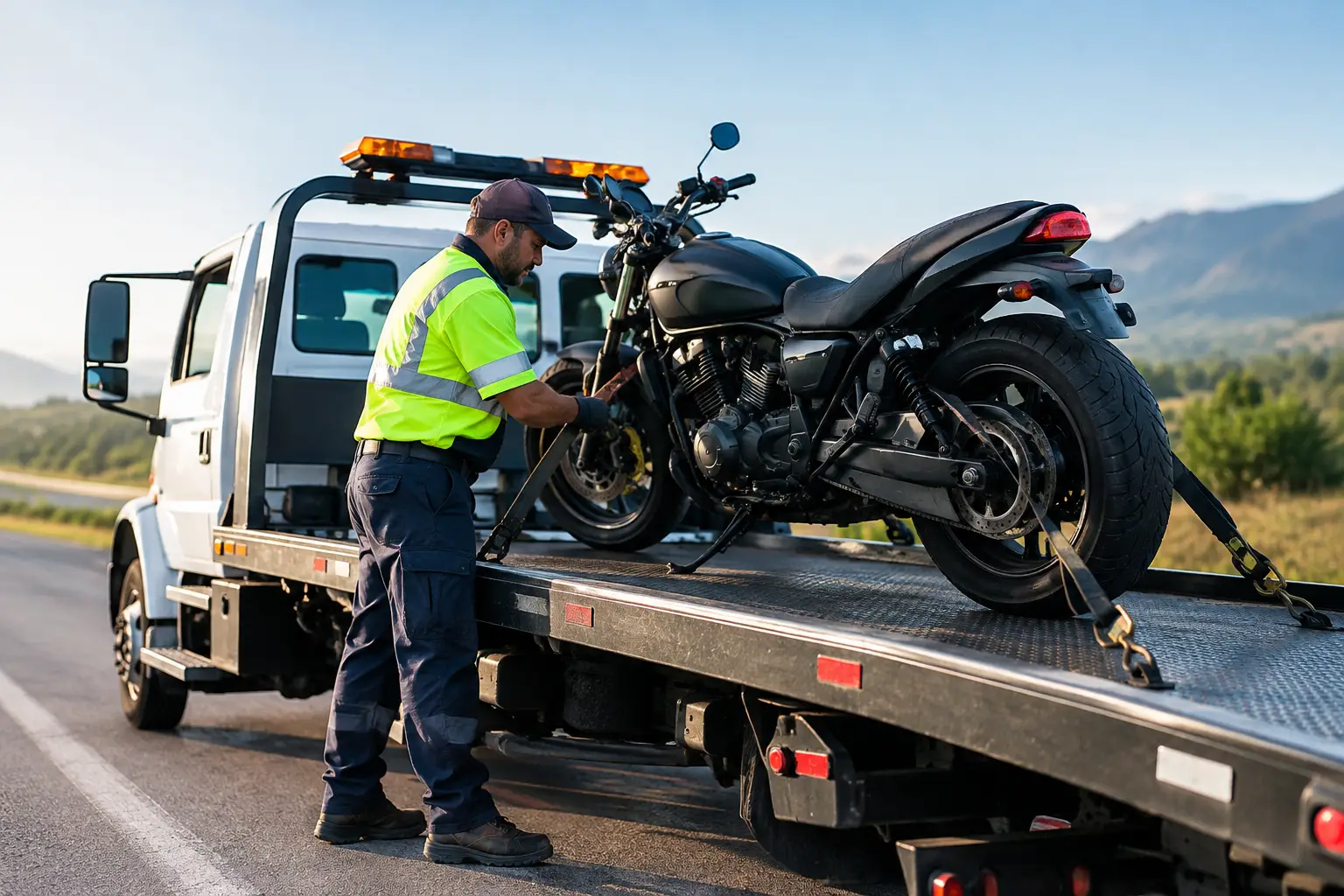
A motorcycle is not just a smaller car. It has exposed components, two contact points with the ground, and a balance that can be affected by one bad strap angle. So, can a tow truck tow motorcycles? Yes, absolutely - but the truck, loading method, and tie-down process must match the bike. A professional operator treats motorcycle transport as a secure-hauling job, not a quick hookup.
Whether your bike will not start in Kenner, has a flat near New Orleans, or needs planned transport across town, the goal is the same: get it loaded, stabilized, and delivered without adding damage to an already stressful situation.
Can a Tow Truck Tow Motorcycles Safely?
A tow truck can safely transport most motorcycles when it uses the right equipment. For many bikes, a flatbed tow truck is the preferred option because the motorcycle stays fully off the road. The operator can load it with a ramp, position it upright, and secure it at several points before the truck moves.
This matters because motorcycles are vulnerable to the problems that ordinary vehicle towing can create. A bike dragged behind a truck can lean, bounce, scrape, or put unnecessary strain on the front end. A flatbed removes those risks by keeping both wheels on the deck.
There are exceptions. Some specialized motorcycle dollies and wheel-lift setups can be appropriate for certain motorcycles and short-distance recoveries. Still, the best method depends on the bike’s size, condition, drive system, ground clearance, and where it needs to go. A cruiser, sport bike, touring motorcycle, trike, scooter, or custom build may require a different approach.
Why Flatbed Towing Is Usually the Best Choice
Flatbed towing gives an operator more control from the moment the bike is loaded. The motorcycle is not rolling behind the tow truck, so there is less exposure to potholes, sharp turns, standing water, and road debris. That is especially valuable on busy New Orleans-area roads, where traffic and uneven pavement can make a roadside recovery more complicated.
A proper loading process starts with a stable ramp and a controlled approach. The operator will account for low fairings, long wheelbases, exhaust placement, and aftermarket parts that can reduce clearance. Once the motorcycle is on the bed, it should remain upright and centered rather than resting on its side stand.
Professional-grade soft straps or wheel restraints help secure the bike without rubbing directly against painted surfaces, handlebars, brake lines, or fragile accessories. The front wheel is often stabilized in a wheel chock, while tie-downs provide balanced tension to limit movement. The exact setup varies by motorcycle. Overtightening straps can stress seals or suspension components, while loose straps allow the bike to shift.
Not Every Tow Method Is Safe for Every Motorcycle
The answer to whether a tow truck can tow motorcycles is not simply yes or no. It depends on how the job is handled.
For example, towing a motorcycle with one wheel on the ground may be unsuitable for a bike with certain drivetrains or damage. A motorcycle that has been in a collision may have bent forks, a damaged wheel, leaking fluids, or parts hanging near the ground. In that situation, attempting to roll the bike onto a dolly could create more damage. A flatbed with careful winching and stabilization is often the safer call.
Custom motorcycles need added attention as well. Extended forks, lowered suspensions, saddlebags, oversized handlebars, and specialty exhaust systems change where a bike can be strapped and how it can be loaded. Electric motorcycles also deserve careful handling because of their weight distribution and high-voltage components.
If you ride a trike, sidecar motorcycle, Can-Am-style vehicle, or another three-wheeled setup, tell dispatch before the truck is sent. These vehicles may need a wider deck, specific tie-down points, or a different loading angle. Good information before arrival helps ensure the right truck and equipment are dispatched the first time.
What a Professional Operator Checks Before Loading
A trained tow operator does more than attach straps and drive away. Before transport, they assess the bike and the pickup area. Is the motorcycle upright? Is either tire flat? Are the brakes locked? Is the steering damaged? Is it parked in a tight garage, a busy shoulder, mud, or a parking deck?
The operator should also look for existing damage and consider any details you provide. If the bike has a keyless ignition, an alarm, a steering lock, or an immobilizer, mention it. If you have a preferred shop, dealership, home address, or storage destination, have that location ready before loading begins.
At Zain Towing LLC, motorcycle calls are approached with the same focus on secure handling and damage prevention as any other vehicle recovery. A licensed and insured towing provider should use trained operators and suitable equipment, not make your motorcycle fit a one-size-fits-all setup.
What You Should Do While Waiting for Motorcycle Towing
Your priority is personal safety. If your motorcycle is disabled on a roadway, move yourself out of traffic if you can do so safely. Turn on hazard lights if your bike has them, and avoid standing between the motorcycle and passing vehicles. At night or during heavy rain, visibility becomes even more critical.
When you call for a tow, give clear details: your location, the motorcycle’s make and model, whether it is a standard two-wheel bike or trike, the condition of the wheels, and the destination. Tell dispatch about special access issues, such as a locked gate, narrow driveway, low-clearance parking garage, or a bike stuck in soft ground.
If you are able, remove loose personal items from saddlebags or storage compartments. Keep your key available, but do not try to force the bike upright or push it into traffic to make loading easier. A bike that has fallen, has a damaged tire, or is leaking fluids can be unstable. Wait for the operator to assess it.
Avoid These Motorcycle Towing Mistakes
The biggest mistake is allowing an unprepared vehicle or driver to improvise. A pickup truck without proper ramps, wheel chocks, tie-downs, or loading experience can damage a motorcycle before it ever leaves the parking lot. Rope, ratchet straps attached to the wrong components, and a side stand used as a transport support are all warning signs.
Another mistake is assuming the nearest tow is automatically the best option. Fast help matters, particularly after an accident or breakdown, but safe transport matters just as much. Ask whether the provider can handle motorcycles, what type of truck will arrive, and whether the bike will ride on a flatbed when appropriate.
It is also wise to avoid starting a long ride after a mechanical issue that seems minor. A chain problem, tire damage, overheating condition, electrical failure, or brake concern can become dangerous quickly. A tow may cost less than a crash, a ruined wheel, or a much larger repair.
When to Call for Motorcycle Towing Right Away
Call for professional help when the motorcycle cannot be operated safely, even if it still starts. This includes a flat tire without a safe repair option, a collision, a dead battery in an unsafe location, fuel contamination, a broken chain or belt, locked steering, overheating, or engine trouble that could worsen on the road.
Planned transport is another good reason to use a tow truck. Riders often need motorcycle hauling after buying or selling a bike, moving to a new home, taking a bike to a repair shop, or transporting a non-running project motorcycle. For local and long-distance moves, a secure flatbed setup can protect the motorcycle and save you from arranging a risky DIY haul.
A motorcycle tow should leave you with one less problem, not a new repair bill. When your bike cannot safely make the next mile, request a truck equipped to handle it, share the key details with dispatch, and let a trained operator secure the ride for the trip ahead.
Need help right now?
Zain Towing runs 24/7 in Kenner, New Orleans, Metairie, Harahan and Gretna. Call (504) 666-9099 or see our towing service, roadside assistance and New Orleans pages.