
Car Towing Preparation Before Help Arrives
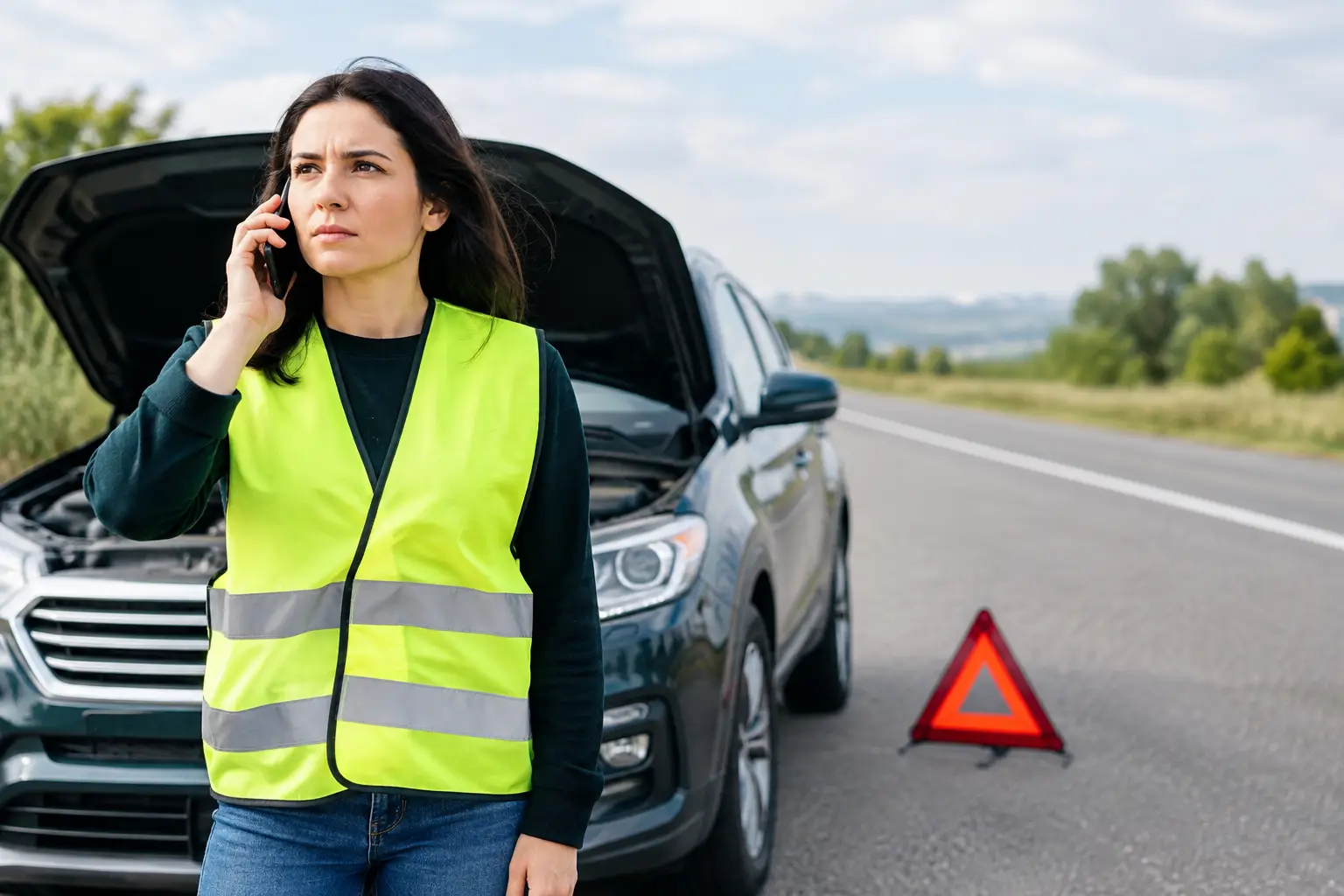
A breakdown on I-10, a dead battery outside a Kenner grocery store, or a fender bender after dark can make every minute feel longer. Good car towing preparation gives the tow operator the details needed to reach you faster, choose the right equipment, and move your vehicle without avoidable damage. Your first job is not to diagnose the problem. It is to get yourself and your passengers to a safer position, then provide clear information when you call for help.
Start With Personal Safety, Not the Vehicle
If the vehicle is still movable, pull as far from traffic as conditions safely allow. A parking lot, wide shoulder, or side street is better than stopping in an active travel lane. Turn on your hazard lights. At night or in heavy rain, keep your lights on if the vehicle can do so safely and use interior lights sparingly so your battery is not drained further.
Do not stand between your vehicle and traffic. If you are on a narrow shoulder, a bridge, or a busy road, move yourself and passengers to a protected location when possible. If exiting the vehicle would put you in greater danger, stay buckled inside with the doors locked and call for assistance.
An accident, smoke, leaking fluid, a flat tire near fast traffic, or an unsafe location may require police, fire, or emergency medical help before towing. Call 911 first when there is an immediate hazard, injury, fire, or a vehicle blocking traffic. A tow truck can transport a vehicle, but it does not replace emergency responders.
Have the Right Details Ready for Dispatch
Fast dispatch starts with accurate information. Before calling, look around for the nearest cross street, highway exit, mile marker, business name, or easily visible landmark. GPS locations help, but they are not always enough on multilane highways, parking garages, or large apartment complexes. Tell the dispatcher which direction you are facing or traveling and whether the vehicle is on the road, shoulder, driveway, garage, mud, or a parking lot.
Be ready to share your vehicle's year, make, model, color, and license plate number. Mention whether it is a car, SUV, pickup, motorcycle, RV, or another vehicle type. The operator also needs to know the issue: no-start condition, flat tire, collision damage, locked wheels, missing keys, low clearance, transmission trouble, or a vehicle that is stuck off pavement.
This information determines whether a standard tow, flatbed tow, winch-out, or roadside service truck is appropriate. It also prevents a frustrating second trip because the first truck did not have the right equipment for the scene.
When arranging transport, provide the destination address and any special instructions. Let dispatch know if the vehicle must go to a repair shop, dealership, body shop, home, storage facility, or another location. If the shop will be closed when the tow arrives, ask about its after-hours drop-off process before the truck is dispatched.
Car Towing Preparation: Secure Your Vehicle and Belongings
Once you are safely parked and help is on the way, take a few minutes to prepare the vehicle if conditions allow. Remove valuables, medications, important documents, work equipment, and personal items you will need before the vehicle is delivered. Check the center console, glove compartment, trunk, back seat, and cargo area. A tow operator can secure and transport your vehicle, but personal items are best kept with you.
Keep your registration and insurance information available, but do not leave unnecessary sensitive documents in the car. If you are handing the vehicle off at a repair facility, bring the shop's contact details and any claim number you have received from your insurer.
Close all windows, lock the doors, and secure loose items in the cabin. If a window is broken, tell the operator before loading. Do not try to tape damaged glass, force a bent door shut, or crawl under the vehicle to inspect a leak. Those actions can make the situation less safe or cause more damage.
If you have a key, keep it ready for the operator. If the keys are lost, broken, locked inside, or the ignition will not turn, say so when you call. A vehicle with locked steering, electronic parking brakes, or a missing key may need a different loading approach.
Tell the Operator What Changed After the Breakdown
Small details matter when a vehicle is being loaded. Tell the tow operator about recent mechanical work, modifications, lowered suspension, oversized tires, all-wheel drive, electric or hybrid powertrains, and any known transmission or brake problems. Also mention if the vehicle has cargo in it, a trailer attached, or damage from a collision.
For all-wheel-drive, four-wheel-drive, electric, luxury, low-clearance, and heavily damaged vehicles, flatbed towing is often the safer choice. It keeps all wheels off the road and reduces the risk of drivetrain or body damage during transport. The exact method depends on the vehicle, its condition, the pickup location, and manufacturer requirements. A trained operator will make that call after assessing the situation.
Do not attempt to attach a tow strap, chain, or rope to the vehicle unless you have the correct recovery equipment and know the approved attachment points. Hooks, suspension parts, bumpers, and axles are not interchangeable towing points. Improper attachment can damage the vehicle or seriously injure someone if the strap or hardware fails.
Take Photos Before Loading When It Makes Sense
If your vehicle was involved in a collision or has visible damage, take clear photos from several angles before towing, provided you can do it safely. Capture the exterior, wheels, windshield, license plate, and any damage that is already present. This can be useful for insurance documentation and repair discussions later.
Photos are also helpful for a planned tow of a classic car, motorcycle, project vehicle, or vehicle being transported long distance. They establish the condition at pickup. There is no need to delay emergency towing for a photo session, though. If the location is dangerous, move to safety and let professionals handle the vehicle.
Know What Not to Do While You Wait
Waiting beside a disabled vehicle can tempt drivers to keep trying fixes. Avoid repeated jump-start attempts if you smell burning, see smoke, or notice damaged wiring. Do not pour water into an overheating engine, open a hot radiator cap, or continue driving on a shredded tire. A few extra miles can turn a manageable repair into major damage.
It is also wise not to accept a tow from an unverified driver who arrives without being dispatched. Ask for the company name, confirm the vehicle description if dispatch provided one, and verify the destination before your car is loaded. Professional towing should feel organized: the operator explains the plan, uses proper equipment, secures the vehicle, and documents the service.
If you must leave the scene before the tow arrives, tell dispatch exactly where the keys will be, who is authorized to release the vehicle, and how the operator can contact you. Some situations require the owner to be present, especially after an accident or when a vehicle is being removed from private property. Ask before you leave so there are no delays.
Plan Ahead for the Tow Destination
The nearest shop is not always the best destination. If the problem is a flat tire, dead battery, lockout, or simple fuel issue, roadside assistance may get you moving without a tow. If the vehicle has serious mechanical trouble, collision damage, or an unsafe drivetrain issue, towing it directly to the right repair facility can save time and prevent another transport later.
For long-distance towing, confirm the full destination, after-hours access, and whether the receiving party knows the vehicle is coming. For local towing to your home, make sure there is room for the truck to unload safely and that your driveway or parking area is accessible. A steep, tight, or blocked driveway may require a different unloading plan.
Zain Towing LLC dispatches trained, licensed, and insured operators for light- and medium-duty towing, roadside help, recovery, and local or long-distance transport throughout the Kenner and New Orleans area. When you call, clear location details and honest information about your vehicle help the right truck get to you without delay.
A tow is stressful because it usually starts with a problem you did not plan for. Keep yourself safe, give dispatch the facts, protect your belongings, and let the operator handle the loading. That simple preparation helps get your vehicle where it needs to go with less confusion and fewer risks.
Need help right now?
Zain Towing runs 24/7 in Kenner, New Orleans, Metairie, Harahan and Gretna. Call (504) 666-9099 or see our towing service, roadside assistance and New Orleans pages.