
How to Check Roadside Insurance Coverage Fast
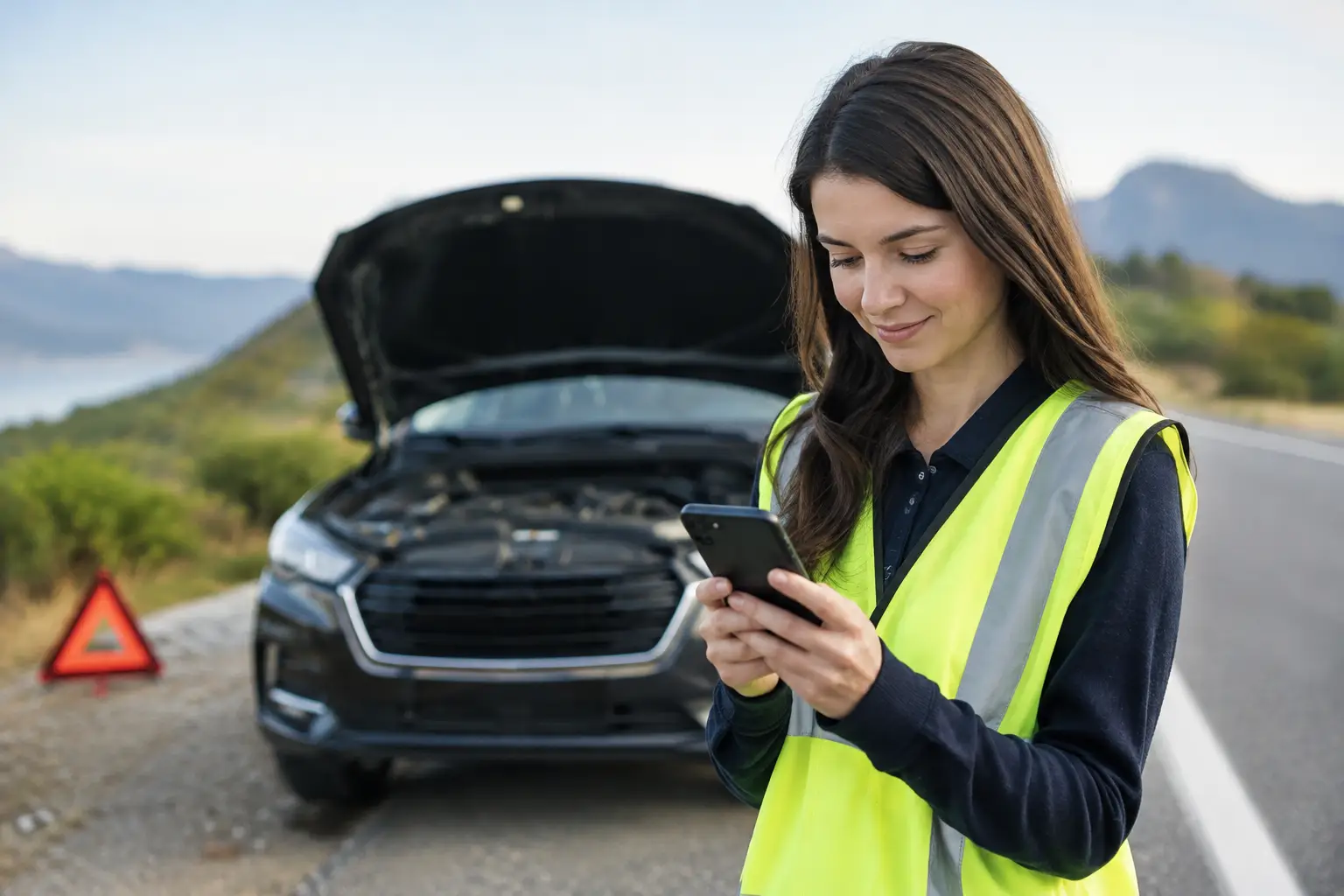
A dead battery on I-10, a flat tire near the airport, or an overheating engine in New Orleans traffic is the wrong time to find out what your policy actually pays for. Take a few minutes to check roadside insurance coverage now, save the details in your phone, and you will know exactly who to call when your vehicle cannot move.
Roadside coverage can reduce an unexpected towing bill, but it does not always cover every distance, every vehicle, or every situation. The details matter when you are stranded and need help fast.
How to Check Roadside Insurance Coverage
Start with your current auto insurance policy, not the roadside-assistance card you may have received years ago. Log in to your insurer's app or customer portal and look for sections labeled “Roadside Assistance,” “Towing and Labor,” “Emergency Road Service,” or “Transportation Expense.” If the wording is unclear, call the number on your insurance card and ask a representative to confirm your active benefits.
Ask whether roadside assistance is part of your auto policy, an optional add-on, a benefit through your vehicle manufacturer, or coverage tied to a membership program or credit card. These are separate programs with separate rules. Having one does not automatically mean another will reimburse the same service.
When you call, have your policy number, vehicle year, make, model, and current mileage available. Confirm that the coverage applies to the vehicle you are driving. This is especially important for motorcycles, work trucks, SUVs, RVs, trailers, and vehicles you have recently purchased or added to the policy.
The Coverage Details That Change Your Bill
A policy that says “towing included” is a good start, but it is not the full answer. A short tow to the nearest repair facility may be covered while a longer tow home, to a preferred mechanic, or across state lines may leave you responsible for the difference.
Check the maximum towing distance first. Some plans cover a fixed mileage limit per disablement, while others reimburse up to a dollar amount. A 10-mile limit can work for a breakdown near home but may not be enough if you are stuck on the outskirts of the metro area and need your vehicle taken to a specific shop. Ask whether mileage is measured from your location to the destination and whether there are additional hook-up, winching, storage, or after-hours charges.
Also find out how many service calls you can use each year. Many plans limit the number of covered incidents. A jump-start in January, a lockout in April, and a tow in August may count as three separate calls, even if the costs were small.
Your roadside plan may cover basic services such as towing, jump-starts, tire changes, lockouts, fuel delivery, and winching. Each service can have limits. For example, fuel delivery may include the trip but not the fuel itself. Tire help may require you to have a usable spare. Winching may only apply when the vehicle is close to a paved road, not deep in mud, water, or a ditch.
Ask Whether You Can Choose Your Own Tow Company
This question matters in an urgent situation. Some insurers dispatch their own contracted provider and require you to call their assistance line first. Others allow you to choose a licensed tow company, pay for service, and submit a receipt for reimbursement.
If your plan requires insurer dispatch, ask how long you should expect to wait and what happens if their assigned provider is unavailable. If you can select your own provider, verify the reimbursement process before you need it. Find out whether the insurer requires itemized invoices, photos, a claim number, or proof of payment.
Keep in mind that reimbursement is not the same as no out-of-pocket cost. You may need to pay the tow operator at the scene and wait for the insurer to process your claim. If your vehicle is blocking traffic, sitting in an unsafe area, or stranded late at night, immediate safe recovery should come first. You can sort out eligible reimbursement with your insurer afterward.
Know What Roadside Insurance Usually Does Not Cover
Roadside assistance is designed to help with a disabled vehicle, not every transportation problem. Policies vary, but exclusions often include repairs beyond basic roadside labor, parts, tires, fuel, accident-related damage, commercial use, and recovery in hazardous conditions.
A tow after a collision can be handled differently from a mechanical breakdown. Your collision coverage, comprehensive coverage, or the other driver's insurance may be involved, depending on what happened. If law enforcement directs your vehicle to be removed, ask where it is being taken and whether storage fees will begin right away.
Personal items inside the vehicle are another consideration. Roadside coverage generally does not protect valuables left in an unattended car or truck. Before the tow, remove wallets, medication, electronics, documents, keys, and anything loose that could shift during transport. Tell the operator about low-clearance parts, mechanical issues, or special loading needs.
Save These Answers Before an Emergency
Do not rely on a vague memory that your insurance “has towing.” Put the useful information in one note on your phone. Include your insurer's roadside phone number, policy number, annual call limit, maximum tow distance, and whether you must use an approved provider. Add the name of a trusted local towing company as a backup.
It also helps to save your vehicle's location details when you travel. Louisiana highways, busy interchanges, and parking lots can be hard to describe under stress. If you need assistance, share the road name, direction of travel, closest exit or cross street, vehicle color, make, model, and the problem you are seeing.
For a planned tow, such as moving a non-running car to a repair shop or transporting a vehicle long distance, call your insurer before scheduling if you expect reimbursement. Planned transport is often treated differently from emergency roadside service. The same is true for specialty vehicles and medium-duty trucks, which may require equipment outside a standard roadside benefit.
What to Do While You Wait for Help
If your car can safely reach a parking lot or shoulder, move it out of active traffic. Turn on your hazard lights, set the parking brake, and keep passengers away from moving vehicles. On a busy roadway, staying in the vehicle with seat belts fastened may be safer than standing beside it. Follow instructions from law enforcement or emergency personnel if they are on scene.
Do not attempt a tire change, jump-start, or quick repair if traffic, weather, darkness, or the vehicle's location makes it unsafe. A small problem can become a serious one when drivers cannot see you. Professional roadside assistance is there to protect both you and your vehicle.
When you request a tow, ask for the estimated arrival time, the type of truck being sent, and the destination details. A flatbed is often the right choice for all-wheel-drive vehicles, luxury vehicles, motorcycles, cars with severe damage, or vehicles that should not be pulled with drive wheels on the ground. The right equipment helps prevent additional damage before your vehicle ever leaves the pickup location.
Fast Help When Coverage Falls Short
Even good insurance coverage has limits. Your policy may not include roadside help, your annual calls may be used, or the required provider may have a long wait. In those moments, a licensed and insured local operator can provide the direct answer: the right truck, a clear quote, secure loading, and transport to the destination you choose.
Zain Towing LLC provides 24/7 towing, recovery, jump-starts, lockout help, tire assistance, and vehicle transport for drivers in Kenner and the New Orleans area. Give dispatch your location, vehicle type, condition, and destination so the appropriate operator can be sent without delay.
The best time to check your coverage is before the warning light, flat tire, or no-start situation appears. Save the number, understand the limits, and if your vehicle is stranded, focus on getting yourself to a safe place while qualified help gets your car where it needs to go.
Need help right now?
Zain Towing runs 24/7 in Kenner, New Orleans, Metairie, Harahan and Gretna. Call (504) 666-9099 or see our towing service, roadside assistance and New Orleans pages.