Commercial Vehicle Towing When Time Matters
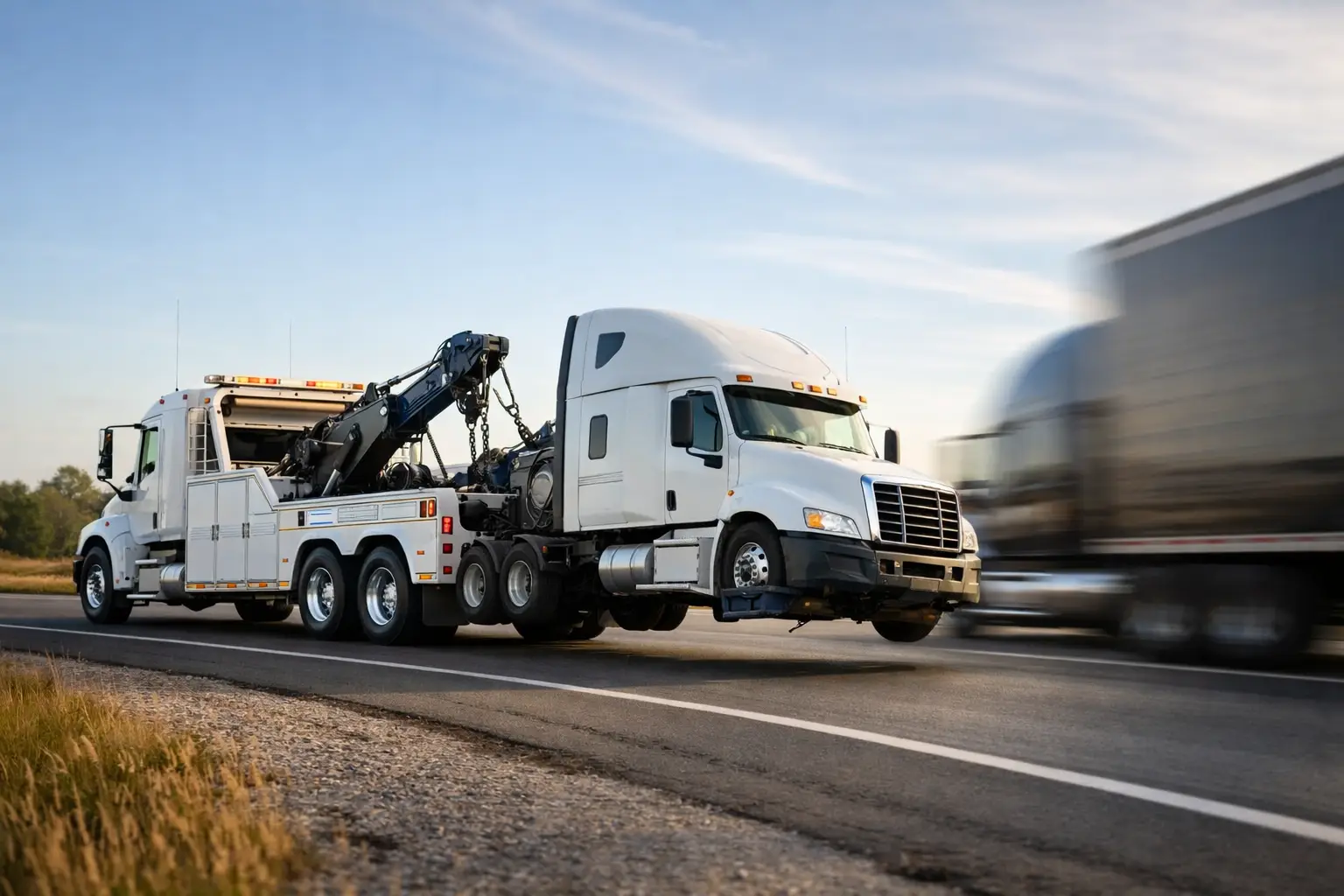
A disabled work vehicle does more than interrupt a drive. It can delay a delivery, leave a customer waiting, put a crew behind schedule, or turn a profitable shift into lost time. Commercial vehicle towing gives business owners, drivers, and fleet managers a safe way to move a disabled vehicle without adding preventable damage or risk.
For vans, pickup trucks, SUVs used for work, service vehicles, and other light- to medium-duty commercial vehicles, the right response starts with the right truck and trained operator. Whether the problem is an accident, overheating, a flat tire, a no-start condition, or a vehicle that simply cannot be driven safely, fast dispatch matters. So does secure handling from pickup through delivery.
When Commercial Vehicle Towing Is the Right Call
Not every vehicle problem requires a tow. A dead battery, locked-out cab, or minor tire issue may be resolved with roadside assistance if the vehicle is otherwise safe to drive. But when there is damage, a mechanical failure, warning lights that point to a serious issue, or an unsafe location, towing is often the better decision.
Calling for a tow protects the driver, the vehicle, and everyone else on the road. Trying to limp a loaded cargo van through traffic with an overheating engine can turn a repairable problem into engine damage. Driving a work truck after a collision can create a safety issue and complicate an insurance claim. If there is any doubt about whether the vehicle is roadworthy, stop in a safe place and request professional help.
Commercial towing also makes sense for planned moves. A contractor may need a work vehicle delivered to a repair shop across town. A fleet manager may need a disabled unit transported to a dealer. A business owner may need a recently purchased van hauled from one location to another. In each case, a scheduled flatbed or tow service can save time, mileage, and wear on the vehicle.
The Tow Method Should Match the Vehicle
A commercial vehicle is not automatically a heavy-duty vehicle, and that distinction matters when requesting service. Many business-use vehicles fall within light- or medium-duty towing capability, including cargo vans, pickup trucks, small box trucks, work SUVs, and service vehicles. Their size, condition, drivetrain, clearance, and load all affect how they should be moved.
Flatbed towing is often the safest option for vehicles with collision damage, drivetrain concerns, low clearance, or a need for maximum protection during transport. The vehicle is loaded onto a level platform rather than pulled with two wheels on the road. This reduces rolling wear and helps avoid further damage when a vehicle cannot be driven or rolled normally.
Wheel-lift towing can be appropriate for certain local moves when the vehicle is structurally sound and the operator can tow it according to manufacturer guidance. The best method depends on the specific situation. A professional dispatcher will ask about the vehicle type, condition, location, and destination so the operator arrives with equipment suited to the job.
Weight and cargo are also part of the decision. Tell dispatch if the vehicle is carrying tools, equipment, inventory, ladders, or other materials. Secure cargo may stay in place, but unsecured items can shift during loading and transport. If the vehicle is unusually large, heavily loaded, or requires specialized heavy-duty equipment, that should be identified before a truck is dispatched.
What to Do While You Wait for the Tow Truck
The minutes after a breakdown or accident can feel rushed, especially when you are blocking traffic or trying to protect a work schedule. Start with safety. If the vehicle can be moved without creating more danger, pull as far from traffic as possible. Turn on hazard lights, keep occupants away from moving vehicles, and follow instructions from law enforcement or roadside personnel.
Avoid crawling beneath the vehicle, attempting roadside repairs near traffic, or accepting help from an unverified person who offers to tow it. A damaged commercial vehicle may have fluid leaks, loose components, or hidden structural problems. Waiting for a licensed and insured towing provider is the safer choice.
When you call, having a few details ready helps speed up dispatch:
- Your exact location, including cross streets, highway direction, or a nearby business
- The vehicle year, make, model, and whether it is a van, pickup, box truck, or other work vehicle
- The reason for the tow, such as accident damage, no-start, flat tire, overheating, or mechanical failure
- The destination, plus whether the vehicle is loaded, blocked in, lowered, or difficult to access
If you are on a busy New Orleans or Kenner roadway, mention whether the vehicle is on the shoulder, in a parking lot, inside a garage, or blocking a lane. That information helps dispatch send the proper equipment and prepare the operator for the scene.
Protecting Your Vehicle During Loading and Transport
Safe towing is not just about getting a vehicle off the road. It is about preventing a bad situation from becoming more expensive. Professional operators assess the vehicle before loading, identify visible damage, choose appropriate attachment points, and secure the vehicle for transport. The goal is controlled loading, stable travel, and careful unloading at the destination.
This is particularly important for commercial vehicles because they often carry expensive racks, tools, graphics, ladder systems, or specialized equipment. A towing company should not treat a branded service van like an ordinary passenger car. Clear communication about the vehicle's modifications and condition allows the operator to plan the safest approach.
Insurance coverage and professional training matter here. A low price can look appealing during an urgent breakdown, but the cheapest option is not always the safest option. Ask whether the provider is licensed and insured, whether it handles your vehicle class, and whether it can transport the vehicle to your chosen repair facility or business location.
Local and Long-Distance Business Vehicle Transport
A short tow to the nearest shop is common, but it is not the only option. Sometimes the right repair facility is across the metro area, at a dealership, or closer to your company yard. Local and long-distance transport can be arranged when the destination is farther away or when the vehicle needs to be moved without adding mileage.
The trade-off is straightforward: a longer haul may cost more than the nearest available shop, but it may prevent repeat repairs, protect a warranty relationship, or get the vehicle to technicians who know that make and model. For a fleet vehicle, the best destination is often the one that gets it repaired correctly and back in service sooner.
Before transport begins, remove valuables when possible, secure loose equipment, and keep keys, registration, and repair instructions available. If another person will receive the vehicle, provide the shop or destination contact information during dispatch. These small details reduce delays after the truck arrives.
Fast Help for Work Vehicles in Kenner and New Orleans
A vehicle failure does not wait for business hours. Early-morning contractors, late-night delivery drivers, rideshare operators, and travelers all need a towing company that can answer the phone and send help when the vehicle stops moving. Zain Towing LLC provides 24/7 towing, recovery, and roadside assistance for light- and medium-duty vehicles throughout the Kenner and New Orleans area, with a rapid-response goal of arriving in less than 30 minutes when conditions allow.
If a roadside service can safely get the vehicle running, a jump-start, tire service, or lockout response may be enough. If it cannot, the next step is secure transport to the shop, home, yard, or destination you choose. The priority is simple: get the driver out of a stressful situation and get the vehicle handled safely.
When a work vehicle is down, do not gamble on driving it farther than it should go. Call for professional commercial vehicle towing, share the details clearly, and let a trained operator take it from there. A fast, careful tow can be the difference between a difficult day and a much more costly one.
Need help right now?
Zain Towing runs 24/7 in Kenner, New Orleans, Metairie, Harahan and Gretna. Call (504) 666-9099 or see our towing service, roadside assistance and New Orleans pages.