Damaged Wheel Transport Without More Damage
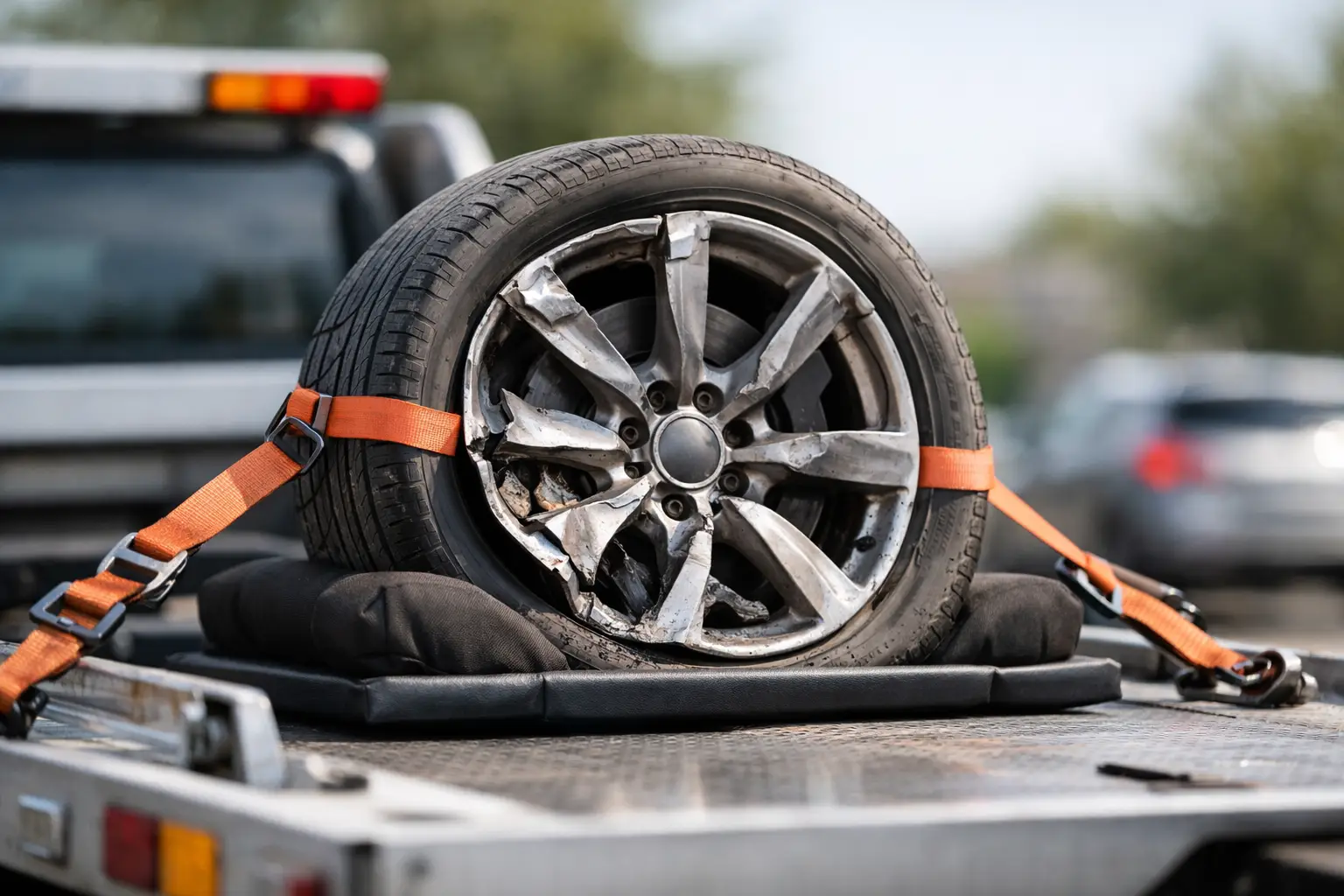
A bent rim, cracked wheel, broken stud, or tire that will not hold air can turn a normal drive into a situation where every extra mile risks more damage. Damaged wheel transport is not just about getting a vehicle from point A to point B. It is about keeping the vehicle stable, protecting the suspension and drivetrain, and making sure it arrives without creating a bigger repair bill.
If you are stopped in Kenner, New Orleans, or nearby, the safest move is usually to stop driving, get out of traffic if you can do so safely, and request professional towing. A trained operator can assess the condition of the wheel and choose the right loading method for your vehicle.
When a Damaged Wheel Needs a Tow
Not every wheel issue means your vehicle must be towed. A simple low tire may be handled with an air fill, tire change, or roadside tire service if the wheel itself is intact. But visible wheel damage changes the decision quickly.
A tow is the smart choice when the rim is cracked, severely bent, separated from the tire, missing lug nuts, or rubbing against suspension or brake components. It is also necessary when the tire has blown out and there is no safe spare, when the wheel will not rotate freely, or when an accident has pushed the wheel out of alignment.
Drivers sometimes try to limp their car to a shop at low speed. That can be a costly gamble. A damaged wheel can cause vibration, unpredictable steering, brake interference, tire failure, and additional suspension damage. On busy roads, bridges, and highways around the New Orleans metro area, it can also put you and other drivers at risk.
If the vehicle pulls hard to one side, makes grinding noises, shakes through the steering wheel, or sits noticeably lower at one corner, do not keep testing it. Call for towing instead.
Why Flatbed Towing Is Often the Safest Choice
For most wheel-related problems, flatbed towing is the preferred method. A flatbed places the entire vehicle on the truck bed, so the damaged wheel does not need to roll during transport. That matters when a rim is compromised or the suspension near that wheel may also be damaged.
With a wheel-lift tow, the undamaged end of the vehicle may still roll on the road. This can work in limited situations, but it depends on which wheel is damaged, whether the vehicle is front-, rear-, or all-wheel drive, and whether the wheel can rotate without causing harm. An experienced tow operator will make that call after looking at the vehicle.
Flatbed service also offers added protection for low-clearance cars, luxury vehicles, vehicles with all-wheel drive, and cars that have been in a collision. Proper loading, secure tie-down points, and careful positioning help prevent scrapes, drivetrain stress, and shifting during transit.
The goal is not simply to move your vehicle quickly. The goal is to move it correctly.
What About a Locked or Missing Wheel?
A wheel that is locked, collapsed, or missing parts may require special handling. The operator may use dollies, skates, or other recovery equipment to load the vehicle without dragging it across pavement. Dragging a disabled corner can damage control arms, brake parts, body panels, and the underside of the vehicle.
Tell dispatch exactly what you see: whether the tire is flat, the rim is broken, the wheel is turned at an odd angle, or the vehicle was involved in a crash. Clear details help send the right truck and equipment from the start.
What to Do While You Wait for Help
Your first priority is personal safety. If the vehicle is driveable enough to reach a safe shoulder, parking lot, or other protected area without worsening the issue, move carefully. If it is not safe to drive, stay where you are and keep distance from traffic.
Turn on your hazard lights. At night or in poor weather, use interior lights sparingly so you do not drain the battery, but make sure the vehicle remains visible. If you have reflective triangles or flares and can place them without entering traffic, use them according to their instructions.
Avoid placing your hands near a damaged wheel, especially after an accident. Metal edges can be sharp, and brake components may be hot. Do not attempt to hammer a bent rim back into shape on the roadside or tighten broken wheel studs. Those repairs need proper tools and inspection.
When you call for service, be ready to provide your location, vehicle make and model, the wheel damage you can see, and the destination you need. Let dispatch know if the vehicle is in a garage, on a narrow street, parked in a lot, or blocked by another vehicle. A few accurate details can prevent delays.
Choosing the Right Destination
The nearest repair shop is not always the best destination. If the wheel damage came from hitting a pothole, curb, debris, or another vehicle, the car may need more than a replacement tire. A shop should inspect the wheel, tire, alignment, wheel bearings, suspension, steering components, and brakes.
For a newer vehicle, an all-wheel-drive vehicle, or a vehicle with specialty wheels, you may prefer a dealership or a trusted tire and collision shop. If you are traveling through the area, a tow provider can transport the vehicle to a local repair facility, your hotel, your home, or another safe location based on your needs.
Ask the shop whether they can inspect the vehicle before ordering parts. A wheel that looks like the only problem may have hidden damage behind it. Getting a full inspection can save you from replacing a rim only to discover a bent control arm or damaged hub later.
How Professional Towing Prevents Additional Damage
Safe towing begins before the truck arrives. The operator needs to identify the vehicle's drive type, condition, clearance, and damaged area. From there, they select the loading approach that keeps stress off the affected wheel and avoids contact with vulnerable components.
A professional team also secures the vehicle using proper tie-down procedures rather than attaching equipment to random suspension parts. This is especially important after an impact, when components may already be weakened or shifted out of place.
Licensed and insured towing matters here. If your car has a damaged wheel, you need a company that treats the vehicle as a recovery job, not a routine hook-up. Zain Towing LLC provides 24/7 towing and flatbed service for drivers who need secure transport in the Kenner and New Orleans area, with trained operators focused on safe handling from pickup through delivery.
Do Not Let a Small Wheel Problem Become a Major Repair
A vibration after hitting a pothole may seem minor, but it can be the first sign of a bent wheel or damaged tire. Pay attention to steering shake, a repeated thumping sound, a sudden loss of tire pressure, or a vehicle that no longer tracks straight. These symptoms deserve an inspection before they become an emergency.
If the wheel is visibly damaged or the car does not feel safe, do not risk driving farther than necessary. Request a quote or call for 24/7 assistance, explain the condition clearly, and let a properly equipped tow truck carry your vehicle to a safe repair destination. Protecting one damaged corner now can prevent a much larger problem later.
Need help right now?
Zain Towing runs 24/7 in Kenner, New Orleans, Metairie, Harahan and Gretna. Call (504) 666-9099 or see our towing service, roadside assistance and New Orleans pages.