
Dead Battery? What to Do Before You Get Stranded
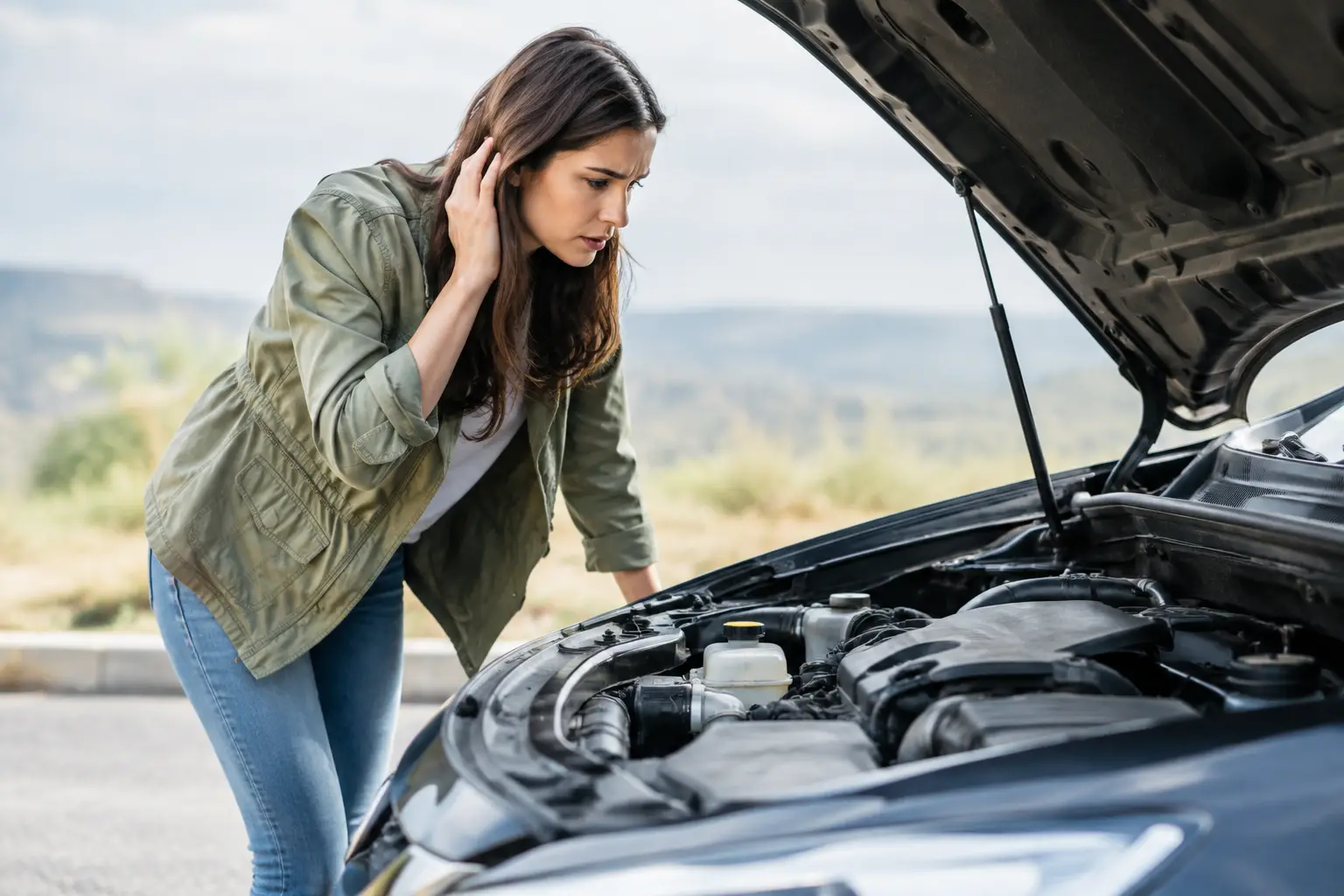
A dead battery can turn a normal drive through Kenner or New Orleans into a stressful stop, especially when you are parked at work, headed home late, or traveling with family. The good news is that most battery problems have clear warning signs, and the right next step can protect both your safety and your vehicle.
If your car will not start, do not keep turning the key or pressing the start button over and over. That can drain the remaining charge and may not solve the real issue. First, get to a safe location if possible, turn on your hazard lights, and determine whether you need a jump-start, battery service, or a tow.
How to Tell if You Have a Dead Battery
A battery problem often looks simple: you turn the key and nothing happens. But the symptoms can vary depending on the vehicle and the condition of the battery.
With a weak or dead battery, you may hear rapid clicking when you try to start the engine. The dashboard lights may be dim, the interior lights may flicker, or the power locks may respond slowly. In some vehicles, the engine may crank very slowly before failing to start. A push-button vehicle may show warning messages or briefly power on before going dark.
Louisiana heat can be hard on automotive batteries. High temperatures speed up the chemical wear inside the battery, and frequent short trips may not give it enough time to recharge. A battery that worked yesterday can fail without much warning, particularly if it is already several years old.
Still, a no-start condition is not always a battery issue. A failing alternator, loose battery cable, blown fuse, starter problem, or fuel and ignition issue can cause similar symptoms. That is why a professional roadside assessment is often the safer choice when a jump-start does not get you moving.
What to Do When a Dead Battery Leaves You Stranded
Your first priority is location. If your vehicle is stopped in a travel lane, near a busy intersection, on a bridge, or in an area with limited visibility, move to safety if you can do so without risk. Turn on hazard lights and stay aware of surrounding traffic. Do not stand beside the vehicle on the traffic side.
If you are safely parked, check for obvious causes. A dome light, headlights, phone charger, or accessory left on can drain a battery. Make sure the vehicle is in Park or Neutral and that the parking brake is engaged. If you can see the battery safely, look for visibly loose cables or heavy corrosion around the terminals. Do not touch damaged wiring, leaking battery fluid, or swollen battery cases.
Avoid repeated start attempts. One or two attempts can help identify the issue. Ten attempts usually just leave you with less power and more frustration. If the engine does start after a weak crank, keep in mind that this does not prove the battery is healthy. It may die again as soon as you turn the vehicle off.
Is It Safe to Jump-Start Your Car?
A jump-start can be a practical solution when the battery was drained by lights or accessories and the battery itself is still in usable condition. It is not the right answer for every situation.
Do not attempt a jump-start if the battery is cracked, leaking, swollen, frozen, or giving off a strong rotten-egg smell. Keep sparks, cigarettes, and open flames away from the battery area. If you are unsure where the jump points are located, especially in a newer vehicle, do not guess. Incorrect cable placement can damage electrical components and create a safety hazard.
Hybrid and electric vehicles require extra care. Their high-voltage systems are not handled like a standard 12-volt battery, even though many have a separate 12-volt battery for accessories and startup functions. Check the owner’s manual or request professional roadside help rather than attempting an unfamiliar connection.
A trained operator can provide the correct jump-start procedure, check basic signs of a larger issue, and help you decide whether driving is reasonable or whether the vehicle should be transported.
When a Jump-Start Is Not Enough
A successful jump-start is only a temporary fix when the underlying problem has not been addressed. If the engine starts and then dies shortly after, the alternator may not be charging the battery. If the battery light remains on while driving, treat that as a warning that the charging system needs attention.
You should also arrange testing or transport if the vehicle needs frequent jump-starts, if it has been sitting unused for an extended period, or if the battery is more than a few years old. A battery can hold enough charge to start once, then fail again at the next stop.
Call for a tow instead of trying to drive when the vehicle will not stay running, warning lights are active, cables are damaged, or you are far from a safe repair location. The same applies if you are stuck in a parking garage, on a narrow shoulder, or somewhere where working around the vehicle is unsafe. A flatbed may be the best option for vehicles with low clearance, all-wheel drive concerns, collision damage, or electrical issues that make roadside troubleshooting impractical.
Common Reasons Batteries Fail
Battery failure is not always avoidable, but understanding the common causes can reduce surprise breakdowns. The most frequent reasons include:
- Age and normal internal wear, particularly after three to five years of use.
- Extreme heat, which can shorten battery life in South Louisiana.
- Lights, accessories, or electronics left on after the engine is off.
- Corroded or loose terminals that prevent a solid connection.
- Alternator or charging-system problems that leave the battery undercharged.
Short drives can also contribute. Starting an engine uses a significant amount of battery power, and a quick trip may not replace it fully. This can matter for vehicles used mostly for errands, school drop-offs, or occasional weekend driving.
Preventing the Next Battery Problem
You cannot prevent every failure, but a few habits make a difference. Have the battery and charging system tested during routine maintenance, especially before a long road trip or hurricane-season travel. Keep battery terminals clean and secure, and ask a technician to inspect the battery mounting bracket. A loose battery can vibrate, wear prematurely, and damage its connections.
Before leaving the vehicle, check that headlights, cabin lights, and chargers are off. If your vehicle will sit for weeks, consider a battery maintainer designed for your vehicle type. Do not assume starting it for a few minutes in the driveway will fully recharge it. A proper drive or approved charger is more effective.
It also helps to keep your roadside plan simple. Know your location, keep your phone charged when possible, and have a dependable 24/7 roadside provider ready before a breakdown happens. When you call, be prepared to share your vehicle year, make, model, exact location, whether you are in a safe place, and what happens when you try to start it. That information helps dispatch send the right equipment.
Fast Roadside Help in Kenner and New Orleans
When a dead battery interrupts your day or leaves you stranded after dark, quick help matters. Zain Towing LLC provides 24/7 roadside assistance, including professional jump-starts and towing for drivers across the Kenner and New Orleans area. Licensed and insured operators can assess the situation, help get your vehicle started when appropriate, or arrange secure transport when a jump is not the safe answer.
The goal is simple: reduce your wait, protect your vehicle, and get you to the next safe step without unnecessary stress. If your battery has failed, stay visible, stay clear of traffic, and call for help before a small no-start becomes a bigger roadside problem.
Need help right now?
Zain Towing runs 24/7 in Kenner, New Orleans, Metairie, Harahan and Gretna. Call (504) 666-9099 or see our towing service, roadside assistance and New Orleans pages.