
Fleet Towing Response When Every Minute Matters
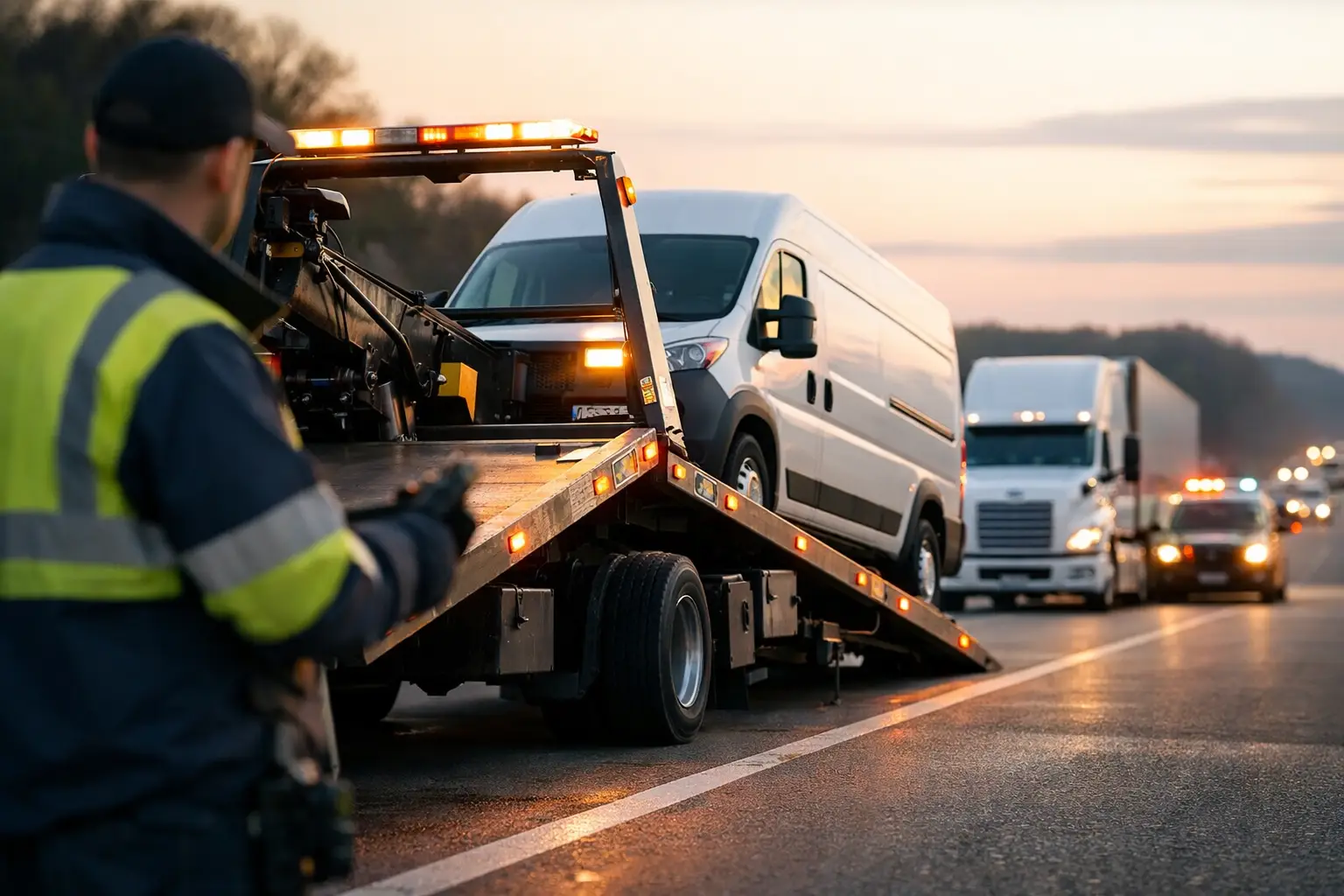
A disabled work vehicle does more than block a lane or parking space. It can delay deliveries, leave a driver exposed on a busy New Orleans-area road, disrupt appointments, and cost your business revenue by the hour. A reliable fleet towing response gives your driver one clear next step: call for help, share the location and vehicle details, and get the right truck dispatched without guessing.
For business owners, dispatchers, and drivers, speed matters. So does sending the correct equipment, protecting the vehicle from further damage, and getting accurate updates while the situation is still developing. That is what separates a professional tow from a frustrating delay.
What Fleet Towing Response Should Cover
Fleet service is not just about moving a vehicle from point A to point B. It is a coordinated response to an interruption in your operation. The towing company needs enough information to identify the vehicle, understand the problem, assess the pickup conditions, and determine whether roadside assistance can get the unit moving or whether it needs transport.
A proper response may include towing after a mechanical failure, accident recovery, flatbed transport for a vehicle that should not be driven, tire help, jump-start service, fuel delivery, or lockout assistance. The best option depends on what happened and where the vehicle is located.
For example, a service van with a dead battery in a customer parking lot may only need a jump-start. A delivery truck with front-end damage after a collision may need a carefully planned tow. A vehicle with transmission trouble or an overheated engine is often safer on a flatbed, especially if driving it farther could cause more damage.
A towing provider should also be ready for the vehicles your business actually operates. Light- and medium-duty cars, pickups, SUVs, vans, motorcycles, and certain commercial vehicles do not all require the same approach. Matching the truck and operator to the job is a safety decision, not a minor detail.
Why Fast Response Is Only Part of the Job
A fast arrival goal is valuable, particularly when a driver is stranded on I-10, near the airport, on a crowded city street, or after dark. But a rushed tow performed with the wrong equipment can create a second problem. Fleet owners need both urgency and careful handling.
Professional operators assess the vehicle's condition before loading. They consider whether the wheels roll, whether the steering is locked, whether there is visible collision damage, and whether the vehicle is in a location that requires traffic awareness or recovery planning. They use appropriate securement methods and equipment designed to reduce the risk of damage during loading and transport.
That is especially important for vehicles carrying tools, inventory, customer property, or specialized equipment. A van may be your rolling office. A pickup may be needed for the next job. Even when a vehicle is already out of service, careless transport can make the repair bill worse and keep it down longer.
Licensed and insured towing also matters. Your business should not have to wonder whether the operator arriving at the scene is qualified to handle the vehicle or prepared to transport it safely. Clear dispatch information, trained staff, and proper coverage provide more confidence when the pressure is on.
How to Get the Right Tow Truck Dispatched
The first call can determine how quickly the situation gets resolved. Drivers do not need towing expertise, but a few basic details help dispatch send the right response.
Start with the exact location. A street name alone may not be enough on a highway, in a large parking lot, or near a complex interchange. Drivers should share the nearest cross street, mile marker, business name, gate number, or landmark when possible. If the vehicle is blocking traffic or sitting in an unsafe position, say so immediately.
Next, identify the vehicle by year, make, model, and type. Let dispatch know whether it is a sedan, work van, pickup, SUV, motorcycle, RV, or medium-duty truck. Mention modifications, oversized tires, low ground clearance, loaded cargo, a trailer, or damage that affects the wheels or steering.
Then explain what happened in plain language. “It will not start,” “the tire is flat,” “we were in an accident,” and “the engine is overheating” are all useful starting points. You do not need to diagnose the vehicle. A good dispatcher will ask the follow-up questions needed to decide whether roadside help or towing is the safer choice.
Finally, provide a destination. That may be your preferred repair shop, a dealership, your fleet yard, or another secure location. For after-hours calls, confirm whether the destination can receive the vehicle. If it cannot, ask about safe alternatives before the truck arrives.
Building a Better Fleet Towing Response Plan
The worst time to decide how your company handles disabled vehicles is when a driver is already late, stressed, and stopped on the shoulder. A basic plan keeps small incidents from becoming long phone calls and unclear decisions.
Give drivers one approved towing contact and clear instructions for what to report. Keep the contact information in company vehicles and in the phones used by supervisors or dispatch staff. Drivers should know that their first priority is personal safety, not trying to force a damaged vehicle to move.
Your internal process should also establish who can authorize a tow, where vehicles should be transported, and how drivers should report damage or retrieve keys, equipment, and paperwork. If your company runs after hours, make sure drivers know who answers the phone when a breakdown happens at 2 a.m.
For businesses with several vehicles, maintain a simple record of unit numbers, vehicle types, preferred repair locations, and any special handling needs. This saves time during dispatch and reduces the chance of sending a vehicle to the wrong destination. It also helps your team spot recurring issues, such as repeated battery failures or tire damage on a certain route.
When Roadside Assistance Makes More Sense Than Towing
Not every interruption calls for a tow. On-demand roadside service can be the fastest and most cost-effective answer when the vehicle is otherwise safe to drive.
A jump-start may get a driver back to the shop or allow the vehicle to reach a battery service location. Tire help may be enough if the spare is usable and the vehicle has no other damage. Lockout service can save a workday when keys are inaccessible but the vehicle is mechanically sound.
There are limits. If a vehicle has warning lights, leaking fluids, collision damage, overheating, brake concerns, or a problem that could affect safe operation, towing is usually the smarter choice. Sending a driver back onto the road with an uncertain vehicle can create a larger repair, a second breakdown, or a serious safety risk.
A dependable provider will not treat every call as the same job. They will help determine the practical next step based on the vehicle, the condition, the location, and the destination.
Local Knowledge Matters Around Kenner and New Orleans
Traffic patterns, weather, bridge routes, narrow streets, and crowded event areas can all affect towing time and recovery planning. A provider familiar with Kenner and the New Orleans metro area can make practical decisions about access, pickup conditions, and the safest route for transport.
Local coverage is particularly useful for companies with drivers moving between job sites, airport areas, industrial locations, hotels, residential neighborhoods, and surrounding highways. A quick dispatch is helpful, but regular familiarity with the area can also reduce confusion when a driver is unsure exactly where they are.
Zain Towing LLC provides 24/7 towing, recovery, and roadside assistance for light- and medium-duty vehicles, with trained operators focused on safe handling and a fast, friendly response. Whether the need is an urgent roadside call or planned local or long-distance transport, the goal is the same: get the vehicle handled correctly and get your operation moving again.
What Drivers Should Do While Waiting
After calling for assistance, drivers should move to a safer location if they can do so without crossing traffic or putting themselves in danger. Turn on hazard lights, keep doors locked when appropriate, and avoid standing near moving traffic. At night or in poor weather, visibility becomes even more important.
Drivers should not attempt roadside repairs in an unsafe location, crawl beneath the vehicle, or accept help from an unverified tow operator. If there has been an accident, follow law enforcement instructions and document the condition of the vehicle when it is safe to do so.
Keep the phone available for dispatch updates. If the location changes, the vehicle is moved by authorities, or road conditions become more dangerous, notify the towing company right away. Accurate communication helps the operator arrive prepared rather than losing valuable time searching or reassessing the job.
When one of your vehicles is down, the next decision should be simple. Call for a professional fleet towing response that puts driver safety, secure transport, and clear communication first, then let trained operators take it from there.
Need help right now?
Zain Towing runs 24/7 in Kenner, New Orleans, Metairie, Harahan and Gretna. Call (504) 666-9099 or see our towing service, roadside assistance and New Orleans pages.