
Guide to Towing Roadside Safety for Safer Stops
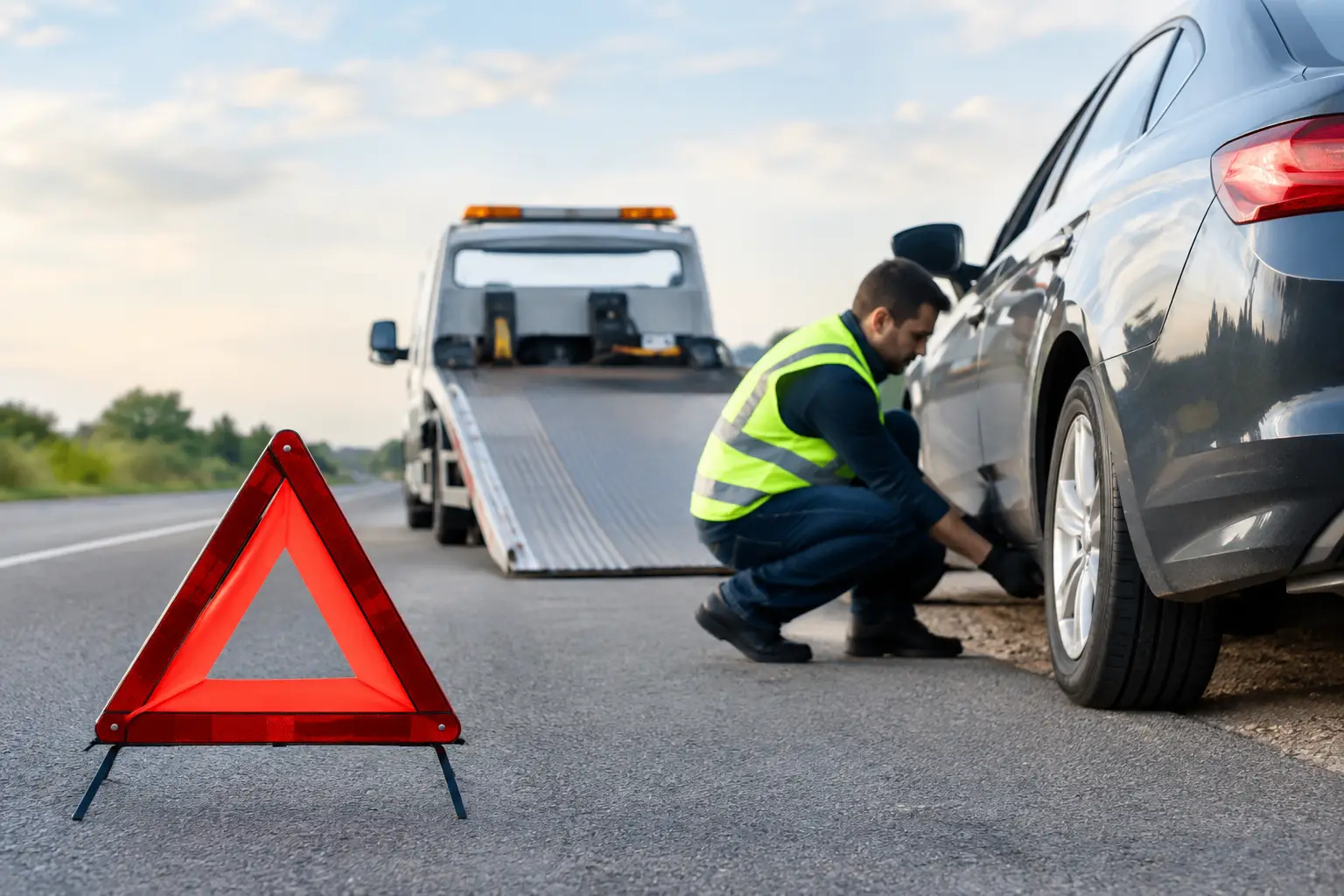
A breakdown on I-10, Veterans Memorial Boulevard, or a busy New Orleans side street can turn stressful fast. This guide to towing roadside safety gives you a clear plan for protecting yourself, your passengers, and your vehicle until professional help arrives. Your first job is not diagnosing the problem. It is getting out of immediate danger and making sure the tow operator can find you safely.
Guide to Towing Roadside Safety: Your First Five Minutes
The moment you realize your vehicle has a problem, turn on your hazard lights. Whether you have a flat tire, overheating engine, dead battery, or mechanical failure, flashing hazards warn approaching drivers that your vehicle is moving slowly or stopped.
If the vehicle is still safe to drive, reduce speed gradually and look for the safest available place to stop. A parking lot, service road, wide shoulder, or exit ramp is far safer than stopping in an active travel lane. Do not make a sudden turn across traffic to reach a shoulder. Keep both hands on the wheel, avoid hard braking, and move over only when there is a safe opening.
Once stopped, place the vehicle in park, set the parking brake, and keep your hazard lights on. At night, during heavy rain, or in low-visibility conditions, your vehicle may be difficult for other drivers to see. If you have reflective triangles or road flares and it is safe to place them, use them according to their instructions. Never walk into traffic to set out warning devices.
Call 911 first if there is an injury, a fire, fuel leaking from the vehicle, downed power lines, a crash blocking traffic, or a vehicle stopped in a dangerous lane. Towing service is the next step after emergency responders have been contacted when needed.
Decide Whether to Stay in the Vehicle or Move Away
There is no single answer for every roadside stop. Your safest choice depends on traffic speed, shoulder width, weather, visibility, and where the vehicle is positioned.
If you are safely off the roadway with enough space between your vehicle and moving traffic, staying inside with your seat belt fastened is often the best option. Keep the doors locked, limit distractions, and wait for the tow operator to arrive. This is particularly practical during heavy rain, extreme heat, or late-night breakdowns.
If your vehicle is stopped in a travel lane, on a narrow shoulder, or near fast-moving traffic, getting out of the vehicle may be safer if you can exit away from traffic and move to a protected area. Do not stand beside the vehicle, behind it, or between it and traffic. If you leave the vehicle, move well away from the road when possible and remain visible to the tow operator without putting yourself back in danger.
Use extra caution on bridges, curves, ramps, and construction zones. These locations give approaching drivers less time to react. On a narrow bridge or shoulderless road, call emergency services and explain exactly where you are. Do not attempt a tire change or roadside repair where passing traffic is close.
Give Dispatch the Details That Get the Right Truck There
A fast response starts with accurate information. When you call for towing or roadside assistance, state your location first. Use a nearby cross street, mile marker, business name, exit number, or landmark. Your phone map can help, but look around as well. A pin dropped in the wrong lane or on the opposite side of a divided highway can delay service.
Then explain what vehicle you have and what happened. Dispatch needs to know whether you drive a sedan, SUV, pickup, motorcycle, van, RV, or another vehicle type. Mention whether the vehicle is all-wheel drive, has low ground clearance, is loaded with cargo, has a locked wheel, or is in a parking garage. These details help send the proper equipment, from a light-duty tow truck to a flatbed or medium-duty unit.
Be direct about the condition of the vehicle. Say if it will not start, has a flat tire, is overheating, was in a collision, is stuck, or cannot roll. If you need a lockout service, jump-start, fuel delivery, or tire help instead of a tow, say so. The right service can save time and prevent unnecessary vehicle handling.
Before ending the call, confirm the pickup location, destination, vehicle description, and callback number. Keep your phone charged if possible. If your battery is low, tell dispatch right away and avoid using it for anything except essential communication.
What Not to Do While Waiting for a Tow
A stopped vehicle creates pressure to act quickly, especially when traffic is rushing past. That pressure leads to risky decisions. Avoid these common mistakes:
- Do not accept towing help from an unverified person who arrives without being dispatched by you, law enforcement, or your insurer.
- Do not crawl under your vehicle, even if you think the problem is minor or the tow operator has not arrived yet.
- Do not stand in front of or behind a vehicle that could roll, particularly on a slope or after a collision.
- Do not attempt to push a disabled vehicle through traffic unless emergency personnel are directing the move.
- Do not leave children, older passengers, or pets exposed near active traffic while you inspect the vehicle.
You should also avoid repeatedly trying to start a vehicle that is smoking, overheating, making grinding noises, or showing warning lights after a collision. Continuing to operate it can turn a repairable issue into engine damage or a fire risk.
Prepare Your Vehicle for Safe Towing
When the tow truck arrives, identify the operator before authorizing service. A professional company will have a marked truck, appropriate equipment, and an operator who can explain the next steps. Ask where your vehicle will be taken and confirm the destination before loading begins.
Tell the operator about any damage from the breakdown or collision, along with relevant mechanical issues. Point out low bumpers, modified suspension, wheel damage, a locked steering wheel, or any parts hanging beneath the vehicle. These details matter because the safest loading method depends on your vehicle's condition.
Remove valuables, medication, work equipment, important documents, and anything you will need immediately from the vehicle if it is safe to do so. Check the trunk, glove box, center console, and child seats. Once the vehicle is loaded, access may be limited until it reaches the destination.
Do not remain inside a vehicle while it is being loaded, winched, or transported unless emergency responders give specific instructions. Keep passengers clear of cables, chains, ramps, and moving equipment. Tow operators need room to work safely, especially on wet pavement, tight streets, and highway shoulders.
Flatbed towing is often a strong option for damaged vehicles, all-wheel-drive vehicles, low-clearance cars, motorcycles, and longer-distance transport because it keeps all wheels off the ground. Still, the right method depends on the vehicle and its condition. A trained operator should make that call after inspecting the situation.
Roadside Safety After a Collision
After a crash, move to a safe location only if the vehicle can be driven safely and moving it does not conflict with police instructions. Turn on hazards, check for injuries, and call 911 when appropriate. Exchange information with the other driver, but stay focused on your surroundings. Traffic, broken glass, leaking fluids, and distracted drivers can create a second emergency.
Take photos if you can do so from a safe position. Document the vehicle's condition, roadway, nearby signs, and visible damage before towing. If police are involved, ask about the report process and whether they have towing instructions. Never argue with another driver in the roadway or stand between vehicles.
For a collision-damaged vehicle, do not assume it can be driven because it still starts. A bent wheel, leaking radiator, loose bumper, damaged lighting, or impaired steering can make a short drive unsafe. Professional transport protects the vehicle from further damage and gets it off the road without creating another hazard.
Keep a Simple Roadside Safety Kit
You do not need a trunk full of tools to be prepared. A basic kit should include a charged phone cable, flashlight, reflective triangles, jumper cables or a battery pack, drinking water, basic first-aid supplies, and a rain poncho. In Louisiana heat, water and a working phone charger are especially useful. If you regularly travel with children, add needed medications, snacks, and weather-appropriate items.
Review your vehicle's roadside coverage and keep your towing provider's number saved before you need it. Zain Towing LLC provides 24/7 towing, recovery, and roadside assistance for drivers in Kenner and the New Orleans area, with trained operators and equipment for safe vehicle handling.
When your vehicle stops, slow down, get visible, choose the safest available location, and call for qualified help. A calm decision in the first few minutes can protect everyone at the roadside and make the recovery process much easier.
Need help right now?
Zain Towing runs 24/7 in Kenner, New Orleans, Metairie, Harahan and Gretna. Call (504) 666-9099 or see our towing service, roadside assistance and New Orleans pages.