
Guide to Towing Insurance Claims After a Tow
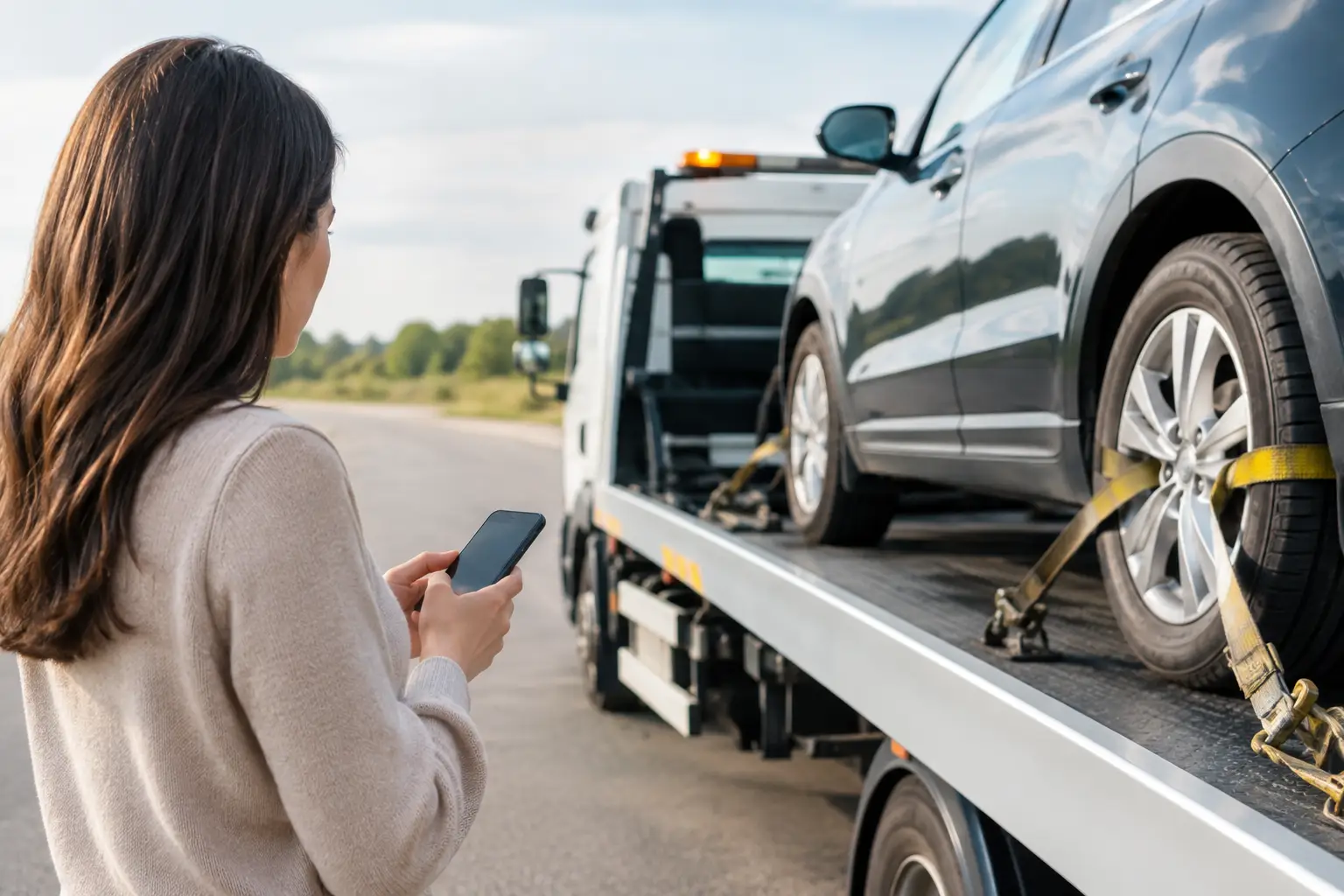
A tow is often the first expense after an accident, dead battery, roadside breakdown, or vehicle recovery. This guide to towing insurance claims explains what to document, who to call, and how to avoid surprises when you ask your insurer to reimburse towing or transport costs.
The most useful rule is simple: protect the vehicle, preserve the paperwork, and report the claim promptly. Insurance coverage can vary by policy, cause of loss, vehicle type, and where the tow was needed. A quick, organized response gives your insurer the information it needs and gives you a clearer path to reimbursement.
Start Your Towing Insurance Claim at the Scene
Your safety comes first. If the vehicle is in traffic, damaged after a collision, flooded, or unable to move safely, get to a safe location when possible and request professional help. If police are involved, ask how to obtain the incident or crash report number before you leave.
Take photos before the tow if conditions allow. Get wide shots of the vehicle and its location, then photograph visible damage, the license plate, and any warning lights. For an accident, include the other vehicles, road conditions, debris, and traffic signs if they are relevant. These photos help establish the condition of the vehicle before transport.
When the tow truck arrives, confirm the pickup address, destination, vehicle make and model, and any special handling needs. Tell the operator about low clearance, locked wheels, all-wheel drive, collision damage, aftermarket equipment, or a key that is unavailable. A professional operator can select the right equipment and loading method, reducing the risk of additional damage.
Ask for an itemized receipt. It should show the towing company name, date and time, pickup and drop-off locations, vehicle information, service performed, and total charge. If there are storage, recovery, winching, mileage, or after-hours charges, make sure they are clearly listed.
Know Which Coverage May Pay for the Tow
Towing reimbursement does not always come from the same part of an insurance policy. The answer depends on why your vehicle needed to be moved.
Roadside assistance or towing and labor coverage may pay for a disabled vehicle after a flat tire, mechanical breakdown, lockout, dead battery, or similar problem. This coverage commonly has a dollar limit, a mileage limit, or both. It may cover the tow itself but not repairs at the shop.
Collision coverage may apply when a crash caused the vehicle to be undrivable. If another driver caused the accident, their liability insurer may ultimately be responsible for reasonable towing and storage expenses. In the meantime, your own collision coverage may handle the claim faster, depending on your deductible and policy terms.
Comprehensive coverage can apply when the tow followed a non-collision event, such as theft recovery, vandalism, fire, falling objects, or certain weather damage. Flooded vehicles and vehicles stuck due to storm conditions can be more complicated. Coverage depends on the cause of the loss and the language in your policy.
Do not assume every cost is covered. A policy may pay to tow your vehicle to the nearest qualified repair facility, but not to a shop farther away by personal preference. Long-distance transport, specialty recovery, storage, and multiple tows can also have separate limits. Ask the adjuster what is approved before authorizing optional services whenever the situation is not an emergency.
When another driver is at fault
If another driver caused the accident, collect their insurance details, vehicle information, and the police report number. Notify your insurer as well, even if you plan to make a claim against the other driver. Your carrier can explain whether using your own coverage is the safer route while fault is being investigated.
Keep in mind that liability claims can take time. Storage charges can grow every day, and an insurer may question charges that could have been avoided. Move the vehicle to an approved repair shop or another safe destination as soon as you receive instructions.
Save the Documents That Support Your Claim
A claim is easier to process when every record tells the same story: what happened, why the vehicle could not be driven, where it was taken, and what the service cost. Create one folder on your phone or email account and keep all claim-related records together.
Save the itemized tow invoice, payment receipt, dispatch confirmation, photos, police report number, repair estimate, and messages from the insurance company. If a roadside assistance plan arranged the tow directly, keep the service confirmation anyway. It can help if there is a billing dispute or if the shop needs proof of delivery.
Write down a short timeline while the details are fresh. Include the breakdown or accident time, when you called for help, tow arrival time, destination, and the name of anyone you spoke with at the insurer. This is especially helpful after a stressful accident, when small details can blur together.
If you believe your vehicle was damaged during loading or transport, notify the towing company and your insurer promptly. Photograph the issue before repairs begin, keep the original invoice, and avoid assuming fault before an inspection. A licensed and insured provider should take a damage concern seriously and work from the documented facts.
Call Your Insurer Without Delaying Needed Service
You do not need to wait for an insurance adjuster to request emergency towing when your vehicle is unsafe or blocking traffic. Get the vehicle out of danger first. Then contact your insurer or roadside assistance provider as soon as you can.
When you call, have your policy number, vehicle location, destination, reason for the tow, and receipt total ready. Ask direct questions: Is towing covered under this claim? Is there a reimbursement limit? Does the vehicle need to go to a specific shop? Are storage fees covered? What documents should I submit, and where should I send them?
Record the claim number and the representative's name. If you submit receipts through an app or online portal, save screenshots showing the upload was completed. A receipt sent without a claim number or supporting detail can sit longer than it should.
Avoid common reimbursement problems
The biggest preventable issue is missing paperwork. A credit card charge alone may not show why the service was needed or where the vehicle went. An itemized receipt is stronger evidence.
Another issue is unnecessary storage. If a vehicle is taken to an impound lot or tow yard after an accident, contact the insurer quickly. Ask whether the vehicle should be moved and who will authorize payment. Waiting several days can create charges that exceed policy limits or lead to disputes.
Finally, avoid selecting a tow destination based only on convenience if your insurer has specific requirements. This does not mean you must accept unsafe handling or delay emergency service. It means that, once the immediate danger has passed, a quick call can prevent an out-of-pocket difference.
Choose Safe Transport and Get Clear Records
The right tow protects both your vehicle and your claim. Flatbed transport is often preferred for vehicles with accident damage, all-wheel drive, low ground clearance, luxury finishes, motorcycles, or unknown mechanical issues. Wheel-lift towing may be appropriate for certain vehicles and situations when performed correctly.
For drivers in Kenner and the New Orleans area, Zain Towing LLC provides 24/7 towing, recovery, and roadside assistance with trained operators and insured service. Before dispatch, provide accurate pickup details, vehicle condition, and destination so the appropriate truck can be sent without delay.
A clear receipt, careful loading, and secure delivery do more than make the tow easier. They give you the documentation and confidence to move forward with the insurance process.
If you are stranded now, focus on getting to safety, request professional towing, and keep every record from the first call through final vehicle delivery. That small amount of organization can make a difficult day much easier to resolve.
Need help right now?
Zain Towing runs 24/7 in Kenner, New Orleans, Metairie, Harahan and Gretna. Call (504) 666-9099 or see our towing service, roadside assistance and New Orleans pages.