
How to Respond to Engine Overheating Safely
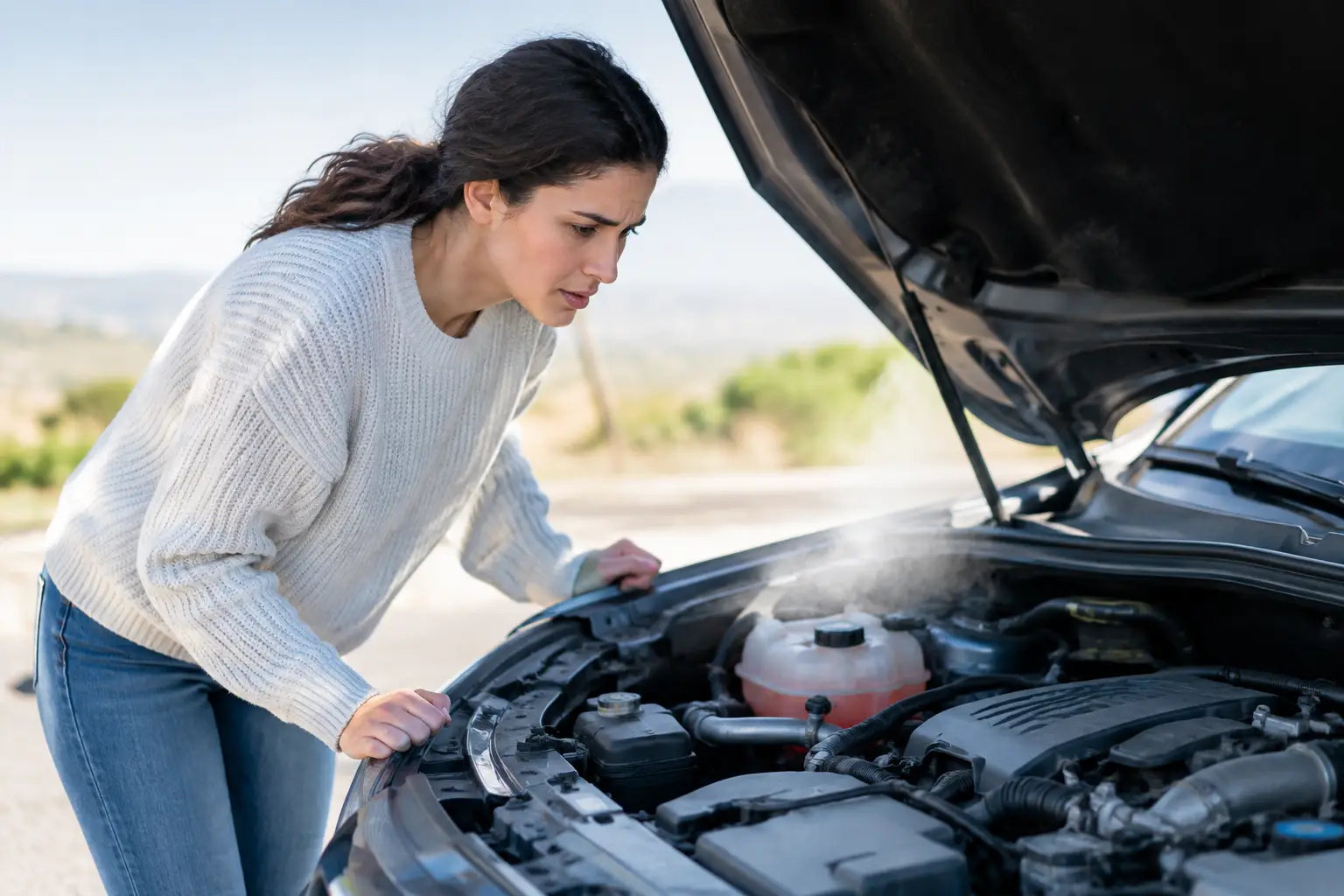
A temperature gauge climbing into the red can turn an ordinary drive through Kenner or New Orleans into a roadside emergency fast. Knowing how to respond to engine overheating can protect you, prevent serious engine damage, and help you make the right call about towing instead of risking a much larger repair bill.
An overheating engine is not a warning to ignore until you reach your destination. Heat can damage head gaskets, warp cylinder heads, crack engine components, and leave your vehicle unable to run safely. The right response is calm, quick, and focused on getting out of traffic without putting yourself in danger.
Respond to Engine Overheating: Pull Over Safely
If your temperature gauge moves toward hot, an engine temperature warning light comes on, or you see steam from under the hood, reduce stress on the engine immediately. Turn off the air conditioning, which adds load to the engine. If you are still moving and have a safe route ahead, turn the heater to its hottest setting and run the fan. It may be uncomfortable, especially in Louisiana heat, but the heater can pull some heat away from the engine while you find a safe place to stop.
Do not slam on the brakes or stop in an active travel lane unless the vehicle is already losing power and you have no alternative. Use your turn signal, pull into a parking lot, shoulder, or other safe area as soon as possible, and turn on your hazard lights. On a busy highway, your first priority is being visible and staying clear of traffic.
Once you are parked, put the transmission in park, set the parking brake, and turn off the engine. Do not keep it idling in hopes that it will cool down. An engine that continues to run while overheating can suffer more damage by the minute.
If Steam Is Coming From the Hood
Steam can look alarming, but it often means coolant is boiling or escaping from the cooling system. Keep your distance from the front of the vehicle, especially if steam is heavy. Hot coolant and pressurized steam can cause severe burns.
Leave the hood closed at first and allow the vehicle to cool. Opening the hood immediately can expose you to a blast of heat and steam. After the steam has stopped and the engine has had time to cool, you may raise the hood carefully to let trapped heat escape, but keep your hands and face away from the radiator area.
Never remove the radiator cap or coolant reservoir cap while the engine is hot. The cooling system is pressurized, and hot coolant can spray out without warning. Waiting is frustrating when you are stranded, but it is far safer than a trip to the emergency room.
What You Can Check After the Engine Cools
Give the vehicle at least 30 minutes to cool down, and longer if it was steaming heavily or the temperature gauge was fully in the red. Conditions matter. A vehicle sitting in direct sun on a hot New Orleans afternoon may need more time before it is safe to inspect.
After the engine is cool, look for obvious signs of a cooling-system problem. Check beneath the vehicle for a puddle or steady drip of coolant. Coolant is commonly green, orange, pink, yellow, or blue, depending on the vehicle. It may have a sweet smell, but do not touch it. Keep children and pets away because coolant is toxic.
You can also inspect the visible coolant reservoir. If the level is low, that may point to a leak, but adding coolant alone does not solve the reason the vehicle overheated. A damaged hose, failed radiator fan, stuck thermostat, broken water pump, clogged radiator, or internal engine issue can all cause the same warning.
If you carry the correct manufacturer-approved coolant and the engine is completely cool, topping off a low reservoir may help in limited situations. Do not pour cold water or coolant into a hot engine. The sudden temperature change can damage metal components, and water is only a temporary emergency measure when the correct coolant is unavailable. It can also dilute the cooling system and lower its protection against corrosion and boiling.
Do Not Trust a Gauge That Drops Right Away
Some drivers see the temperature gauge return to normal after the vehicle cools and assume the problem is over. That is not always true. A low coolant level may allow the engine to cool temporarily, then overheat again as soon as you return to traffic. A failing thermostat or cooling fan can also create an intermittent problem that comes and goes.
If the warning light appeared, steam came from the hood, coolant leaked out, or the engine lost power, do not continue driving just because the vehicle restarts. Those are strong signs that safe transport is the better choice.
When You Should Call for a Tow
Towing is the smart option whenever there is uncertainty about whether the cooling system can do its job. The cost of a tow is usually far less than the cost of replacing a head gasket or engine after driving through an overheating warning.
Call for professional towing if you notice any of the following:
- The temperature gauge reaches the red zone or an overheating warning remains on.
- Steam is coming from under the hood or coolant is leaking onto the ground.
- The engine is running rough, losing power, knocking, or producing a sweet smell.
- You have added coolant, but the temperature rises again.
- The vehicle is stopped in an unsafe location, on a busy roadway, or in extreme heat.
- You are not sure what caused the overheating or whether the engine is safe to drive.
For a car, SUV, pickup, motorcycle, or other light- or medium-duty vehicle, a trained tow operator can move it without asking you to gamble on another mile. Flatbed towing is often a good option for vehicles that need secure, damage-conscious transport to a repair shop, home, or another destination.
Zain Towing LLC provides 24/7 towing and roadside dispatch for drivers in the Kenner and New Orleans area. When you call, provide your exact location, vehicle type, whether the engine is steaming or leaking, and where you need the vehicle taken. This helps dispatch send the appropriate truck and operator without delay.
What Not to Do With an Overheating Engine
Drivers often make an overheating problem worse by trying quick fixes at the roadside. Avoid driving hard to "push through" the warning, revving the engine to cool it down, or repeatedly restarting a vehicle that has already overheated. Each attempt adds heat and can turn a repairable cooling issue into major engine damage.
Do not open the radiator cap while hot, even if you are in a hurry. Do not pour cold water over the engine or radiator. And do not crawl beneath the vehicle near traffic to find a leak. If coolant is pouring out, there is no reliable roadside repair that makes driving safe.
It is also wise to avoid relying on the air conditioning being cold as proof that everything is fine. The A/C system and engine cooling system are different, and a cool cabin does not mean the engine is safe. Watch the gauge and warning lights, not just how the vehicle feels.
Staying Safe While You Wait for Help
After you have moved to a safe location, stay aware of your surroundings. Keep hazard lights on. If you are on a high-speed road and can safely exit the vehicle, stand well away from traffic and behind a guardrail when possible. Do not stand directly in front of or behind your vehicle.
If you must remain inside because traffic is close or the shoulder is narrow, keep your seat belt fastened and the doors locked. Let the tow dispatcher know if you are traveling with children, elderly passengers, pets, or anyone who needs extra assistance. In Louisiana's heat and humidity, getting people to a safe, cooled location can be as urgent as moving the vehicle.
Take a few photos of the temperature gauge, warning lights, leaks, or steam only if you can do so safely. They can be useful for the repair shop later. Then focus on the next safe step rather than trying to diagnose every part under the hood.
Prevent the Next Overheating Problem
Cooling-system maintenance is not glamorous, but it is one of the most practical ways to avoid a breakdown. Follow your vehicle manufacturer's schedule for coolant service, use the correct coolant type, and have leaks checked promptly. A small drip today can become a major loss of coolant during a long commute or a stop-and-go drive in summer traffic.
Pay attention to early warning signs: a temperature gauge that runs higher than usual, coolant odors after parking, a heater that suddenly blows cold, a radiator fan that never seems to run, or the need to add coolant more than once. Those symptoms deserve a repair appointment before they leave you stranded.
When the gauge rises, protect the engine first and your schedule second. Pull over safely, let the vehicle cool, and arrange a tow when there is any doubt. A calm decision on the roadside can save your vehicle from a far more expensive problem.
Need help right now?
Zain Towing runs 24/7 in Kenner, New Orleans, Metairie, Harahan and Gretna. Call (504) 666-9099 or see our towing service, roadside assistance and New Orleans pages.