
Hurricane Vehicle Evacuation Before Traffic Builds
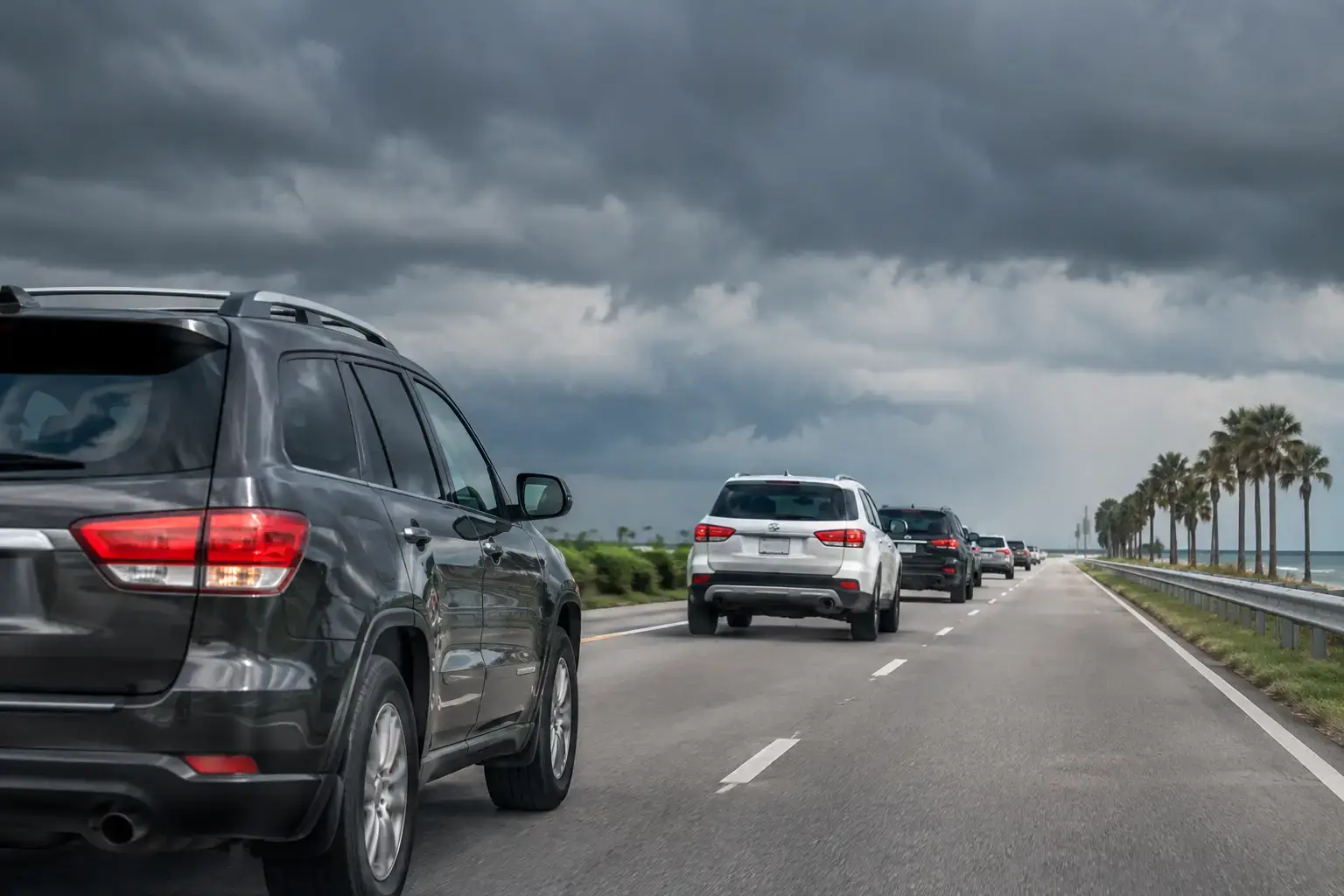
A hurricane vehicle evacuation can turn from a simple drive out of town into hours of stopped traffic, closed roads, empty fuel stations, and rising stress. In Kenner and the New Orleans area, the safest move is usually the one made early: know where you are going, prepare the vehicle before watches become warnings, and have a backup plan if your car cannot make the trip.
Evacuation decisions should always follow instructions from local and state emergency officials. If an evacuation order applies to your area, do not wait for the weather outside to convince you. Heavy rain, wind, flooding, and traffic can make a route unsafe long before the storm's center arrives.
Start Your Hurricane Vehicle Evacuation Early
Leaving early is not about beating everyone by a few minutes. It gives you more choices. Gas stations are more likely to have fuel, hotels and shelters may still have space, and you can change routes if traffic, an accident, or a road closure slows you down.
If you have an elderly family member, children, pets, medical equipment, or multiple vehicles to coordinate, build in even more time. A trip that normally takes two hours can take much longer during a regional evacuation. Pick a destination and at least one alternate destination before you load the car.
Drivers should also avoid the last-minute assumption that they can simply drive around floodwater or take an unfamiliar shortcut. Low-lying roads and underpasses can become dangerous quickly. Use official traffic and emergency updates, and stay on approved evacuation routes whenever possible.
Get the Vehicle Ready Before the Rush
A car that has been making a strange noise, overheating in traffic, or struggling to start is not a vehicle to gamble on during a hurricane evacuation. Handle maintenance concerns before the roads fill up. Check tire condition and pressure, fluids, battery performance, lights, wipers, and brakes. Make sure the spare tire and jack are present if your vehicle uses them.
Fill the fuel tank early. Do not wait until it reaches a quarter tank, especially when stations may be crowded or temporarily out of fuel. Electric vehicle owners should charge well ahead of departure and identify charging options along the planned route. The same principle applies to propane-powered RVs and vehicles towing trailers: prepare before demand spikes.
Keep a paper copy of key phone numbers, insurance information, vehicle registration, and your destination address. Phone batteries die, service can become unreliable, and a printed backup can save time when you need help. Put medications, water, snacks, chargers, flashlights, first-aid supplies, and weather-appropriate clothing where they are easy to reach, not buried under luggage.
Know When Towing Is the Safer Choice
Not every vehicle should be driven out of the area. A car with a mechanical failure, collision damage, bad tires, transmission trouble, or an intermittent electrical issue may leave you stranded on a packed evacuation route. That is a difficult place to discover that the vehicle cannot travel safely.
For a disabled vehicle, planned towing or flatbed transport can be the smarter option. It may allow you to move the car to a safer location, transport it to a repair facility, or avoid adding a risky vehicle to an already stressful trip. This is especially worth considering for classic cars, low-clearance vehicles, motorcycles, vehicles with accident damage, and cars that have been sitting unused.
The trade-off is timing. As a storm approaches, towing demand rises and travel conditions can change quickly. Calling before an emergency order or major road congestion gives dispatchers a better chance to assess the pickup location, vehicle type, and destination. Be ready to provide the exact address, vehicle make and model, condition of the vehicle, and whether the keys are available.
Zain Towing LLC provides 24/7 towing, flatbed transport, recovery, and roadside assistance for drivers in the Kenner and New Orleans area. For a vehicle that is not safe to evacuate in, requesting professional, insured transport early can prevent a breakdown from becoming a roadside emergency.
Pack for a Delay, Not Just the Drive
Evacuation traffic changes how you should pack. Your vehicle needs enough supplies for a delay that may last far longer than the normal travel time. Keep essentials in the passenger area, where they remain accessible if the trunk is blocked by bags or gear.
Bring enough drinking water for everyone in the vehicle, plus food that does not require refrigeration. Include medications, infant supplies, pet food and carriers, masks if anyone in the family needs them, and a basic first-aid kit. A manual phone charger or power bank is useful when outlets are unavailable. If you wear glasses or use mobility equipment, pack backups or necessary supplies before leaving.
For children, simple comfort items can matter more than people expect. A favorite book, headphones, or small activity can reduce stress during long periods of stopped traffic. For pets, carry records, leashes, waste bags, water, and a current photo in case you become separated.
Protect the Vehicle You Leave Behind
Sometimes one family vehicle leaves while another must remain at home. If you are leaving a vehicle behind, park it on the highest practical ground available and away from trees, loose objects, and areas known to flood. Do not park in a garage or parking area that could trap the vehicle behind floodwater.
Take photos of the vehicle from several angles before you leave. Document the mileage, exterior condition, and any valuable equipment inside. Remove important documents, spare keys, and loose items. Check with your insurer about hurricane-related coverage and understand what documentation may be needed if damage occurs.
Do not try to protect a vehicle by driving it onto sidewalks, medians, private property, or locations that block emergency access. Those decisions can create hazards for neighbors and first responders. A safe, legal parking plan is better than a rushed one.
If Your Car Breaks Down During Evacuation
A breakdown on an evacuation route requires quick, calm decisions. Turn on hazard lights and move as far off the travel lane as safely possible. If the vehicle is smoking, overheating, leaking fluid, or was involved in a collision, get everyone away from traffic when conditions allow. Do not stand between your vehicle and moving cars.
Call for roadside assistance or towing and give a precise location. Highway signs, nearby exits, mile markers, landmarks, and the direction of travel all help a dispatcher locate you faster. Tell the operator whether you have children, pets, a trailer, or a vehicle that cannot roll. These details determine the right equipment for the job.
Avoid accepting help from unverified operators who approach without being requested, particularly during a disaster. Confirm the company name, truck identification, and destination before your vehicle is loaded. Professional towing should include secure handling, clear communication, and transport suited to the vehicle's condition.
Do Not Drive Into Floodwater
Floodwater is one of the most dangerous hurricane driving hazards. Water can hide washed-out pavement, debris, downed power lines, open drains, and stalled vehicles. Even shallow-looking water can cause loss of control or engine damage, while moving water can carry a vehicle off the road.
If water covers the roadway, turn around and find another route. Do not rely on the vehicle in front of you to judge depth or safety. Conditions can change within minutes, especially near canals, underpasses, and low-lying streets around Southeast Louisiana.
If your vehicle stalls in rising water, leave it if you can safely reach higher ground. Do not remain inside a vehicle that is taking on water, and do not attempt to restart a flooded engine. Once you are safe, contact emergency services if needed and arrange professional recovery when conditions permit.
Make the Call Before Conditions Get Worse
A successful evacuation is not about rushing at the last minute. It is about leaving with a reliable vehicle, a realistic route, enough fuel and supplies, and a clear plan for mechanical trouble. If your car is questionable, get it inspected, repaired, or moved before the storm turns every delay into a bigger problem.
When severe weather is approaching, give yourself the advantage of time. Prepare early, follow official guidance, and choose safe transport over taking chances on a vehicle that may not get you where you need to go.
Need help right now?
Zain Towing runs 24/7 in Kenner, New Orleans, Metairie, Harahan and Gretna. Call (504) 666-9099 or see our towing service, roadside assistance and New Orleans pages.