
Overheating Warning Signs Every Driver Should Know
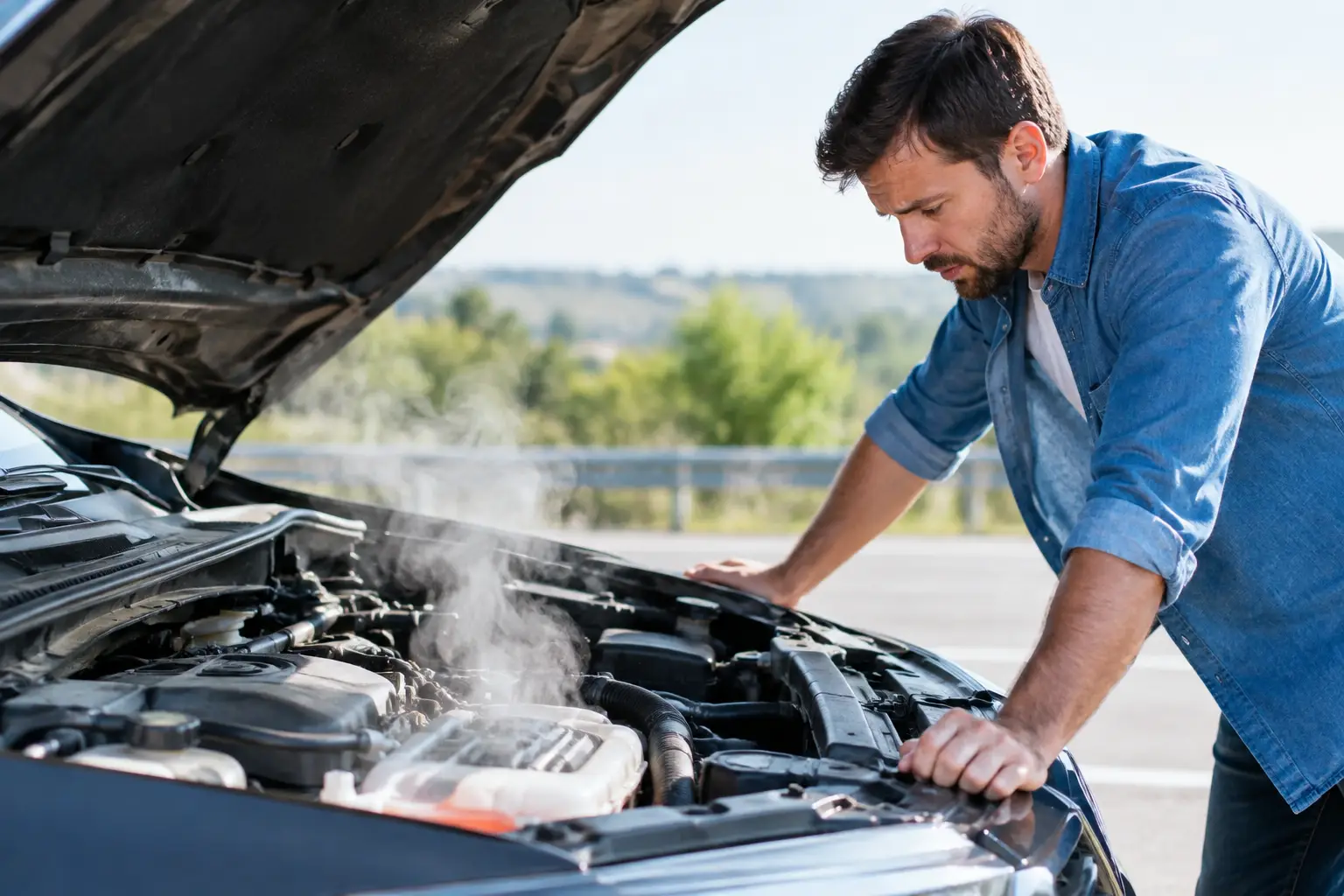
A temperature gauge climbing toward red on I-10, steam coming from under the hood in Kenner traffic, or a sweet smell after parking are overheating warning signs you should never try to “drive through.” Heat can turn a minor cooling-system problem into a blown hose, damaged engine, or unsafe roadside breakdown fast. The safest move is to recognize the problem early, pull over safely, and get help before more damage is done.
The Overheating Warning Signs That Require You to Stop
Your vehicle does not need to be pouring steam before it has a serious overheating issue. Modern vehicles often give drivers several warnings first, and responding to them can save you from an expensive repair.
The clearest warning is the temperature gauge moving above its normal position or a dashboard temperature warning light appearing. In many vehicles, this light looks like a thermometer over wavy lines. If the gauge reaches the red zone, the engine is too hot. Find a safe place to pull over as soon as traffic conditions allow.
Steam from the hood is another urgent sign. It may look like smoke, but it is commonly hot coolant vapor escaping from the radiator, hose, reservoir, or another part of the cooling system. Do not lift the hood while steam is actively blasting out, and never remove a radiator cap from a hot engine. Pressurized coolant can cause severe burns.
A sharp sweet odor can also point to leaking coolant. Coolant often smells sugary or chemical-like, especially when it hits hot engine parts. You may see a green, orange, pink, yellow, or blue puddle under the vehicle, depending on the coolant used. Any unexplained fluid leak deserves attention, but a coolant leak combined with a rising temperature gauge means it is time to stop driving.
Other signs may be less obvious. Your heater may suddenly blow cold air when you have it set to warm, the air conditioner may stop cooling, or the engine may lose power and feel sluggish. Some vehicles display a “coolant temperature high” message before the gauge becomes critical. Treat that warning as a stop-now situation, not a suggestion to keep going until you reach home.
Why Cars Overheat in New Orleans-Area Driving
Summer heat, heavy traffic, stop-and-go bridge approaches, and long periods of idling can expose a weak cooling system. Hot Louisiana weather does not normally cause a well-maintained vehicle to overheat by itself. It does, however, make existing problems show up sooner.
Low coolant is one of the most common causes. Coolant carries heat away from the engine, and a leak can leave the system unable to do its job. A cracked hose, loose clamp, leaking radiator, damaged water pump, or failing reservoir cap can all allow coolant to escape.
A cooling fan that does not come on can cause overheating during traffic or while idling. If your temperature stays normal at highway speed but rises at red lights or in a drive-thru line, a fan, relay, sensor, or electrical issue may be involved. On the other hand, overheating at all speeds can point to low coolant, a stuck thermostat, a clogged radiator, a failing water pump, or an internal engine problem.
The trade-off is simple: continuing to drive may get you a few more miles, but it can also turn a repairable cooling-system issue into warped cylinder heads, head gasket damage, or engine failure. A tow is usually the lower-cost choice when the temperature warning is active.
What to Do When Your Temperature Gauge Rises
Stay calm, watch traffic, and focus on getting the vehicle out of harm’s way. Do not make sudden lane changes or stop in an unsafe location just to check under the hood.
First, turn off the air conditioner. The A/C adds load and heat to the engine. If you need to move a short distance to reach a safe shoulder, parking lot, or exit, turn the cabin heat to maximum and set the fan high. This can pull some heat away from the engine, though it is uncomfortable in Louisiana weather. It is only a temporary measure for reaching safety, not a fix.
Once safely parked, shift into park, apply the parking brake, and turn the engine off. If you are on a busy road, keep yourself and passengers away from moving traffic. If remaining in the vehicle is safer than standing near traffic, stay inside with seat belts fastened while you arrange assistance.
Let the engine cool completely before looking for obvious leaks. This can take 30 minutes or longer. Do not open the radiator cap, coolant reservoir cap, or any pressurized part of the cooling system while the engine is hot. Do not pour cold water on a hot engine. Sudden temperature changes can damage components, and steam can burn you.
If the vehicle has cooled and you can safely see that the coolant reservoir is empty, resist the urge to treat a refill as a guaranteed solution. Adding the wrong fluid, adding fluid to a hot system, or restarting a vehicle with a significant leak can make the situation worse. If you do not know why it overheated, professional diagnosis and transport are the safer call.
When You Should Call for a Tow Instead of Restarting
A restart may be reasonable only after the engine is fully cool, the temperature warning was mild, and you have no steam, visible leak, strange noises, or signs of severe engine trouble. Even then, watch the gauge closely and drive only far enough to reach a nearby repair facility. If the temperature begins climbing again, pull over immediately.
Call for a tow if you see steam, smell burning or coolant strongly, find a major leak, hear knocking, notice white smoke from the exhaust, or have a temperature gauge in the red. A tow is also the right choice if the vehicle overheated more than once, the warning returns after cooling down, or you are on a highway shoulder, at night, or in a location where continuing is not safe.
Flatbed towing is often a good option for an overheated vehicle because it keeps the vehicle fully off the road and avoids adding more engine run time. Tell dispatch that the vehicle overheated, whether it can roll freely, your exact location, the make and model, and where you want it taken. This helps send the proper truck and equipment without delay.
For drivers in Kenner and the New Orleans area, Zain Towing LLC provides 24/7 towing and roadside dispatch for overheating breakdowns. Trained, insured operators can transport cars, trucks, SUVs, motorcycles, and other eligible vehicles safely to your preferred repair shop or destination.
Preventing the Next Overheating Breakdown
Most overheating problems give some warning before they become an emergency. Check your coolant reservoir only when the engine is cold and follow the markings on the tank. If the level repeatedly drops, do not keep topping it off without finding the leak. Coolant does not disappear under normal conditions.
Follow the maintenance schedule for coolant service, belts, hoses, and thermostat inspections. Look under your parked vehicle for fresh fluid, especially after a hot drive. Pay attention to a gauge that runs warmer than usual, even if it has not reached the red zone. That change can be the first clue that a fan, thermostat, radiator, or water pump needs service.
Before a road trip, a long work shift, or hurricane-season travel, make sure your cooling system is ready for heat and traffic. Carry water for people, but do not rely on bottled water as a roadside repair plan for your engine. Your vehicle needs the correct coolant mixture and a cooling system that holds pressure.
When overheating warning signs appear, protect the engine first and solve the travel problem second. Pull over, let the vehicle cool, and arrange safe transport if there is any doubt. Getting professional help early can keep a stressful stop from becoming a much bigger repair.
Need help right now?
Zain Towing runs 24/7 in Kenner, New Orleans, Metairie, Harahan and Gretna. Call (504) 666-9099 or see our towing service, roadside assistance and New Orleans pages.