
How to Plan RV Transport Safely Before Moving
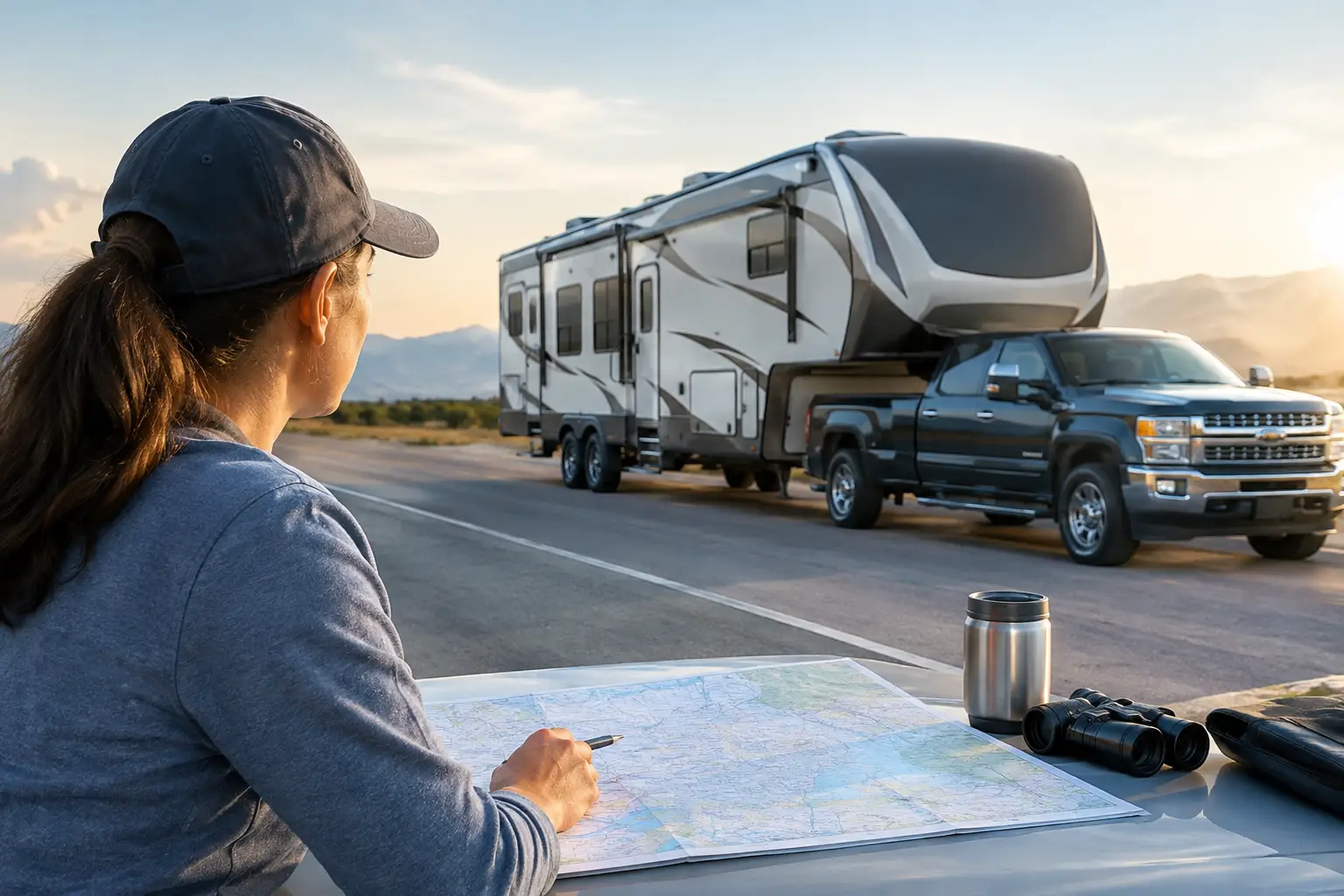
An RV is not a standard tow. Its height, length, weight, and condition all affect the equipment needed to move it without damage. Whether your motorhome will not start, your travel trailer needs relocation, or you are moving to a new campground, the way you plan RV transport safely determines whether the trip stays controlled from pickup to delivery.
For owners in the Kenner and New Orleans area, planning starts before the truck arrives. A few accurate details about your RV and destination help a professional tow company send the right operator and equipment the first time. That means less waiting, safer loading, and fewer surprises on the road.
Start With the RV Type, Size, and Condition
The first question is simple: what kind of RV is being moved? A small pop-up camper, a fifth wheel, a travel trailer, a Class B camper van, and a Class A motorhome have very different transport needs. Do not estimate if you can avoid it. Have the year, make, model, overall length, height, and approximate weight ready when requesting service.
A tow provider also needs to know whether the RV can roll and steer. A disabled motorhome with a locked steering wheel, flat tires, brake issue, or transmission problem cannot be handled the same way as an operable trailer. Be direct about damage from an accident, a blown tire, a low-hanging bumper, or suspension trouble. Accurate information allows dispatch to select a suitable flatbed, trailer, recovery setup, or medium-duty truck.
The distinction matters because using equipment that is undersized or improperly configured can put stress on the RV frame, axles, tires, and drivetrain. It can also create a road hazard for everyone nearby. A licensed, insured operator should assess the vehicle before loading and explain the plan if conditions require a different approach.
Choose the Right Transport Method
The safest method depends on the RV, its condition, and how far it must travel. Towable RVs such as travel trailers and fifth wheels may be moved with the correct hitch configuration when the trailer is roadworthy. The tires, bearings, brakes, coupler, safety chains, and lights must all be in usable condition.
For a motorhome that is disabled or unsuitable for conventional towing, a flatbed or specialized transport arrangement may be the safer option. This can reduce the risk of drivetrain damage and keeps the vehicle secure during loading and transit. Larger RVs may require medium-duty capability, especially when weight, recovery conditions, or long-distance hauling are involved.
Price matters, but the lowest quote is not always the safest option. Ask what equipment will be used, whether the company is licensed and insured, and whether its operators have experience with RVs. A clear answer is a good sign. Vague promises without details are not.
Prepare the RV Before Loading
Before the operator arrives, remove loose items that could shift inside the RV. Secure cabinet doors, latch exterior storage compartments, and close windows, roof vents, and slide-outs completely. A slide-out that is not fully retracted can be damaged during transport or make the RV too wide for safe travel.
Turn off propane at the tank and make sure no appliance is running. Disconnect shore power, water hoses, sewer hoses, leveling blocks, and other campground connections. Lower antennas, satellite dishes, and any accessories that add height or could catch wind.
If the RV is towable, check that personal items are not overloaded toward the rear. Excess rear weight can affect stability. If it is a motorhome, keep enough fuel for safe handling if needed, but avoid carrying unnecessary water or cargo weight. Every added pound affects loading, braking, and transport planning.
Take clear photos of all sides of the RV before pickup. Photograph the roofline if possible, along with wheels, windows, bumpers, awnings, and any existing damage. This is not about expecting trouble. It is a practical record that gives both you and the towing company a clear starting point.
Plan RV Transport Safely With a Real Route
RV route planning is more than entering a destination into a map app. Low bridges, narrow streets, sharp turns, construction zones, low-hanging trees, weak road shoulders, and tight campground entrances can all create problems. Height is especially critical in the New Orleans metro area, where certain underpasses and older streets may not be suitable for larger units.
Provide both the pickup and delivery addresses, but also describe access conditions. Let dispatch know if the RV is parked behind a gate, inside a storage lot, on soft ground, near a busy roadway, or in a narrow residential driveway. At the destination, mention any steep grades, tight turns, overhead branches, or restricted entry hours.
Long-distance RV transport needs additional planning. The operator may need to account for fuel stops, weather, traffic, overnight timing, and safe places to inspect the load. A professional provider will not treat a multi-hour RV move like a quick local tow. The route and equipment should match the distance.
Confirm the Details Before Dispatch
A short conversation before service can prevent a long delay later. Have the RV location, destination, vehicle details, condition, keys, registration information, and your best callback number ready. If you will not be present, arrange for an authorized person to meet the driver and provide access.
Ask for an estimated arrival window and make sure the pickup area is clear. Move personal vehicles if they block the RV. If the RV is at a campground or storage facility, notify the property manager that a tow truck or transport vehicle is coming. Some locations have gate codes, parking rules, or designated loading areas.
You should also confirm where the RV will be delivered. If the final site is too tight or too soft for safe entry, it may be better to deliver to a nearby open area and arrange the final placement separately. Forcing a large RV into a difficult space risks damage to the RV, the property, and the tow equipment.
Watch for Weather and Ground Conditions
Louisiana weather can change quickly. Heavy rain, standing water, soft grass, flooded streets, and high winds all affect RV transport. A large RV has substantial surface area, so wind can make handling more difficult. Wet ground can also leave a heavy tow truck or RV stuck before the trip even starts.
Do not assume a grassy lot or gravel shoulder is firm just because it looks dry. Tell the dispatcher if the RV is parked on mud, sand, uneven ground, or an incline. Recovery equipment may be needed, and it is safer to plan for that before the truck arrives.
If severe weather is active, a qualified operator may recommend waiting until conditions improve. That can be frustrating when you need the RV moved quickly, but it is often the smarter choice. Safe transport means knowing when a road or loading area is not ready.
Let the Operator Control the Loading Process
Once the tow operator arrives, point out known issues and then give them room to work. Keep children, pets, and bystanders away from the loading area. Do not stand between the RV and the tow truck, near winch cables, or behind a vehicle that could roll.
Professional loading involves checking tie-down points, wheel position, clearance, weight distribution, and securement. If straps, chains, or wheel restraints are used, they should be positioned to protect the RV while keeping it stable. The operator may recheck the load after moving a short distance. That is good practice, not a delay.
Before the truck leaves, confirm the delivery address, contact person, and any arrival instructions. Keep your phone available during transport in case access conditions change or the driver needs direction at the destination.
When your RV needs a planned move or urgent recovery, do not gamble on improvised towing. Zain Towing LLC provides 24/7 professional transport support in Kenner and New Orleans with trained operators, appropriate equipment, and a safety-first approach. A quick call with accurate RV details is the first step toward getting it moved securely and delivered where it needs to be.
Need help right now?
Zain Towing runs 24/7 in Kenner, New Orleans, Metairie, Harahan and Gretna. Call (504) 666-9099 or see our towing service, roadside assistance and New Orleans pages.