How to Protect Your Car During Transport
A dead battery in Kenner, a collision on I-10, or a planned move across Louisiana can put your vehicle on a tow truck with little warning. Drivers often ask, “How do I protect car during transport?” The answer starts before the truck arrives: choose the right transport method, document your vehicle’s condition, and let a trained operator secure it correctly.
Your car should arrive at its destination in the same condition it left, aside from the issue that made towing necessary. That requires more than hooking up and driving away. Proper equipment, careful loading, secure tie-downs, and clear communication all matter.
Choose the Right Way to Protect Your Car During Transport
Not every tow is handled the same way. The safest option depends on your vehicle’s condition, drivetrain, ground clearance, location, and how far it needs to go. A professional dispatcher should ask questions before sending a truck so the operator arrives with the equipment that fits the job.
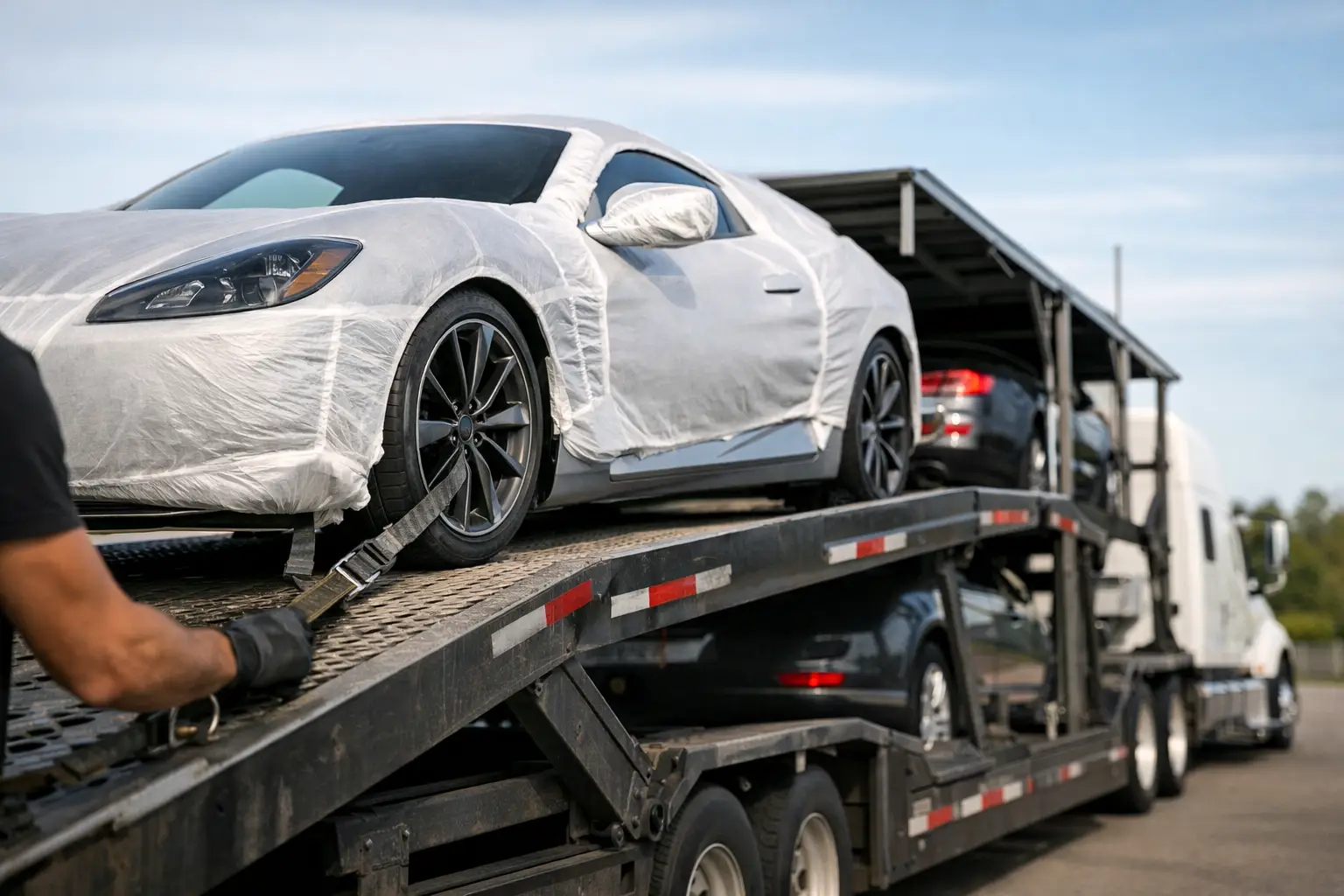
For most passenger cars, SUVs, luxury vehicles, and vehicles with mechanical damage, a flatbed tow is often the best choice. The entire vehicle rides above the road, which prevents rolling miles, avoids extra stress on the tires and drivetrain, and reduces exposure to potholes or debris. Flatbed transport is especially useful for all-wheel-drive vehicles, cars with transmission issues, accident damage, or low ground clearance.
A wheel-lift tow may be appropriate for certain short-distance situations when the vehicle can safely roll and the drivetrain can be handled correctly. It can also be the practical choice in tight parking lots, narrow streets, or areas where a flatbed cannot position easily. The trade-off is that the operator must understand the vehicle’s towing requirements. Incorrect wheel-lift towing can cause drivetrain damage, bumper damage, or steering problems.
If your vehicle is an EV, hybrid, all-wheel-drive model, classic car, motorcycle, lifted truck, RV, or boat, say so when you request service. These vehicles may need specialized loading procedures, dollies, soft straps, ramps, or a specific trailer setup. Never assume that every vehicle can be towed the same way.
Prepare the Vehicle Before Loading
When it is safe to do so, a few minutes of preparation can prevent confusion and protect your property. Start by removing loose personal belongings, especially valuables, electronics, toll tags, garage remotes, work equipment, and anything that could shift around inside the cabin. A tow company is transporting the vehicle, not the items left in it.
Take clear photos of the car from all four sides before it is loaded. Include close-ups of existing dents, scrapes, cracked glass, wheel damage, and low-hanging parts. This is not about expecting a problem. It is a smart record of the vehicle’s condition and gives both you and the tow operator a clear starting point.
Tell the operator about any issue that affects loading. Mention a flat tire, locked wheels, damaged suspension, broken steering, a missing key, aftermarket body kit, lowered suspension, leaking fluids, or a vehicle that will not shift into neutral. Those details change how the vehicle should be recovered and secured.
If the car is still operable, turn off accessories, close windows, and make sure the doors, hood, trunk, and sunroof are fully secured. Keep the key available if the operator needs it for steering or positioning, but ask how it will be handled at delivery. For a planned transport, keep your registration, insurance information, and destination contact details ready as well.
Securement Is Where Damage Prevention Happens
The loading process is the point where experience matters most. A trained tow operator checks the approach angle, uses the proper ramps or loading equipment, and moves the vehicle slowly onto the bed. Rushing this step can scrape bumpers, exhaust components, spoilers, rocker panels, or undercarriage parts.
Once loaded, the vehicle should be secured at appropriate manufacturer-approved or structurally safe tie-down points. On a flatbed, professional operators generally use wheel straps, axle straps, or rated tie-down systems designed to hold the vehicle in place without putting unnecessary pressure on fragile components. The goal is to prevent forward, backward, and side-to-side movement throughout the trip.
Avoid improvised methods. A chain attached to the wrong suspension component, a strap rubbing against painted bodywork, or a hook placed where it does not belong can turn a straightforward tow into an expensive repair. Proper securement also protects other drivers, because an unstable load is a road hazard.
Ask the operator to explain the plan if you are unsure why a particular method is being used. A professional will not be bothered by a reasonable question. You do not need to be a towing expert, but you should feel confident that your vehicle is being handled with care.
Check clearance before the truck moves
Low-clearance cars deserve extra attention. Front splitters, air dams, lowered suspensions, and long wheelbases can make a normal loading angle unsafe. In these cases, the operator may use extended ramps, boards, blocks, or a different truck position to reduce the angle.
The same goes for damaged vehicles. A car with a bent wheel, loose bumper, deployed airbag, or suspension damage may need a slower, more controlled recovery. Trying to force it into a standard loading process can make the original damage worse.
Confirm the Pickup and Delivery Details
Vehicle protection is not only about straps and equipment. Miscommunication can create avoidable risk. Before transport begins, confirm where the vehicle is going, who is authorized to receive it, and whether the destination has access limitations such as gated entry, low branches, tight turns, apartment parking rules, or a closed repair shop.
For long-distance hauling, ask about timing, route expectations, and whether the vehicle will remain on one truck for the full trip. Direct transport can reduce handling, but availability, distance, and the type of load may affect the best arrangement. A good towing company will be upfront about what is practical instead of promising a transport plan that does not fit the situation.
If the vehicle is going to a repair shop after hours, confirm the shop’s preferred drop-off location and key procedure. Leaving a car in the wrong spot can block traffic, create a security issue, or lead to another tow later. A simple confirmation call can save a major headache.
Know What a Professional Tow Service Should Provide
When your vehicle is stranded, the lowest quote is not always the safest choice. The right service provider should have trained operators, properly maintained tow equipment, insurance coverage, and a dispatch process that matches the correct truck to the vehicle and situation.
Look for clear communication from the moment you call. The dispatcher should ask for your location, vehicle type, condition, destination, and any hazards around the pickup. They should also give realistic expectations about arrival and explain if a flatbed, wheel-lift, recovery truck, or specialized equipment is needed.
At Zain Towing LLC, safe handling is part of the job from dispatch through delivery. Whether you need emergency towing in New Orleans, roadside help in Kenner, or planned local or long-distance vehicle transport, the priority is sending the right operator and equipment to protect your vehicle from unnecessary damage.
What to Do If You Cannot Stay With the Car
Sometimes you need medical attention, a ride home, or a safe place away from traffic before the tow truck arrives. If you cannot remain with the vehicle, provide the dispatcher with the exact location, color, make, model, license plate number, and the destination. Let them know where the keys will be and whether the vehicle is locked or disabled.
Take photos, remove valuables if it is safe, and ask for the operator’s contact or dispatch confirmation. If the car is in an unsafe area, do not stand near moving traffic just to watch the loading process. Your safety comes first.
A careful tow is not an extra service - it is the standard your vehicle deserves. When you need transport, give the dispatcher the full picture, ask for the right equipment, and choose a licensed, insured team that treats every vehicle like it has to arrive safely. That one call can turn a stressful roadside problem into a controlled, secure next step.
Need help right now?
Zain Towing runs 24/7 in Kenner, New Orleans, Metairie, Harahan and Gretna. Call (504) 666-9099 or see our towing service, roadside assistance and New Orleans pages.