
Roadside Plan Reviews That Hold Up When Stranded
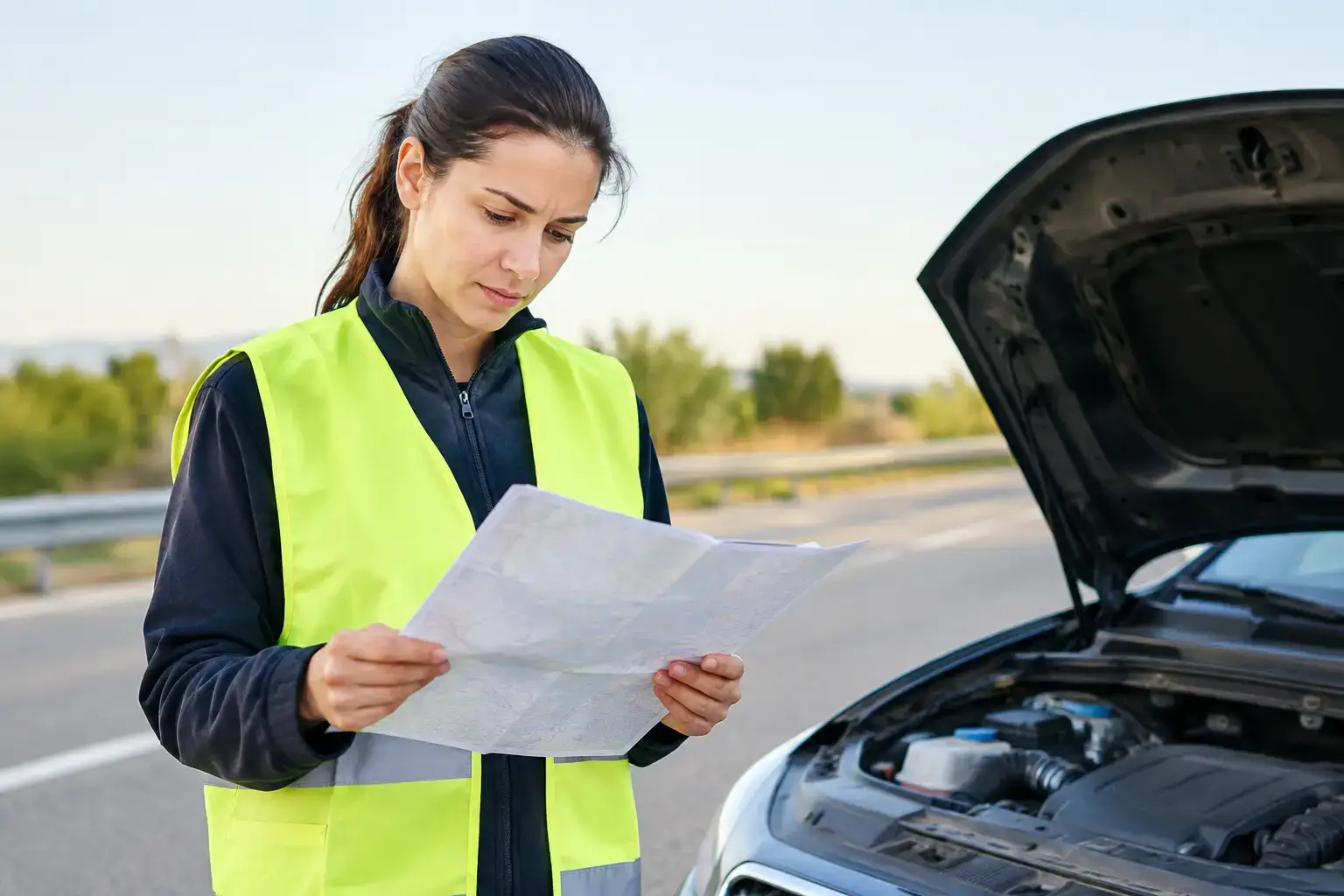
A roadside membership can feel like a safety net until you are stuck on the shoulder of I-10 after midnight, your battery is dead, and the app says help is still an hour away. The best roadside plan reviews look past the low monthly price and ask a more useful question: will this plan get the right help to your location, when you actually need it?
For drivers in Kenner and New Orleans, that answer can depend on traffic, weather, where the vehicle is parked, the type of breakdown, and how far the car must go. A roadside plan can be valuable, but it is not a replacement for knowing what coverage you have or having a reliable local towing option ready.
What Roadside Plan Reviews Should Actually Compare
Most plans promise some combination of towing, jump-starts, flat-tire assistance, fuel delivery, lockout help, and winching. Those services sound similar on a sales page. The details are where plans start to differ.
Start with the towing mileage allowance. Some plans include only a short tow to the nearest qualified repair facility. That may work if your vehicle breaks down near home, but it may not help if your trusted mechanic is across the metro area or your car needs to be moved after an accident. Higher-tier plans may offer more miles, but check whether the mileage applies per service call, per year, or only under certain conditions.
Also look at the number of service calls allowed each year. A plan with four calls can be helpful for a family vehicle, but one flat tire, one dead battery, and two lockouts can use it up quickly. If you drive for rideshare, commute long distances, or regularly travel with older vehicles, the annual limit matters more than a promotional price.
Response expectations deserve the same attention. A membership provider may dispatch a local contractor, and availability can change by time of day and demand. During severe weather, Mardi Gras traffic, major events, or a late-night breakdown, a stated benefit does not always mean immediate arrival. Check whether the company provides real-time updates, a direct dispatch number, or reimbursement if you arrange your own help.
Coverage Limits Can Surprise Drivers
Roadside coverage is usually built for common, straightforward breakdowns. It is not always designed for every recovery or transport need.
A jump-start may be covered, but a battery replacement usually is not. A tire service may include installing your usable spare, but it may not include bringing a new tire. Fuel delivery may cover the trip to your vehicle while charging for the fuel itself. Lockout coverage can help with a standard passenger car, yet some providers exclude certain key systems, commercial vehicles, or situations where keys are damaged.
Towing limits create the biggest surprise. If your vehicle cannot be driven, the plan may tow it only to the closest shop that is open or within a set mileage radius. If that shop cannot take your vehicle, you could face a second tow at your own expense. Drivers with motorcycles, SUVs, trucks, RVs, trailers, or modified vehicles should verify that the plan covers their equipment and vehicle weight.
Recovery is another separate issue. A vehicle stuck in a ditch, mud, deep water, a parking garage, or an accident scene may require more than a standard tow. Winching, extra labor, specialized equipment, storage, and accident recovery can fall outside basic roadside benefits. Read the exclusions before you are standing beside a disabled vehicle trying to make sense of them.
Membership Roadside Assistance vs. Calling a Local Tow Company
A roadside plan is often best for routine incidents when the coverage is active, the provider can find an available operator, and the service needed falls within the policy limits. It can reduce the out-of-pocket cost of a jump-start, lockout, or short tow. For many drivers, that peace of mind is worth having.
Calling a local towing company directly can make more sense when time, towing distance, vehicle handling, or recovery needs are the priority. You speak with a dispatcher who can ask the right questions about your location, vehicle type, damage, destination, and whether you need a flatbed. That matters when a wrong truck or incomplete dispatch can add unnecessary delay.
Direct service also gives you clearer control over the destination. Instead of accepting the nearest available facility, you can request transport to your preferred repair shop, home, dealership, body shop, or another safe location. The cost may be out of pocket, but a professional dispatcher should explain the service needed and provide a quote before sending a truck whenever the situation allows.
If you have roadside coverage, save your receipts. Some plans reimburse eligible towing or roadside expenses when their network cannot provide timely service. Reimbursement rules vary, so document the date, location, vehicle, service performed, tow distance, and final invoice. Ask your plan provider what paperwork is required before assuming every charge will be repaid.
Questions to Ask Before Buying a Roadside Plan
The right plan depends on how and where you drive. Before enrolling or renewing, get specific answers to these questions:
- How many tow miles are included per incident, and where can the vehicle be taken?
- How many service calls are allowed in a membership year?
- Are motorcycles, trucks, trailers, RVs, and rental vehicles covered?
- Does the plan cover winching, accident recovery, parking-garage extraction, or off-road situations?
- What happens if no contracted provider is available in the area?
- Is reimbursement available when you must call a local operator yourself?
Pay attention to waiting periods, too. Some plans do not provide full benefits immediately after enrollment. Others charge an added fee for service requested during the first few days. If you are buying coverage because your car is already disabled, a plan may not solve the current problem.
How to Use Your Plan Without Losing Time
When your vehicle stops running, move it to the safest possible location if it can be moved without risk. Turn on hazard lights, stay aware of traffic, and avoid standing near moving vehicles. On a busy road or bridge, your safety comes before troubleshooting.
When you call for help, give the dispatcher your exact location, direction of travel, vehicle make and model, color, license plate if requested, and a simple description of the issue. Mention if you are in a parking garage, on a narrow street, towing a trailer, carrying passengers, or unable to shift the vehicle into neutral. Those details help send the proper truck and equipment the first time.
If you use a membership plan, ask for the estimated arrival time and confirm the towing destination before the truck is dispatched. If the wait is unreasonable or the plan cannot locate a provider, ask about self-arranged service and reimbursement. Do not assume the representative has automatically approved it.
Keep a Backup for the Moments Coverage Falls Short
Roadside memberships are useful, but they are only one part of a breakdown plan. Keep your insurance information, roadside membership number, vehicle registration, and a trusted local towing number in your phone. If your battery is weak, your tires are worn, or a warning light has been ignored, deal with it before it becomes a roadside emergency.
For drivers in the Kenner and New Orleans area, Zain Towing LLC is available 24/7 for towing, recovery, lockouts, tire help, jump-starts, and planned vehicle transport. When a roadside plan cannot send help quickly enough or the job calls for professional towing, call for a clear quote and the right truck for your vehicle. The best time to choose your backup is before the shoulder of the road forces the decision.
Need help right now?
Zain Towing runs 24/7 in Kenner, New Orleans, Metairie, Harahan and Gretna. Call (504) 666-9099 or see our towing service, roadside assistance and New Orleans pages.