
Tow Company Response Review: What Fast Service Means
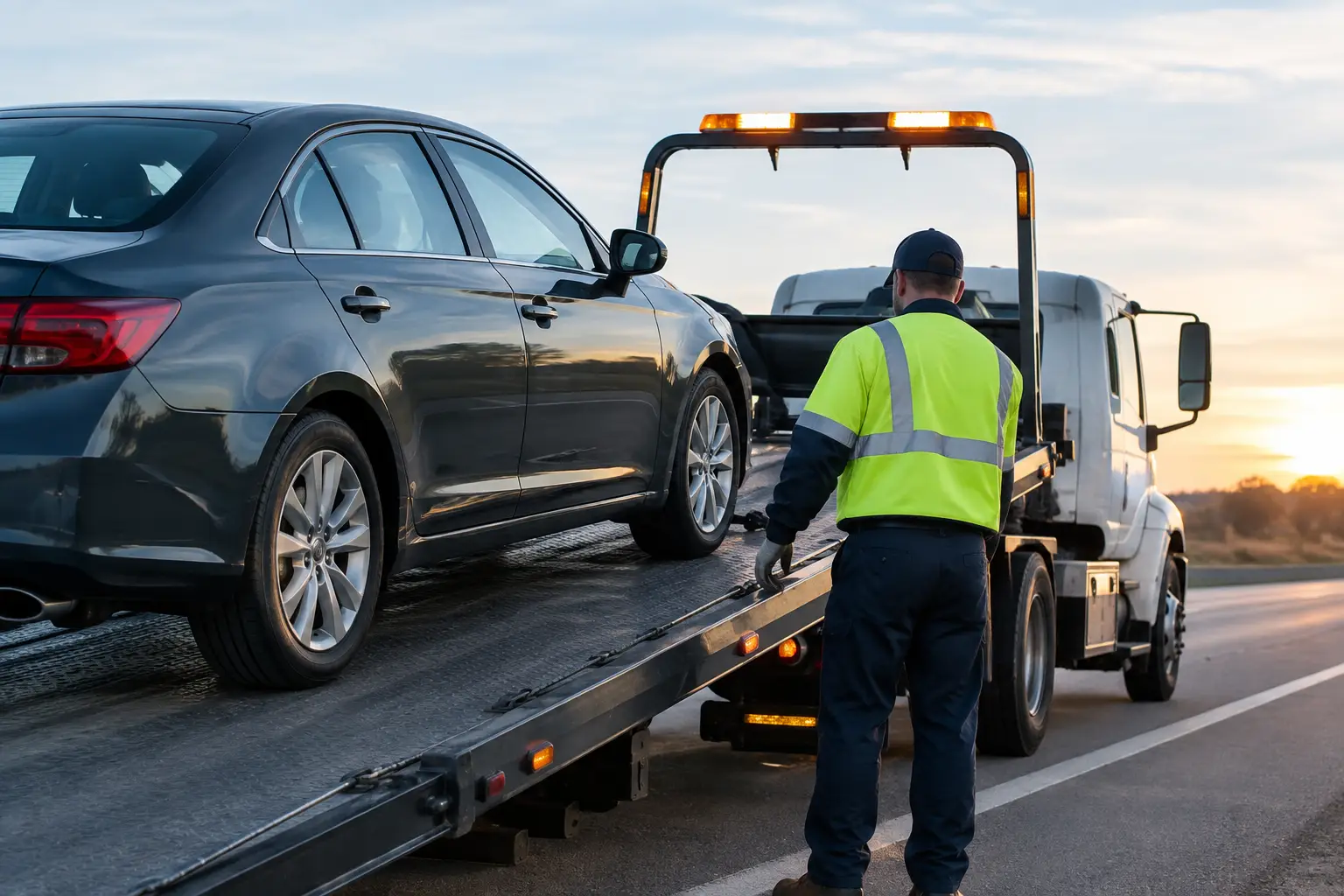
A breakdown on I-10, a dead battery outside a Kenner restaurant, or a flat tire before work changes the question fast: how soon can help get here? A useful tow company response review is not just about whether a truck eventually arrived. It looks at the whole response, from the first call through safe delivery of your vehicle.
When you are stranded, a fast answer matters. So do accurate arrival expectations, the right equipment, a trained operator, and clear pricing before service begins. The best towing response reduces uncertainty instead of adding to it.
What a Tow Company Response Review Should Measure
Many drivers judge a towing company by the final arrival time alone. That is understandable, but response quality has several parts. A truck arriving quickly is valuable only if dispatch has the correct location, knows what kind of vehicle needs help, and sends an operator prepared for the job.
Start with the first contact. Did someone answer promptly? Were they able to take your location, vehicle type, issue, and destination without making you repeat yourself? A professional dispatcher should ask practical questions right away: Is the vehicle blocking traffic? Is it in a garage? Are the keys available? Is it an all-wheel-drive vehicle that may need a flatbed? Those details affect both safety and the truck that should be sent.
Next, consider the estimated time of arrival. No towing provider can control every delay. Heavy New Orleans traffic, an active accident scene, bad weather, bridge congestion, or a difficult pickup point can change the route. What matters is whether the company gives a realistic estimate and updates you if conditions change. A promise of an immediate arrival that turns into an hour of silence is not good service.
Finally, review how the operator handles the vehicle. Fast service should never mean rushed loading. The operator should assess the vehicle, use proper tie-down points, secure it correctly, and explain where it is going. Safe handling protects your car, truck, SUV, motorcycle, RV, or other vehicle from avoidable damage.
Fast Dispatch Is More Than a Short ETA
A stated arrival goal of less than 30 minutes can be a strong sign of a local, organized towing operation. Still, drivers should understand that an ETA is an estimate, not a guarantee. The closest available truck may be finishing another call, police may restrict access to an accident scene, or the vehicle may be farther from the service area than expected.
The difference between a good experience and a frustrating one is communication. A dependable towing company tells you what it knows: when a truck has been assigned, the estimated arrival window, and whether an unexpected delay has developed. That gives you enough information to make decisions, such as moving to a safer spot, notifying a family member, or arranging transportation from the drop-off location.
Rapid dispatch also means matching the call to the right service. A lockout usually does not require the same truck setup as a disabled pickup needing a medium-duty tow. A vehicle with a damaged wheel may need a flatbed rather than a traditional tow. For long-distance vehicle transport, the destination, condition of the vehicle, and timeline should be discussed before the truck arrives.
The Questions Dispatch Should Ask
Good dispatch is calm, direct, and specific. When you call for towing or roadside assistance, expect to provide your exact location, including nearby cross streets, highway markers, parking-lot names, or landmarks. If you are on a busy road, tell dispatch which direction you are traveling and whether your vehicle is on the shoulder, in a lane, or safely parked.
You should also be ready to describe the vehicle. Make, model, color, and whether it is a car, motorcycle, SUV, truck, or RV help the dispatcher plan correctly. Mention any special condition that affects loading, such as locked wheels, a low-clearance vehicle, accident damage, a missing tire, or a vehicle stuck in mud or a ditch.
For a tow, state where the vehicle needs to go. That could be your home, a repair shop, a dealership, or another address in the New Orleans metro area. If the shop is closed, ask whether the vehicle can be securely dropped and what information the operator needs for the handoff.
These questions can feel detailed when you are stressed, but they prevent the wrong truck from arriving and reduce delays at the scene. Accurate information at the start is one of the fastest ways to get the right help.
Safety and Equipment Belong in Every Review
A tow company can be quick and still fall short if it cuts corners. In any honest response review, safety deserves as much attention as speed. Licensed and insured service, trained operators, maintained tow trucks, and proper loading equipment are not extras. They are the foundation of secure vehicle transport.
For many vehicles, a flatbed is the safer option. It keeps all four wheels off the road and can be especially appropriate for all-wheel-drive vehicles, luxury cars, vehicles with severe mechanical problems, motorcycles, and cars with accident damage. A standard tow may be suitable in other situations, but the operator should choose based on the vehicle and its condition, not simply because one method is faster.
Look for professional behavior at the pickup point. The operator should use warning lights and take reasonable steps to work safely around traffic. They should inspect the vehicle before loading, use approved securement practices, and avoid guessing about a complicated recovery. If a vehicle is in a ditch, on soft ground, or damaged after a collision, the right recovery plan may take a little longer. That extra care is usually worth it.
Pricing Clarity Matters When You Need Help Now
No one wants a pricing surprise after an already difficult day. A response review should consider whether the company explains the expected charges before dispatch or before loading. The final price can depend on distance, vehicle size, equipment needed, time of day, recovery difficulty, storage needs, and the destination. That is normal. What is not helpful is vague pricing with unexplained add-ons.
Ask for a quote based on the information you provide. If the situation changes at the scene, such as discovering the vehicle needs a flatbed or recovery equipment, the operator should explain why the price may change before work continues. Clear communication protects both the customer and the towing company.
Lowest price is not always the best value. A bargain tow that damages a drivetrain, mishandles a motorcycle, or leaves you waiting without updates can cost far more than a fairly priced professional service. For urgent roadside help, value means prompt dispatch, the correct equipment, safe work, and a clear plan from pickup to drop-off.
How to Leave a Useful Tow Company Response Review
If you choose to share your experience, focus on facts that help other local drivers make a decision. Mention how quickly someone answered, what arrival window you were given, whether updates were provided, and whether the operator handled the vehicle professionally. It also helps to say what type of service you needed, such as a jump-start, tire help, lockout, flatbed tow, local tow, or long-distance transport.
A fair review recognizes the circumstances. A delay caused by storm conditions or an active crash scene is different from poor communication. If the company kept you informed and arrived with the right equipment, that context matters. Likewise, if an operator took additional time to safely load a damaged vehicle, that may show care rather than inefficiency.
For drivers in Kenner and New Orleans, Zain Towing LLC focuses on 24/7 dispatch, trained operators, insured service, and a fast, friendly response designed to get the right truck moving without unnecessary delay.
What to Do While You Wait for the Tow Truck
Your first job is to stay safe. If your vehicle can be moved, get it out of active traffic and into a safe, visible area. Turn on hazard lights. If you are stranded on a highway shoulder or near fast-moving traffic, remain aware of your surroundings and follow directions from law enforcement or emergency personnel.
Keep your phone available, but save its battery. Have your location, vehicle details, and destination ready when dispatch calls back. Remove valuables if you are leaving the vehicle at a shop or another location. If you have roadside coverage through insurance, a vehicle manufacturer, or a membership program, check whether they require authorization before service.
The right towing response should leave you feeling informed, not stranded in the dark. Call for help as soon as you know you need it, give dispatch accurate details, and choose a provider that treats fast arrival and safe handling as the same promise.
Need help right now?
Zain Towing runs 24/7 in Kenner, New Orleans, Metairie, Harahan and Gretna. Call (504) 666-9099 or see our towing service, roadside assistance and New Orleans pages.