
Towing Estimate Review Before You Approve a Tow
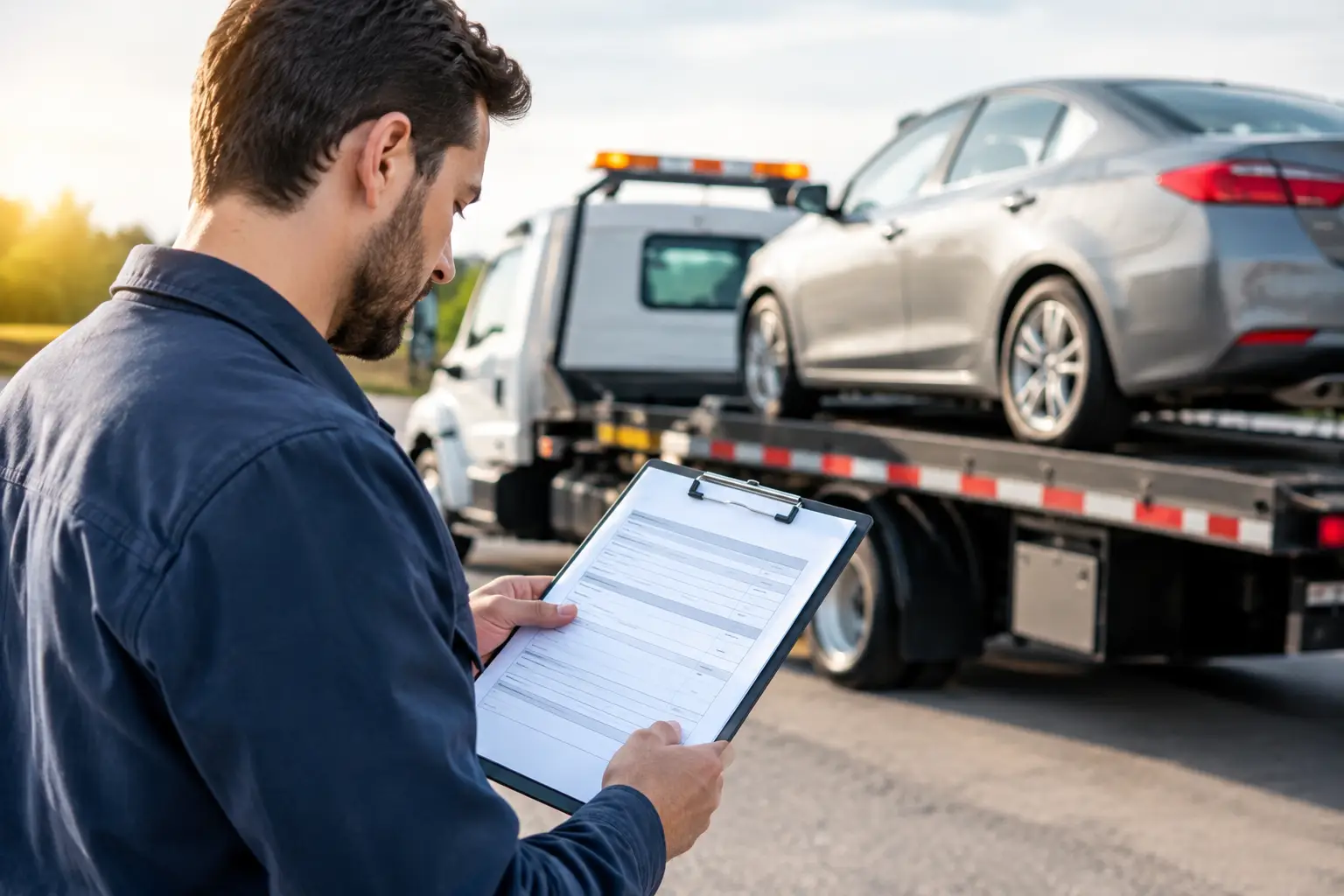
A breakdown on I-10, a dead battery in a Kenner parking lot, or an accident after dark can force a fast decision. A towing estimate review gives you a few minutes of control before the truck is dispatched. You do not need to be a towing expert. You only need to know what the quote covers, what could change it, and whether the company has the equipment to move your vehicle safely.
A low number without details is not always a good deal. The right estimate should match your vehicle, location, condition, and destination. Clear answers now help prevent billing surprises later and make sure the operator arrives in the right truck.
What a Towing Estimate Should Include
A useful towing estimate starts with the basic service charge. This is often called a hook-up fee or base tow fee. It covers dispatching the truck, loading the vehicle, and beginning the tow. Ask whether that figure includes a set number of miles or whether mileage is added from the first mile.
The estimate should also identify the pickup location and destination. A tow from Metairie to Kenner is different from a long-distance transport across Louisiana. The dispatcher needs the correct address, including details such as a parking garage, apartment complex, airport lot, highway shoulder, or gated community. Access conditions can affect the equipment and time required.
Vehicle information matters just as much. Let the dispatcher know the year, make, model, and whether it is a car, SUV, pickup, motorcycle, RV, or boat. Mention if the vehicle is lowered, oversized, all-wheel drive, has a locked steering wheel, or cannot roll. Those details may call for a flatbed, dollies, winching equipment, or another specialized setup.
A clear estimate should explain any expected additional charges. Depending on the situation, these can include extra mileage, winching, recovery work, after-hours access fees, tolls, storage, or labor needed to free a stuck vehicle. Not every tow has these charges. The point is to identify them before work begins whenever the situation allows.
Towing Estimate Review: Questions That Protect You
When you are stressed, keep the conversation simple. Ask for the total expected price based on the information you provided. Then ask what situations could increase it. A professional dispatcher should be able to explain the difference between a standard tow and a recovery job without making the answer confusing.
It also helps to confirm whether the quoted price is for a tow truck that can safely handle your vehicle. A medium-duty truck, work van, loaded pickup, or RV may require different equipment than a compact sedan. Sending the wrong truck can create delays, require a second dispatch, and change the final cost.
Ask how payment works before the truck arrives. Confirm accepted payment methods and whether you will receive an invoice or receipt. If roadside assistance coverage, a manufacturer plan, or insurance reimbursement may apply, save the estimate and final receipt. Your provider may need the service date, locations, mileage, and itemized charges.
Finally, ask for an arrival window. Price matters, but a stranded driver also needs a realistic response expectation. If you are in an unsafe area, on a busy roadway, or blocking traffic, tell the dispatcher immediately. Your safety changes the urgency of the call.
Why the Cheapest Quote Can Cost More
Comparing prices is reasonable. But towing is not a service where the lowest quote automatically delivers the best value. A quote that leaves out mileage, vehicle condition, or recovery needs may look attractive until the operator arrives and discovers information that was never discussed.
There is also a damage-prevention question. Improper towing can harm a vehicle's drivetrain, bumper, wheels, suspension, or undercarriage. All-wheel-drive vehicles, electric vehicles, low-clearance cars, motorcycles, and vehicles with accident damage need careful loading and secure transport. The right equipment and trained operator may not be the lowest line item, but they can protect you from a far more expensive repair.
Licensed and insured towing matters for the same reason. A reputable provider should be prepared to handle your vehicle professionally from pickup through delivery. That includes using proper tie-downs, confirming the destination, and documenting the service when needed.
Details That Can Change the Final Price
No honest dispatcher can promise an exact final total if the scene conditions are unknown. That is especially true after an accident or when a vehicle is off the road. Still, the company should explain the likely price range and the factors that may affect it.
Distance is the most common factor. Confirm whether the mileage is measured from the pickup point to the destination and how many miles, if any, are included in the base rate. A local tow may be straightforward, while a long-distance haul needs a more complete quote.
The vehicle's condition can also change the job. A car with four inflated tires that rolls freely is quicker to load than one with a broken axle, missing wheel, locked transmission, or tires buried in mud. If your vehicle is stuck in a ditch, on a median, in floodwater, or behind another vehicle, it may need recovery work rather than a standard tow.
Timing and location sometimes matter too. Tolls, restricted-access properties, difficult parking layouts, and required police coordination can add time. Be upfront about what you see. A photo may help when requesting a web quote, but do not put yourself in danger to get one. Your first job is moving to a safe location if you can do so safely.
How to Get an Accurate Quote Faster
Have your pickup address, destination, vehicle type, and a brief description of the problem ready before you call. If the vehicle is disabled after a collision, say whether it is drivable, whether the wheels turn, and whether any fluids are leaking. If you need a flatbed, motorcycle transport, a jump-start, tire help, or a lockout service instead of a tow, say that clearly.
For highway calls, provide the direction of travel, nearest exit, mile marker, or visible landmark. For New Orleans-area calls, even a cross street can help dispatch locate you faster. Turn on your hazard lights when safe, stay away from traffic, and avoid standing between your vehicle and moving cars.
Do not authorize a service based solely on a vague phrase such as "starting at." Ask what the starting price includes and request the expected total for your specific situation. If conditions change once the operator arrives, ask for an explanation before additional work begins. A trustworthy company will communicate clearly rather than leaving you to guess.
When You Need More Than a Standard Tow
Some situations need a different plan from the beginning. A vehicle that is stuck, overturned, heavily damaged, or inaccessible may require recovery equipment. A planned move for a classic car, luxury vehicle, motorcycle, or vehicle with low ground clearance may be best handled on a flatbed. A long-distance move may require scheduling and a quote that accounts for the full route.
The same applies to trucks, vans, RVs, and boats. Their size, weight, and towing points can affect the truck sent to the scene. Giving complete information during the estimate review is not about making the call harder. It is how the right operator arrives ready to do the job safely the first time.
When you need help in Kenner or the New Orleans area, choose clear communication over guesswork. Zain Towing LLC can provide a straightforward quote, dispatch the appropriate equipment, and focus on getting you and your vehicle to a safe destination.
Need help right now?
Zain Towing runs 24/7 in Kenner, New Orleans, Metairie, Harahan and Gretna. Call (504) 666-9099 or see our towing service, roadside assistance and New Orleans pages.