
Used Car Transport Guide for Safe, Simple Moves
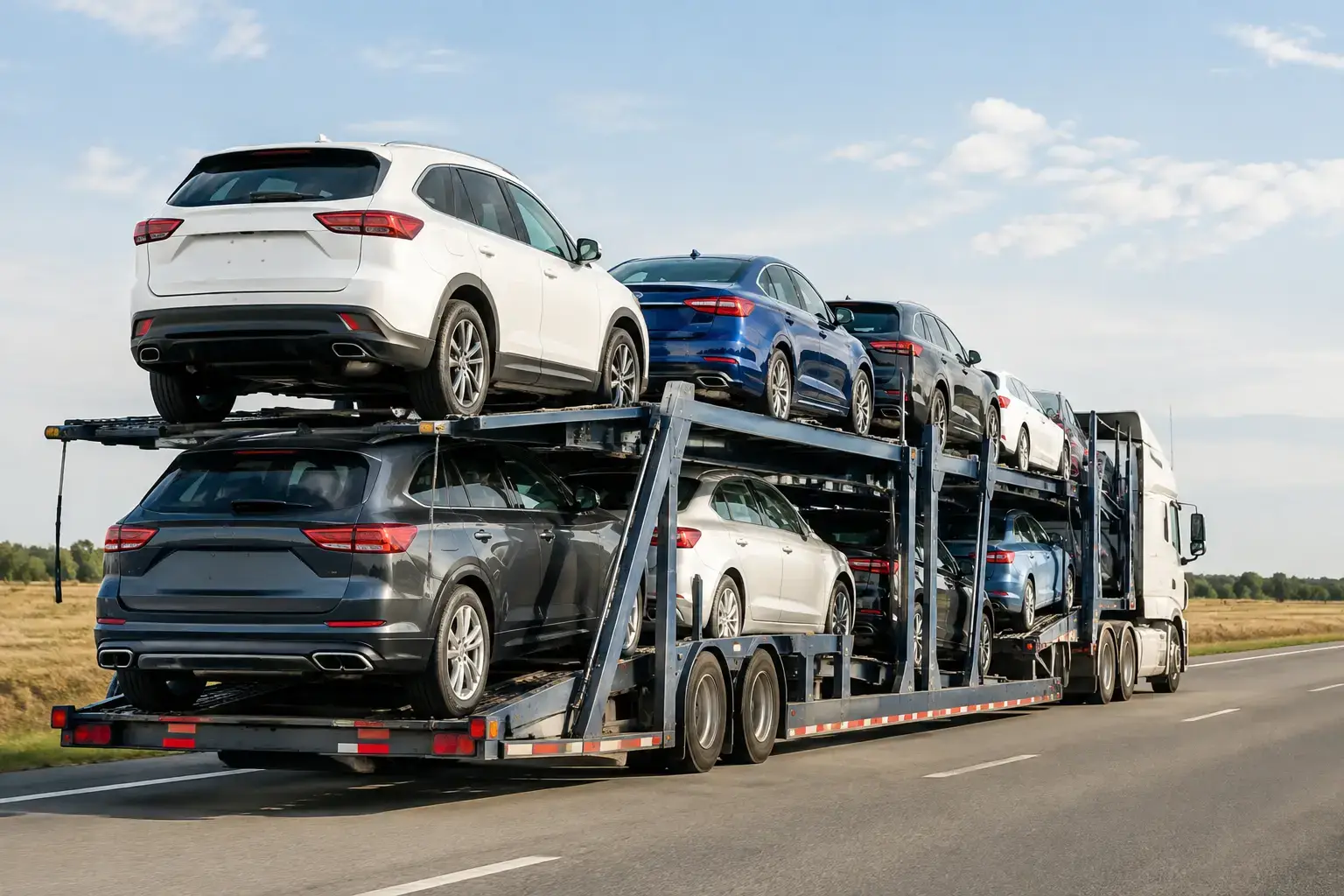
A used car can look perfect on a dealer lot, at an auction, or in a private seller’s driveway - then become your problem to move once the keys change hands. Maybe it does not run, has an expired tag, sits across town, or needs to reach a mechanic before you can register it. The right used car transport guide starts with one rule: do not gamble on driving an unfamiliar vehicle home just because it starts.
For drivers in Kenner and the New Orleans area, professional towing can be the safer and faster answer. A trained operator can match the truck, secure the vehicle correctly, and transport it without adding unnecessary miles, road risk, or damage to a car you just bought.
Used Car Transport Guide: Decide How the Vehicle Should Move
The vehicle’s condition determines the right transport method. If the car starts, steers, brakes, and is legal to drive, you may only need a planned local tow because you prefer not to put miles on it. If it has a mechanical problem, collision damage, a dead battery, flat tires, missing keys, or an expired registration, tell the dispatcher before the truck is sent.
Flatbed towing is often the best choice for used cars, especially low-clearance vehicles, classics, luxury models, all-wheel-drive cars, or vehicles with unknown mechanical issues. The entire vehicle rides off the ground, which helps prevent driveline wear and reduces exposure to road debris during transport. It is also a smart option when a newly purchased car has not been inspected yet.
A wheel-lift tow can be appropriate for certain local situations when the vehicle condition and drivetrain allow it. The right choice depends on the car, not simply on which truck arrives first. A professional towing company will ask about the make, model, condition, and destination so it can dispatch suitable equipment.
Do not assume a car is tow-ready because the seller says it “just needs a little work.” A vehicle with dragging brakes, a locked steering wheel, damaged suspension, or missing wheels requires a different loading plan. Clear information helps the operator arrive prepared and avoids delays at pickup.
Confirm the Details Before You Schedule Transport
Getting a clear quote begins with clear pickup information. Have the pickup address, destination address, vehicle year, make, model, and current condition ready. Let the towing company know whether the car rolls freely, starts, has keys, and is parked in an accessible location.
Access matters more than many buyers realize. A car tucked behind a gate, parked in a narrow apartment lot, sitting in a flooded area, or blocked by other vehicles can take extra time and may require special equipment. If the pickup is at a dealership, auction yard, repair shop, or storage lot, confirm its release hours and any paperwork requirements before dispatching a tow truck.
Ask what is included in the price and whether the quote accounts for loading issues, distance, tolls, after-hours service, or special handling. The lowest number is not always the real cost if it assumes a fully operable vehicle but the car cannot be loaded normally. A direct, accurate conversation upfront protects your schedule and your budget.
For a long-distance move, ask about the planned pickup and delivery window. Local transport can often be handled quickly, while a longer haul may depend on route timing, traffic, weather, and driver availability. If the car must arrive before a repair appointment, registration visit, or sale closing, state that deadline when requesting service.
Prepare the Used Car for a Safe Pickup
You do not need to be a mechanic to prepare a car for towing. You do need to make sure the operator can access it and verify its condition. Remove personal belongings, paperwork you do not need for the handoff, loose tools, and anything that could shift inside the cabin or trunk.
Take date-stamped photos from several angles before pickup. Include close-ups of existing dents, cracked glass, bumper damage, wheel condition, and the odometer. This is not about expecting a problem. It is a simple record of the vehicle’s condition and can be useful when buying from a private seller, auction, or dealer.
Keep the keys available, including wheel-lock keys if the car has locking lug nuts. If keys are unavailable, say so before booking. A no-key transport is possible in some cases, but it changes how the operator must load and secure the vehicle.
Make sure the seller removes the car from any alarm system or provides instructions for disabling it. If the battery is weak, a security system can begin sounding during loading or delivery. Also tell the driver about leaks, electrical problems, modified suspension, or any part that hangs low under the vehicle.
Know What the Tow Operator Needs at Pickup
A smooth handoff usually takes only a few minutes when the right person is present. The seller, buyer, or authorized contact should be available to release the vehicle, answer basic questions, and point out any known issues. If nobody can meet the operator, arrange access and authorization in advance.
Before loading starts, confirm the destination and provide a working phone number for updates. At delivery, make sure someone can receive the car or that the drop-off instructions are specific. “Leave it at the house” is not enough if there is a locked gate, a narrow driveway, a homeowners association restriction, or no safe place for a tow truck to unload.
The operator will inspect the vehicle and choose safe attachment points. Do not ask a driver to rush, hook onto a questionable part, or force a damaged car into motion. Proper loading protects the vehicle, the tow operator, surrounding property, and everyone nearby.
When Emergency Towing Is the Better Call
Sometimes used car transport is planned. Other times, the car fails during the first drive, overheats on the way home, gets a flat tire, or will not restart after a purchase. In those moments, continuing to drive can turn a manageable repair into expensive engine, transmission, or tire damage.
Call for help if the car has warning lights paired with poor performance, overheating, smoke, fluid loss, brake trouble, steering problems, or unusual noises. Pull into a safe location when possible, turn on hazard lights, and stay clear of traffic. Do not stand between the vehicle and moving lanes while waiting for assistance.
Zain Towing LLC provides 24/7 towing and roadside support for drivers who need a used vehicle moved safely in the Kenner and New Orleans area. Licensed, insured service and trained operators matter when a purchase has already stretched your budget and you cannot afford damage from an improper tow.
Choose Transport Based on Risk, Not Convenience
Driving a recently purchased used car home may feel easier, but it is not always the least expensive decision. A short tow can cost less than a breakdown, an accident, a damaged transmission, or a repair caused by overheating. This is especially true when the vehicle has an unknown service history or has been sitting for months.
That said, not every used car needs a flatbed or long-distance haul. A well-maintained, inspected vehicle with valid registration may be safe to drive. The practical question is whether you know enough about its condition to trust it on the road. If the answer is no, secure transport gives you time to inspect, insure, register, and service the car before relying on it.
When you are ready to move a used vehicle, have the pickup details, car condition, and destination ready before you call. The faster a towing company understands the situation, the faster it can send the right truck and get your new purchase where it needs to be.
Need help right now?
Zain Towing runs 24/7 in Kenner, New Orleans, Metairie, Harahan and Gretna. Call (504) 666-9099 or see our towing service, roadside assistance and New Orleans pages.