
Vehicle Telematics for Faster, Safer Towing
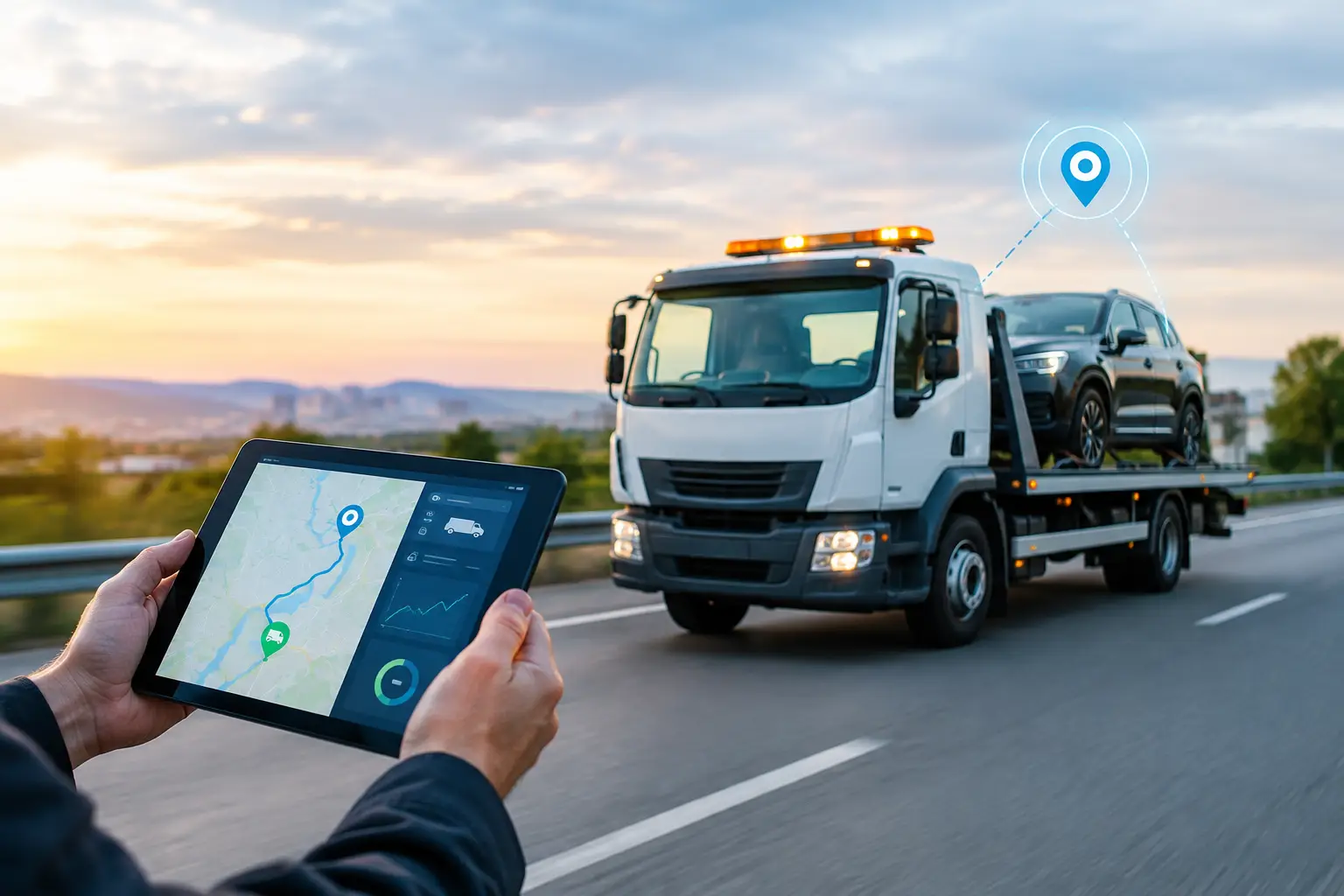
A stalled car on I-10, a dead battery in a Kenner parking lot, or an accident on a rainy New Orleans street creates one urgent question: how quickly can the right help get here? Vehicle telematics gives towing and roadside teams better real-time information to answer that question with less guesswork.
For drivers, the technology should not feel complicated. It should mean a dispatcher can identify the closest suitable truck, send an operator who has the right equipment, track progress, and keep the job moving safely from pickup to drop-off. It does not eliminate traffic, weather, or difficult recovery conditions. But when used well, it helps a professional towing company make smarter decisions when minutes matter.
What Is Vehicle Telematics?
Vehicle telematics is the use of onboard devices, GPS, cellular connections, and software to collect and share vehicle information. In a towing fleet, that information can include a truck's location, route, speed, idle time, engine status, and sometimes diagnostic alerts.
The most visible benefit is GPS location. Dispatch can see which tow truck is near a stranded driver instead of calling several operators to determine where they are. The less obvious benefit is matching the assignment to the equipment. A flatbed, wheel-lift, medium-duty truck, or roadside service vehicle is not interchangeable. Sending the closest truck only helps if it is also the correct truck for the vehicle and situation.
Telematics can also support documentation. Time-stamped locations, route records, and service status updates give a towing business a clearer operational record. For customers, that can mean more accurate arrival expectations and fewer vague updates while they are waiting on the shoulder or outside a closed business.
How Vehicle Telematics Improves Towing Response
A fast response is not just about driving faster. It starts with dispatch making the right call the first time. When a service request comes in, the dispatcher needs to consider the driver's location, vehicle type, condition of the vehicle, destination, and hazards at the scene.
If a customer needs a jump-start, the nearest qualified roadside technician may be the best option. If an all-wheel-drive SUV needs transport after a breakdown, a flatbed may be the safer choice. If a box truck is disabled, the job may require medium-duty capability. Fleet visibility makes those decisions quicker because dispatch is working from live vehicle positions and job status rather than assumptions.
Better arrival estimates, not false promises
A map can show distance, but distance is only one part of an arrival time. New Orleans-area traffic, rail crossings, bridge congestion, construction, flooding, event traffic, and weather can change a route quickly. Telematics gives dispatch a better starting point to estimate an arrival window and reroute an operator when conditions change.
That said, no responsible provider should promise an exact minute in every emergency. A serious crash, police-controlled scene, blocked roadway, or severe storm can delay any truck. The value of telematics is not magic speed. It is clearer communication and fewer avoidable delays.
Fewer missed details at dispatch
The technology works best alongside a good intake process. Drivers should be ready to share their exact location, a nearby landmark or cross street, the vehicle's make and model, whether it is in a safe place, and what happened. If the vehicle is in a garage, has a flat tire, is locked, will not shift into neutral, or has collision damage, say so before dispatch sends a truck.
Those details help the dispatcher use telematics properly. The system may show the closest available unit, while the service information confirms whether that unit can complete the job safely. This is especially important for motorcycles, EVs, low-clearance cars, trucks, RVs, and vehicles with drivetrain damage.
Safer Fleet Operations Behind the Scenes
Towing has risks that many drivers never see. Operators work beside moving traffic, load disabled vehicles in poor weather, navigate tight lots, and transport customer vehicles through busy streets and highways. Vehicle telematics can support safer habits across each stage of that work.
For example, fleet managers can review speeding events, harsh braking, sharp turns, extended idling, and route patterns. The point should be coaching and prevention, not simply monitoring people. A trained operator still uses judgment at the scene, but data can identify patterns that deserve attention before they lead to an incident.
Maintenance is another major factor. A tow truck that has an engine warning, battery issue, or maintenance need is not just inconvenient. It can delay a customer and create a safety concern during a time-sensitive call. Diagnostic alerts can help a fleet schedule maintenance before a problem sidelines a truck during a busy shift.
There is a practical limit here. Telematics cannot inspect straps, replace daily walk-around checks, or make an unsafe recovery safe. Professional operators still need proper training, the right equipment, and the discipline to decline shortcuts. Technology supports safe service. It does not replace it.
Protecting Your Vehicle During Transport
When you call for a tow, your priority is usually simple: get the vehicle moved without additional damage. Telematics contributes indirectly by helping dispatch send the appropriate equipment and helping operators follow planned routes. A better assignment reduces the chance that a light-duty job is handled with the wrong setup or that a special vehicle is treated like a standard sedan.
It can also improve accountability during long-distance hauling. Route and time records provide a more complete picture of the transport process. For a customer moving a vehicle between repair shops, transporting a car after a purchase, or arranging a longer haul, that operational visibility can be reassuring.
Still, secure transport depends most on the loading method and operator skill. A vehicle needs proper tie-down points, careful clearance checks, and the right towing approach for its drivetrain and condition. Ask the towing company what type of truck it plans to send if you have an EV, luxury car, lowered vehicle, motorcycle, or damaged vehicle. Clear questions before loading can prevent expensive mistakes.
Privacy and Data: What Drivers Should Expect
Vehicle telematics raises a fair question: who sees the data? In a towing operation, the fleet company generally uses truck-location and performance data for dispatch, safety, maintenance, and service management. That is different from tracking a customer's personal vehicle after the job is complete.
Customers should still expect a professional provider to handle contact details, pickup addresses, destination information, and payment data responsibly. You do not need a technical explanation during a roadside emergency, but you do deserve straightforward answers if you ask how your information is used.
For fleet operators, good data practices matter too. Access should be limited to people who need it for dispatch, safety, or maintenance. Data should be used to improve service, not create confusion or pressure operators to take unsafe risks to meet a screen-based target.
What This Means When You Need Help Now
The best towing experience combines trained people, well-maintained equipment, clear dispatch, and useful technology. Vehicle telematics helps connect those pieces. It can show which truck is available, guide the route, support a realistic ETA, and help the company keep its fleet ready for the next call.
But the first step still comes from the driver. Move to a safe location if possible, turn on hazard lights, stay away from traffic, and give dispatch accurate details. If you are on a high-speed roadway or feel unsafe, prioritize your safety and follow instructions from emergency responders.
Zain Towing LLC uses a dispatch-focused approach to help drivers in Kenner and the New Orleans area get the right towing or roadside service without unnecessary delay. When you need help, call for 24/7 service, explain your location and vehicle condition clearly, and let a trained operator handle the transport safely.
A good dispatch system gets help moving. A good towing team makes sure that help arrives prepared.
Need help right now?
Zain Towing runs 24/7 in Kenner, New Orleans, Metairie, Harahan and Gretna. Call (504) 666-9099 or see our towing service, roadside assistance and New Orleans pages.