
How to Document Vehicle Accident Damage Fast
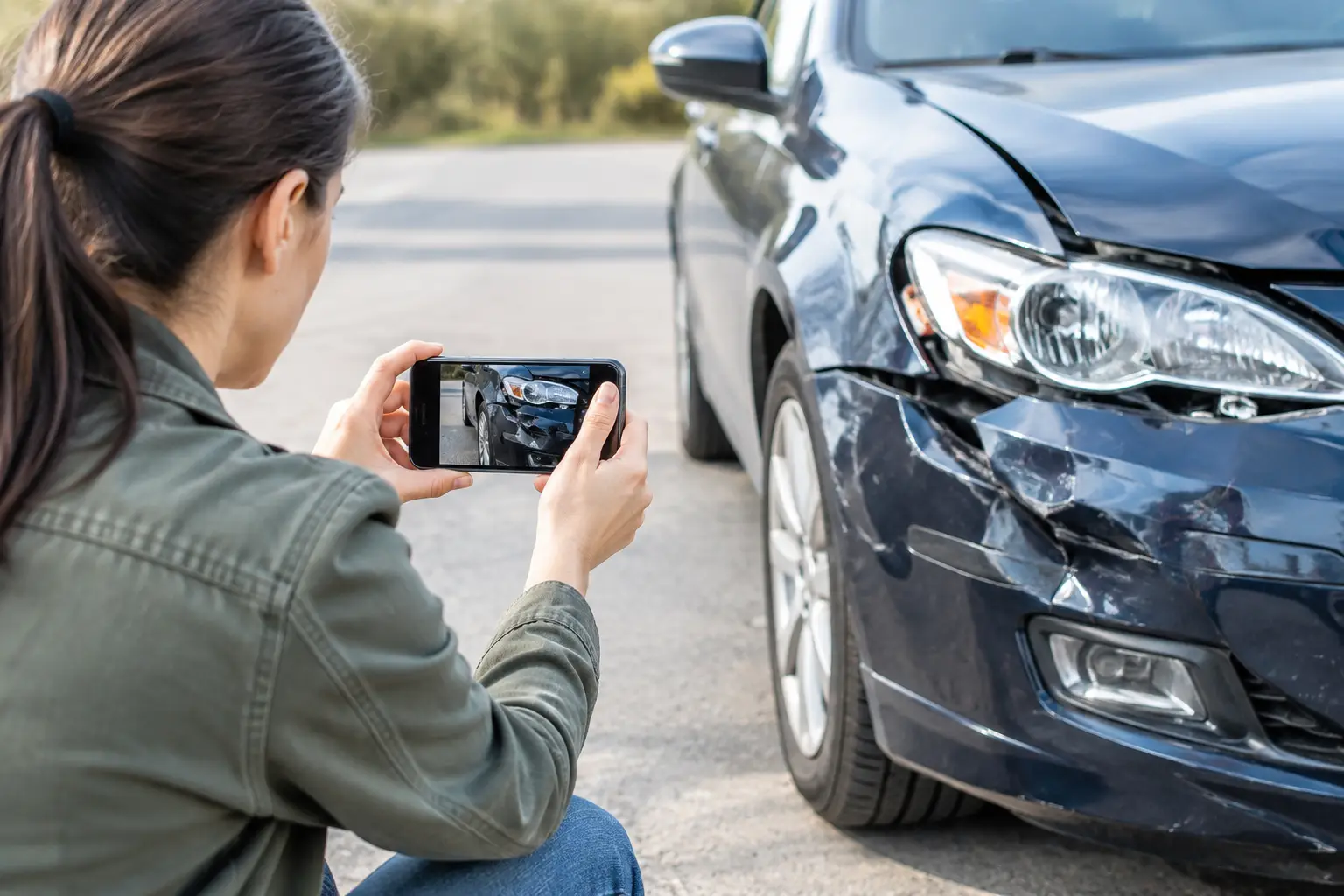
A crash can leave you shaken, stuck in traffic, and unsure what to do first. Once everyone is safe and emergency help has been called when needed, take a few focused minutes to document vehicle accident damage. Clear evidence can support an insurance claim, show the vehicle’s condition before towing, and prevent confusion about what happened later.
You do not need to be a mechanic or an accident investigator. You need a safe location, a charged phone, and a methodical approach. Do not put yourself at risk to get the perfect photo. If the vehicle is in an active lane, leaking fluids, smoking, or creating a hazard, move away and wait for police, roadside assistance, or a trained tow operator.
Start With Safety Before You Document Accident Damage
Check yourself, passengers, and anyone else involved for injuries. Call 911 if there are injuries, a fire risk, a blocked roadway, suspected intoxication, or significant damage. In the New Orleans and Kenner area, traffic can move quickly and visibility can be poor during rain, at night, or near busy interchanges. Stand in a safe place well away from moving traffic.
If your vehicle can be moved safely and police have not instructed you to leave it in place, move it out of traffic. Turn on hazard lights. If it cannot be driven without risking more damage, do not force it. A bent wheel, hanging bumper, deployed airbag, leaking fluid, or damaged steering component can turn a minor collision into a more expensive repair.
Once the scene is secure, begin collecting information. The goal is not to prove fault at the roadside. Your job is to preserve an accurate record of the vehicles, the location, and the damage as it appeared right after the crash.
How to Document Vehicle Accident Damage at the Scene
Use your phone camera to capture wide shots before taking close-ups. Start with all sides of your vehicle from several steps back. Include the front, rear, driver side, passenger side, roof if visible, and the surrounding road area. Wide photos establish context, while close-up photos show the details an adjuster or repair shop may need.
Photograph every damaged area from more than one angle. Get close enough to show dents, scrapes, cracked lights, broken glass, paint transfer, loose parts, wheel damage, and fluid leaks. If a panel is pushed inward, take a side-angle photo that shows the depth of the damage. Turn on the flash or use another light source at night, but also take a few photos without flash if glare hides the damage.
Do not forget damage that is easy to miss in the moment. Check the tires, wheels, mirrors, windshield, headlights, taillights, license plates, bumpers, doors, trunk or tailgate, and undercarriage area. If you hear a new noise, see a warning light, or notice that a door will not close correctly, record it in a note or video. Mechanical damage may not be visible in a photo, but your immediate observations still matter.
A short video can be useful. Walk slowly around the vehicle and describe what you see in plain language, such as: the rear bumper is loose, the left taillight is cracked, and the car is leaking liquid below the front end. Keep the video factual. Do not speculate about who caused the crash or make statements you are not certain about.
Capture the Details Around the Crash
Take photos of the other vehicle or vehicles, including their license plates, visible damage, and position if it is safe to do so. Photograph the intersection, lane markings, traffic signs, traffic signals, debris, skid marks, weather conditions, and any road hazard that may be relevant. A photo showing a street sign, nearby business, or mile marker can help establish the exact location.
Exchange the required information with the other driver. Get their name, phone number, insurance company, policy information, driver’s license number if appropriate, vehicle make and model, and license plate number. If there are witnesses, ask for their names and contact information. Witnesses may leave before officers arrive, and their account can become valuable if there is a disagreement later.
If police respond, ask how to obtain the report number or a copy of the report. Keep your own notes as well. Record the date, time, location, weather, direction of travel, and a simple description of what occurred while the details are fresh. Avoid arguing at the scene or accepting blame. Stick to the facts when speaking with law enforcement, insurance representatives, and the other driver.
Document the Vehicle Before It Is Towed
If your vehicle is not safe to drive, towing is often the right call. Before the truck arrives, take one more complete set of photos. This is especially important when there is front-end damage, wheel damage, a low-hanging bumper, or body panels that could shift during transport.
Photograph the vehicle’s overall condition, the odometer, warning lights on the dashboard, and any valuables or personal items still inside. Remove important belongings if it is safe to do so, including your wallet, keys, medications, work equipment, garage opener, and documents with personal information. If the vehicle must go to a repair facility or storage lot, keep the tow receipt and write down where it is being taken.
When the tow operator arrives, point out the visible damage and any concerns you have, such as a locked wheel, a damaged axle, low clearance, or a vehicle that will not shift into neutral. A trained operator can select the safest loading method. For many accident-damaged vehicles, a flatbed is the best option because it keeps all four wheels off the ground and reduces the chance of additional drivetrain or suspension damage.
Ask for the destination to be confirmed before loading begins. It may be a body shop, dealership, your home, or an insurance-approved facility. Make sure you understand whether the vehicle is going directly there or to a storage location first. This avoids an unnecessary second tow and gives you a clear record for your claim.
Keep Your Evidence Organized for Insurance
Photos do the most good when you can find them quickly. Create a folder on your phone labeled with the crash date. Save your pictures, videos, police report number, contact information, tow receipt, repair estimate, and insurance claim number in that folder. Back up the files if possible, especially if your phone is older or damaged in the collision.
Contact your insurer promptly and provide an honest account. Send only clear, original photos when requested. Do not edit images, add filters, or delete files just because one is blurry. Even imperfect photos can help establish timing, weather, vehicle placement, or the condition of a damaged part.
Keep a running record of every related expense and conversation. This may include towing, storage, rental transportation, repairs, medical visits, missed work, and calls with the insurer. Write down the date, the person you spoke with, and what was discussed. Claims can take time, and a simple record reduces the chance of missed details.
When Damage Is Hidden or the Car Seems Drivable
A vehicle can look drivable and still be unsafe. After a collision, do not rely on appearance alone if the steering feels off, the wheel shakes, a tire rubs, the hood will not latch, warning lights appear, or fluids are leaking. Damage behind a bumper cover, under the vehicle, or inside the wheel assembly may not show up in roadside photos.
If the car can move but you are uncertain, choose caution. Driving a few extra miles can worsen a damaged suspension, overheat an engine after a cooling-system leak, or create a tire failure. In some cases, a short local tow is less expensive than a larger repair caused by trying to drive it home.
For drivers who need safe accident recovery in Kenner or New Orleans, Zain Towing can dispatch trained, insured operators 24/7 for careful towing and secure transport. Let the operator know the vehicle condition, whether airbags deployed, and where you need the vehicle delivered so the right equipment can be sent.
Your best evidence is created in the first few minutes after a crash, but your safety comes first every time. Get to a safe location, document what you can without taking risks, and arrange professional towing when the vehicle is not clearly safe to drive.
Need help right now?
Zain Towing runs 24/7 in Kenner, New Orleans, Metairie, Harahan and Gretna. Call (504) 666-9099 or see our towing service, roadside assistance and New Orleans pages.